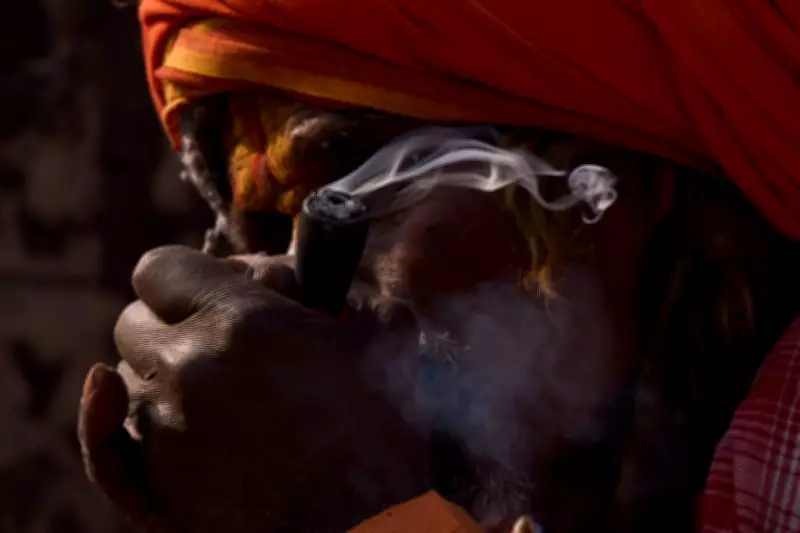
On Sunday, the air in Kathmandu was thick with cannabis smoke as Nepal celebrated one of its largest annual festivals, Shivaratri. Tens of thousands of devotees, including Hindu holy men and mostly young followers, openly puffed on marijuana as part of their worship at the Pashupatinath temple, dedicated to the Hindu god Shiva.
Religious Exceptions to Nepal's Cannabis Ban
Marijuana is typically prohibited in Nepal, with users facing up to a month in prison and traffickers risking sentences of up to ten years. However, exceptions are made during Shivaratri to honor Shiva, who is historically associated with cannabis use and often depicted smoking pot in religious iconography.
Festival Activities and Crowds
Devotees prayed and danced to religious songs at the temple, a significant landmark for Hindus, who make up approximately 81% of Nepal's population. The festival also attracted visitors from neighboring India, adding to the massive crowds in the capital.

Across the Bagmati River from the temple, on the forested Bankali hills, holy men with their bodies smeared in ashes were seen smoking marijuana. Many Nepali men and some women joined in, creating a vivid scene of religious devotion intertwined with cannabis consumption.
Historical Context and Legal Efforts
Nepal was once famous for marijuana and other narcotics in the 1960s, when hippies flocked to the Himalayan nation. At that time, shops and tea houses legally advertised and sold cannabis. However, marijuana was outlawed in 1976, ending this era of legal availability.
In recent years, there have been efforts by campaigners and parliament members to decriminalize marijuana in Nepal, aiming to legalize its farming and use. Despite these initiatives, progress has stalled, leaving the current legal framework largely unchanged except for religious exemptions like those during Shivaratri.
Cultural and Social Implications
The open use of cannabis during Shivaratri highlights the complex relationship between religion, law, and culture in Nepal. While the festival provides a temporary reprieve from strict drug policies, it also sparks ongoing debates about the potential for broader legalization and the role of tradition in modern society.