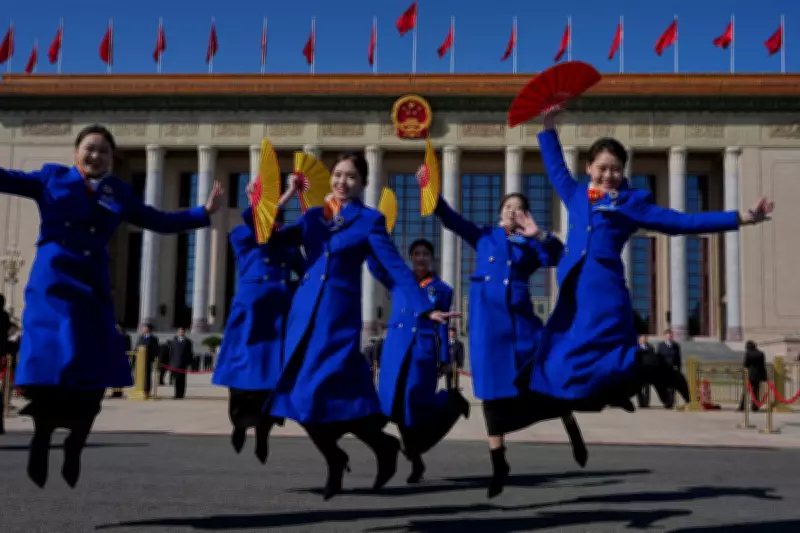
The annual session of China's National People's Congress (NPC) has commenced in Beijing, drawing global attention as the country navigates complex economic headwinds and strategic priorities. This gathering, a cornerstone of China's political calendar, brings together thousands of delegates to deliberate on key policies and legislative amendments that will shape the nation's trajectory in the coming year.
Economic Agenda Takes Centre Stage
Amid slowing growth and international trade frictions, the NPC is expected to prioritise economic stability and innovation-driven development. Discussions are likely to encompass measures to boost domestic consumption, support struggling sectors, and enhance technological self-reliance. The government's work report, traditionally delivered during the session, will outline targets for GDP growth, inflation control, and employment, reflecting a cautious yet proactive approach to sustaining momentum.
Legislative Reforms and Governance
Beyond economic matters, the congress will review and potentially enact new laws aimed at strengthening governance and social cohesion. Topics on the agenda include updates to national security legislation, environmental protections, and digital economy regulations. These reforms underscore China's commitment to aligning its legal framework with evolving domestic and global realities, though critics often highlight the lack of transparency in such processes.

Delegates, representing various regions and sectors, will engage in deliberations that, while largely scripted, offer a platform for airing local concerns and policy feedback. The outcomes of the NPC are typically pre-determined by the ruling Communist Party, yet the session serves as a symbolic demonstration of unity and state-led planning.
Geopolitical Context and Implications
The convening of the NPC occurs against a backdrop of heightened geopolitical tensions, particularly with Western nations over trade, technology, and human rights. Beijing's stance on these issues is anticipated to be reiterated, emphasising sovereignty and non-interference. Observers will closely monitor any shifts in foreign policy rhetoric or initiatives that could impact international relations.
In summary, the National People's Congress in Beijing represents a pivotal moment for China, blending economic pragmatism with political formalism. As delegates debate and endorse policies, the world watches for signals that will influence not only China's domestic landscape but also its role on the global stage.