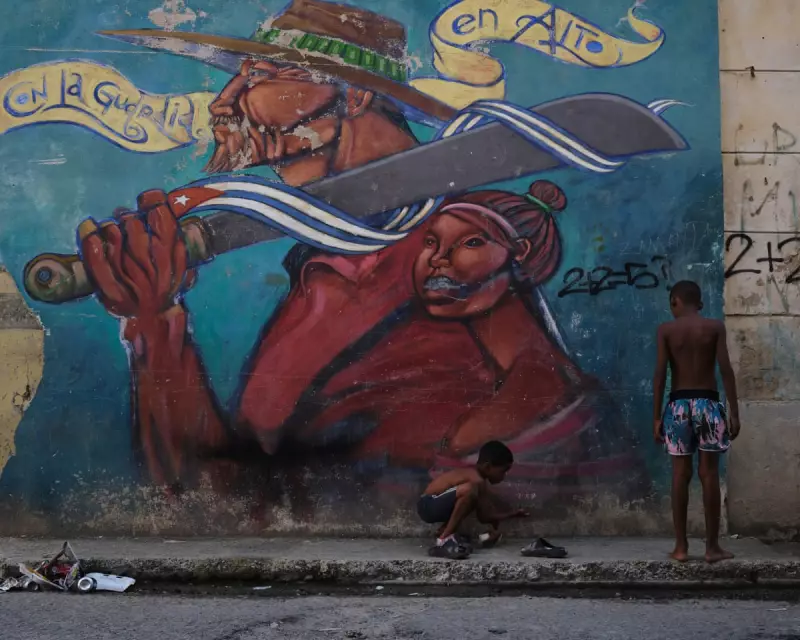
Cuba's Fading Murals Reflect a Society on the Brink
While the iconic murals celebrating the 1959 revolution may be fading across Cuba, the desire for change among many islanders remains strong, with a preference for transformation to originate from within the nation itself. This sentiment persists against a backdrop of severe challenges that have pushed Cuban society to a critical juncture.
A Nation Slipping into Obscurity Amid Multiple Crises
Once a focal point of intense global scrutiny, Cuba has increasingly become an undercovered Caribbean island in recent years, even as its internal situation deteriorates markedly. The country is now confronting what many sources describe as the brink of a humanitarian crisis, characterised by chronic shortages of essential resources like fuel and electricity nationwide.
This is compounded by a succession of other severe crises that have emerged across multiple sectors:

- A profound economic crisis straining the entire population
- Critical failures in the transport infrastructure
- Deteriorating urban sanitation systems
- Significant challenges within the education sector
- A healthcare system under unprecedented pressure
Healthcare System Under Threat and Demographic Collapse
Once celebrated globally as a model for universal access to high-quality healthcare, Cuba now faces the alarming risk of multiple unprecedented epidemics. The nation is vulnerable to outbreaks of diseases including chikungunya, dengue, zika, oropouche and yellow fever, creating a perfect storm of public health threats.
Perhaps most telling of Cuba's dire situation is the dramatic demographic shift underway. Independent demographers estimate the population has now fallen below 8 million people, a significant decline from its peak of 11 million. This mass exodus represents a brain drain of catastrophic proportions, with the island losing much of its most qualified workforce, leaving society exhausted and impoverished.
Six Decades of Embargo and Growing Isolation
After enduring more than 60 years of economic embargo by the United States – representing one of the longest and most draconian sanctions regimes in modern history – Cuba finds itself profoundly shaken. The communist regime faces increasing isolation and threats in an era marked by the return of Monroe doctrine principles and what critics describe as neo-imperialist policies.
As Ricardo Zúñiga, former adviser to Barack Obama on Cuba, has observed, many experts have previously been mistaken in predicting the imminent fall of the Cuban Communist party. The regime has demonstrated remarkable resilience despite numerous declarations of its impending collapse throughout recent decades.
Multiple Pressures Converge on a Precarious Nation
Yet the warning signs remain starkly evident. Whether resulting from decades of sustained US pressure, significant internal policy failures, or increasingly extreme weather events linked to climate change, Cuba stands on a precarious brink. The convergence of these multiple pressures has created what observers describe as an exhausted society watching its future depart through mass emigration.
The international community has largely abandoned the island to its fate, while internally, the fading revolutionary murals serve as poignant metaphors for declining enthusiasm for 1959's ideals. Nevertheless, the persistent desire among many Cubans for internally-driven change suggests complex dynamics at play beneath the surface of apparent crisis and decline.