Displaced Women Forge Path to Security Amid Global Crises
On International Women's Day, celebrated annually on 8 March, a compelling narrative emerges from the world's most volatile regions. British aid organisation ShelterBox has detailed to The Independent how displaced women are not merely victims of conflict but are becoming architects of their own security solutions. From Sudan to Somalia, these women are transforming humanitarian responses with localised, innovative approaches.
The Plight of Displacement in Sudan and Chad
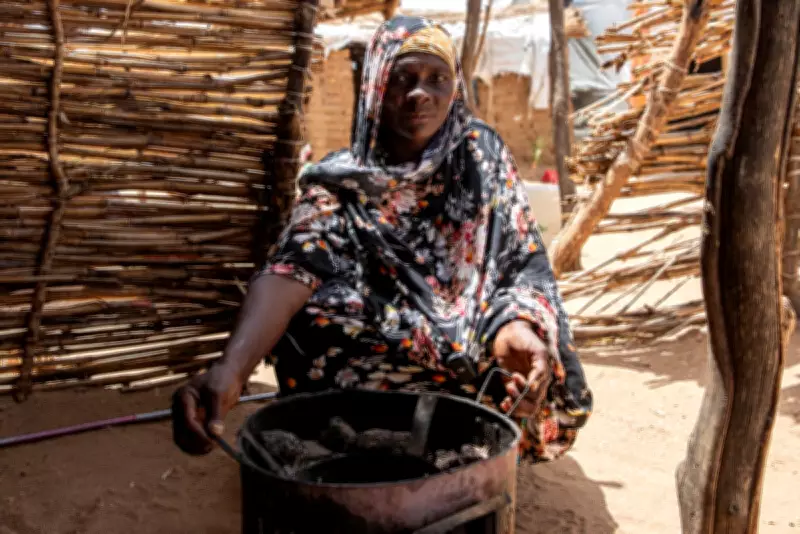
Fatma, a Sudanese farmer and mother, represents one of the 11 million people displaced since civil war erupted in Sudan in 2023. "We left Sudan because of the war," she recounted. "Anyone who stands in the way is simply eliminated. Sudan is the place where we were born and raised. Now, they've forced us out." The conflict has claimed up to 400,000 lives, with civilians enduring targeted violence from all sides.
For women and girls remaining in Sudan, the United Nations reports "widespread and systemic" violence, including rape, abductions, and killings. Those fleeing to neighbouring Chad find little respite, often residing in overcrowded makeshift camps with scant access to essentials like food, water, or healthcare. Over 75% of displaced individuals in Chad report experiencing serious harm, such as physical attacks, theft, and sexual violence.

In Chad, which closed its border with Sudan in late February, displaced women face heightened risks when venturing out for basic necessities like firewood. Fatma described her struggles: "I'm unwell and my eyes hurt, so I can't lift the bundles on my head." As wood supplies diminish, journeys lengthen, increasing exposure to violence.
Innovative Solutions from Women's Cooperatives
Sarah Robinson, ShelterBox's programme manager for Sudan, highlighted the critical role of women in devising practical solutions. "When people are displaced and flee to a country like Chad, where they're looking for safety and security, they're not always finding it," she explained. "Particularly for women and girls, collecting firewood is essential but perilous, opening them up to sexual assault and gender-based violence."
To mitigate this, ShelterBox collaborated with a women's cooperative in N'Djamena, Chad's capital, which designs and manufactures efficient stoves. These stoves burn 70% less wood, reducing the time women spend in hazardous areas. "The fact that we're working with a women's cooperative is really exciting," Ms Robinson added. "They're solving their own problems, knowing the context better than international workers. It's great to support them in growing their business sustainably."
Securing Land and Shelter in Somalia
In Somalia, where around four million people have been displaced by decades of conflict and natural disasters, women and children constitute approximately 80% of refugees. Mel Hughes, ShelterBox programme manager for Somalia, noted the instability faced by displaced women, especially regarding land ownership, which is often communicated orally among men.
"If there isn't a husband around, or if they're displaced into a new area with no male guarantors, they really struggle to have security that the land is indeed theirs," she said. Partnering with the local Juba Foundation, ShelterBox has implemented documentation processes, including thumb-printed and witnessed agreements, to establish proof of ownership. This enables women to invest in their sites confidently.
With secure land, women have co-designed homes resistant to external threats. Ambiya, a 60-year-old living with her four grandchildren in a Baidoa camp, praised shelters reinforced with internal plywood cladding: "The shelter we received has given us security. I can leave to look for work and return home peacefully, knowing our belongings are safe. Our old shelter was only cloth and torn plastic sheets, unsafe and weak. Today, we live with far less worry."
Addressing Risks in Ethiopia
In Ethiopia, over half of the 21 million people needing humanitarian aid are women and girls, facing increased risks of violence and sexual assault as they flee conflict and climate change. In Amhara, 88,000 displaced individuals live in overcrowded camps or outdoors, with poor lighting and security exacerbating dangers like sexual violence and forced marriage.

Abigael Apollo, ShelterBox programme manager for Ethiopia, described a dignity kit developed with affected women, featuring reusable sanitary pads and a whistle. "One girl told us she no longer misses school during her menstrual cycle," Ms Apollo explained. "Women can continue daily routines in displacement settings where healthcare is limited." Future plans focus on involving more women in decision-making, as they best understand their security needs.
A Global Movement for Hope
With an estimated 117 million displaced people worldwide, many endure similar hardships in temporary accommodations lacking stability. ShelterBox's initiatives demonstrate that by centring women's voices in humanitarian efforts, tangible security and hope can be fostered even in the most precarious circumstances. From Chad's stoves to Somalia's land agreements, displaced women are leading the charge in creating safer futures, proving that empowerment is key to effective crisis response.