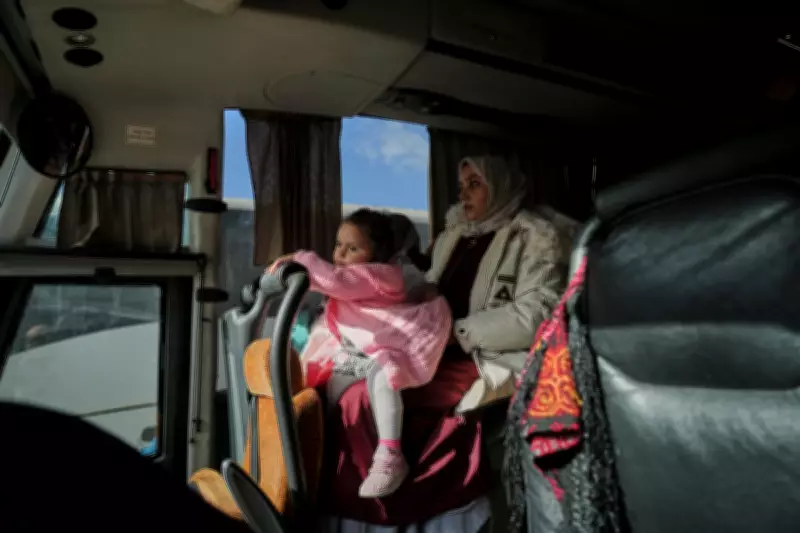
In a development that has sparked significant concern among humanitarian organisations, only five critically ill Palestinians have been permitted to cross into Egypt via the Rafah Crossing for urgent medical treatment since its reopening on Monday. This figure stands in stark contrast to earlier reports indicating that Israel would allow up to 50 patients daily, each accompanied by two relatives, highlighting a severe bottleneck in the evacuation process.
Humanitarian Crisis Deepens in Gaza
The limited number of evacuations comes amid a dire humanitarian situation in Gaza, where over 18,000 injured and wounded individuals, including more than 3,000 children, are awaiting urgent medical attention. The World Health Organisation has confirmed the medical evacuation of these five patients but noted with alarm that many others have tragically died while awaiting such transfers, underscoring the critical need for expanded access.
International Calls for Action
The United Nations and Save the Children have issued urgent appeals to Israel, urging the nation to allow unrestricted movement for Palestinians and facilitate the entry of humanitarian aid in accordance with international law. These organisations stress that the current restrictions are exacerbating the suffering of vulnerable populations, particularly children and those with severe injuries.

Political Context and Statements
Amidst this humanitarian backdrop, former US President Donald Trump has made remarks regarding Gaza, stating that a board of peace can "do pretty much whatever we want." This comment adds a layer of political complexity to the ongoing crisis, though it remains separate from the immediate medical evacuation efforts.
Broader Implications for Gaza's Health System
The slow pace of medical evacuations raises serious questions about the capacity of Gaza's health system to cope with the overwhelming number of casualties. With resources stretched thin and many facilities damaged or overwhelmed, the need for international support and coordinated evacuation plans has never been more pressing.
As the situation continues to evolve, stakeholders are calling for increased transparency and cooperation to ensure that more critically ill patients can receive the life-saving care they desperately need outside of Gaza.