Iranian Death Toll Climbs to 6,159 as Currency Hits Record Low Amid Trump Threats
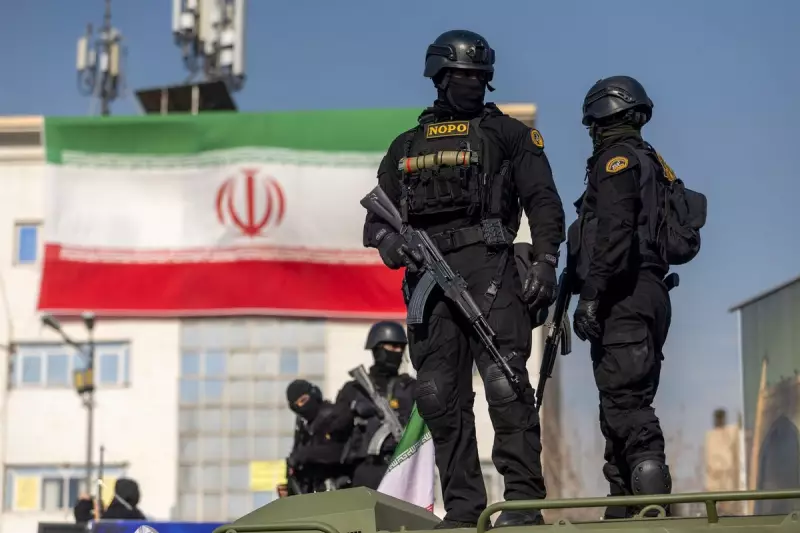
Iran's violent suppression of nationwide protests has resulted in a minimum of 6,159 fatalities, with many more individuals still missing and feared dead, according to activist reports released on Tuesday. The updated death toll emerges as a United States aircraft carrier group arrives in the Middle East, positioning American forces to lead any potential military response to the escalating crisis.
Currency Collapse and Economic Pressure
Simultaneously, Iran's national currency, the rial, has plummeted to an unprecedented low of 1.5 million to the US dollar, reflecting severe economic distress. Exchange shops in Tehran offered this record-low rate on Tuesday, with traders expressing visible anger and declining to comment publicly on the deteriorating situation. This currency collapse compounds existing economic hardships, as everyday goods become increasingly unaffordable for ordinary Iranians.
US Military Positioning and Regional Tensions
The arrival of the USS Abraham Lincoln aircraft carrier, accompanied by guided missile destroyers, provides the United States with significant strike capabilities against Iran. This deployment occurs despite signals from Gulf Arab states that they prefer to remain neutral in any potential conflict, even though they host American military personnel. Private security firm Ambrey assessed on Tuesday that the US has "positioned sufficient military capability to conduct kinetic operations against Iran" while maintaining defensive postures for regional allies.

Ambrey's analysis further suggested that "supporting or avenging Iranian protesters in punitive strikes is assessed as insufficient justification for sustained military conflict," but noted that objectives like degrading Iranian military capabilities could increase the likelihood of limited US intervention.
Detailed Breakdown of Protest Deaths
The new fatality figures originate from the US-based Human Rights Activists News Agency, which has demonstrated accuracy during multiple rounds of unrest in Iran. The organisation verifies each death through an extensive network of activists operating within the country. Their detailed breakdown reveals:
- At least 5,804 protesters killed
- 214 government-affiliated forces deceased
- 92 children among the fatalities
- 49 civilians not participating in demonstrations
- Over 42,200 arrests documented
This death toll significantly exceeds Iranian government estimates of 3,117 fatalities and represents the highest casualty count from protests or unrest in decades, recalling the chaos of Iran's 1979 Islamic Revolution. The Associated Press notes it cannot independently verify these figures due to authorities disrupting internet access and communications.
Iranian Threats and Proxy Militia Posturing
Iran has repeatedly threatened to drag the entire Middle East into war, though its air defenses and military remain weakened following Israel's June offensive. Meanwhile, two Iranian-backed militias in the region have signaled willingness to launch new attacks, potentially backing Iran after President Donald Trump threatened military action over Tehran's crackdown on protesters.
Iran projects regional influence through its "Axis of Resistance" network of proxy militant groups across Gaza, Lebanon, Yemen, Syria, and Iraq. However, this defensive buffer has deteriorated following Israeli targeting of Hamas and Hezbollah during the Gaza war, and the 2024 overthrow of Syria's Bashar Assad, whom Iran previously supported.
International Diplomacy and Accusations
Iran's UN ambassador, Amir Saeid Iravani, told a Security Council meeting that Trump's repeated military threats against Iran are "neither ambiguous nor misinterpreted." He repeated allegations that the US leader incited violence through "armed terrorist groups" supported by the United States and Israel, though provided no evidence for these claims.
Iranian state media continues to blame foreign forces for the protests, as the theocracy struggles to address the country's ailing economy, still constrained by international sanctions related to its nuclear programme.

Economic Measures and Historical Context
The Iranian government has implemented limited measures to address economic pressures, including:
- Restricting subsidised currency rates to combat corruption
- Offering monthly payments equivalent to approximately $7 to most citizens to offset rising costs
Despite these efforts, Iranians have witnessed catastrophic currency devaluation, with the rial falling from 32,000 to the dollar just a decade ago to today's record low, effectively eroding the value of personal savings.
Militia Statements and Regional Uncertainty
Various Iranian-backed militia leaders have issued warnings amid the escalating tensions. Ahmad "Abu Hussein" al-Hamidawi, leader of Iraq's Kataib Hezbollah militia, cautioned that "the war on the Republic will not be a picnic; rather, you will taste the bitterest forms of death." Meanwhile, Hezbollah leader Sheikh Naim Kassem stated his group is preparing for "possible aggression" but declined to specify how they would respond, saying such details would be determined by "the interests that are present" during any conflict.
The protests initially erupted on December 28, triggered by the rial's collapse, and rapidly spread nationwide before meeting violent suppression. The full scale of the crackdown is only now becoming apparent as Iran experiences its most comprehensive internet blackout in history, lasting over two weeks.