Protests across Iran are approaching a critical two-week milestone, persisting despite a severe government crackdown that has seen communications severed and a rising casualty count.
Nationwide Unrest and Escalating Response
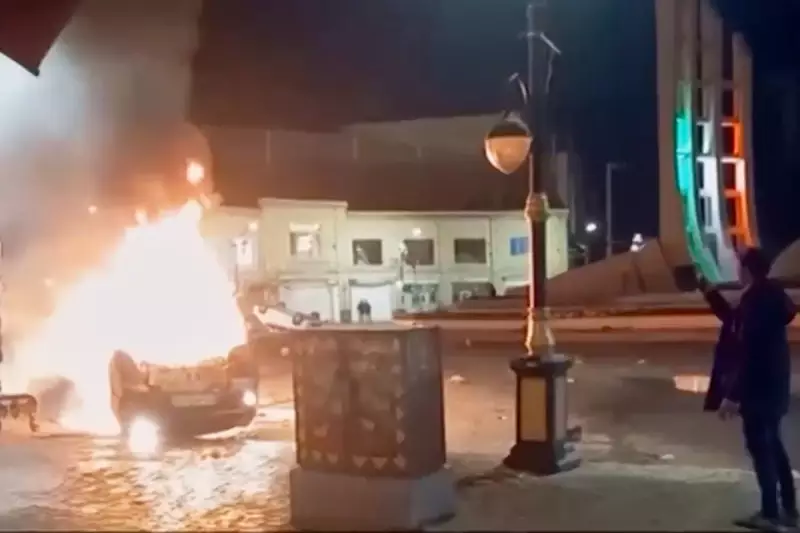
As the working week began in Iran on Saturday, 10 January 2026, the country remained in the grip of widespread demonstrations. The government has acknowledged the ongoing unrest while simultaneously intensifying its efforts to suppress it. The death toll has climbed to at least 65 individuals, with over 2,300 people detained, according to the U.S.-based Human Rights Activists News Agency.
Authorities have severely restricted information flow, cutting off internet access and international phone lines since Thursday. This has made verifying events from outside the country exceptionally challenging. While state television broadcasts claim control and report on security force casualties, verified footage tells a different story.

Contradictory Narratives and Violence
Iranian state TV aired pro-government rallies accompanied by martial music, while anchors reported that "peace prevailed in most cities." However, this was directly contradicted by online video verified by The Associated Press, which showed significant demonstrations in Tehran's Saadat Abad area, with crowds chanting "Death to Khamenei!"
The semiofficial Fars news agency released surveillance footage from Isfahan purportedly showing a protester firing a long gun and others attacking a government compound with petrol bombs. State-associated media also reported the deaths of three Basij force members in Gachsaran, a security official stabbed in Hamadan, and police officers killed in Bandar Abbas and Gilan.
International Reactions and Roots of Discontent
The United States has voiced strong support for the protesters. U.S. Secretary of State Marco Rubio stated, "The United States supports the brave people of Iran," while the State Department issued a separate warning directed at the Iranian regime. Supreme Leader Ayatollah Ali Khamenei has signalled an impending further clampdown, disregarding these international warnings.
The protests, which began on 28 December, were initially sparked by the catastrophic collapse of the Iranian rial, which now trades at over 1.4 million to the US dollar. The economic crisis, exacerbated by international sanctions linked to Iran's nuclear programme, has fuelled broader anger. Demonstrations have since evolved into direct challenges against the country's theocratic rule.
Symbols of dissent have emerged, including the display of the old lion-and-sun flag from the shah's era, promoted by exiled Crown Prince Reza Pahlavi. The iconic protest song from the Iran-Iraq war has been repurposed by women cutting their hair in remembrance of Mahsa Amini, whose 2022 death ignited a previous wave of unrest. With further demonstrations called for the weekend, the standoff shows no signs of abating.