Iranian Regime Targets Medical and Legal Professionals for Supporting Protesters
In the aftermath of Iran's violent suppression of anti-government demonstrations, medical doctors and legal professionals are facing systematic persecution from the Islamic regime for providing assistance to protesters. The Independent has gathered firsthand accounts from practitioners who risk their lives daily to treat the wounded and defend the detained.
Medical Professionals Under Surveillance and Attack
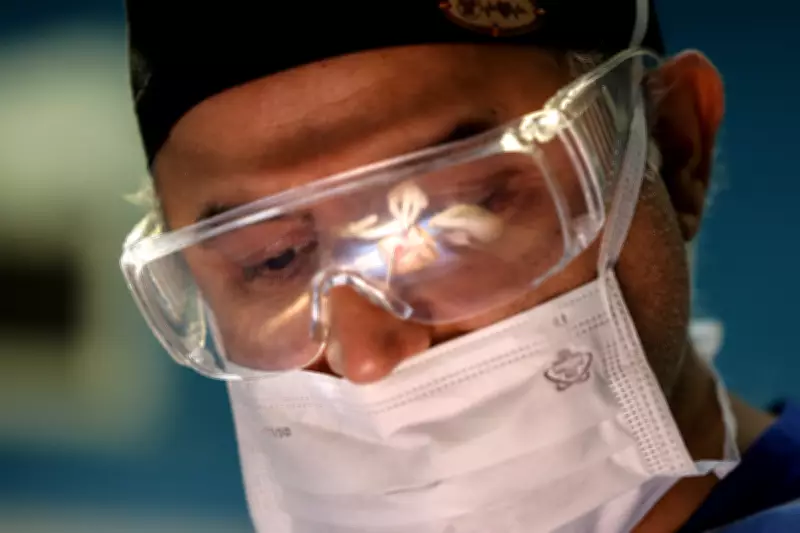
Amir*, a physician operating a private clinic near Tehran, describes a chilling encounter with a regime operative who infiltrated his medical facility posing as a patient. During a night shift following the deadliest periods of protest activity, the interrogator questioned Amir about his whereabouts on January 8 and 9 - dates that have become infamous for the regime's lethal response to demonstrations.
"I dodged the questions as much as I could," Amir reveals. "I think he was there to scare me more than to gather information because I think they have the information."

Despite the intimidation, Amir had indeed been working during those critical hours. He recounts hearing reports of security forces firing live ammunition at protesters around 9 PM on January 8 and immediately rushing to his clinic to support colleagues. Over that fateful weekend, Amir witnessed approximately 30 deaths in his facility and treated between 120 to 150 gunshot wounds, losing exact count amid the chaos of blood and bullet injuries.
Inadequate Facilities for Warzone-Level Injuries
The medical challenges were compounded by the clinic's limited resources. As a general practitioner's facility, it lacked equipment suitable for treating the severe trauma typically seen in combat zones.
"There's nothing I can do for a punctured lung or a gunshot that has broken the forehead," Amir explains, detailing how patients presented with multiple shots to critical areas including the neck, abdomen, and hands. The victims ranged from a 12-year-old boy shot in the testicles to a 77-year-old man struck in the chest.
While treating these injuries, the clinic itself came under direct attack from security forces. "They shot tear gas at us. They shot at the doorway of the clinic repeatedly both nights," Amir reports. Outside the facility, he observed two bodies of individuals who had been shot, but medical staff couldn't approach them for fear of sniper fire.
Widespread Casualties and Underground Medical Networks
Based on conversations with colleagues across multiple hospitals, Amir estimates that 400 to 500 people were killed in his city alone during the two most violent nights of protests. This figure starkly contrasts with the regime's official death toll of 3,117 reported on state television. A network of doctors within Iran suggests the national death count could exceed 30,000 individuals.
Despite personal danger, Amir has been distributing his mobile number through trusted channels to ensure the injured can access medical assistance. This underground network operates alongside official medical facilities that many protesters avoid due to fear of detection.
A radiologist working in both private practice and a military hospital confirms this pattern: "Many of the injured people did not go to hospitals out of fear." He knows of at least one person who died from injuries at home rather than seeking hospital treatment.
Legal Professionals Similarly Targeted
The persecution extends beyond medical circles to legal professionals attempting to defend those arrested during the protests. According to exiled Iranian lawyer Marzieh Mohebbi, the regime prohibits independent legal representation for the estimated 42,000 detainees.
"Virtually all principles of fair trial have been eliminated," Mohebbi states regarding judicial proceedings facing protesters who survive detention. The targeting of lawyers has turned deadly, with at least one attorney dying in police custody according to the Iran Human Rights Documentation Center.

Advanced Surveillance and International Context
The regime's ability to identify and target those involved in protest activities is enhanced by sophisticated surveillance technology imported from China and Russia, as documented by British human rights organization Article 19. This includes facial recognition systems originally developed for monitoring Uyghur populations in western China and censorship hardware that enabled Iran to completely disconnect its 93 million citizens from the internet during critical periods.
The situation unfolds against a backdrop of heightened international tensions. During the inaugural Board of Peace meeting on February 19, former US President Donald Trump indicated he would decide within ten days whether to authorize strikes against Iran, echoing similar statements made before joining Israel's bombing campaign against Iranian nuclear sites in June 2025.
The Human Toll Beyond Statistics
For medical professionals like Amir, the psychological impact extends beyond treating physical wounds. He describes another unsettling encounter with a regime gunman who requested medical leave because his finger was trembling on the trigger.
"What I could see in front of me wasn't a fascist, orthodox Islamist, or defender of the Iranian government. I saw a hollow person, and this scares me a lot," Amir reflects, his voice trembling as he recounts the interaction.
Despite the pervasive fear, Amir has reached a point where consequences no longer deter him: "Our problem is not fear. Our problem is hope. People are already dead and are dying now. The question is: for what?"
*Names have been altered to protect sources who requested anonymity due to legitimate fears of reprisals from the Iranian regime.