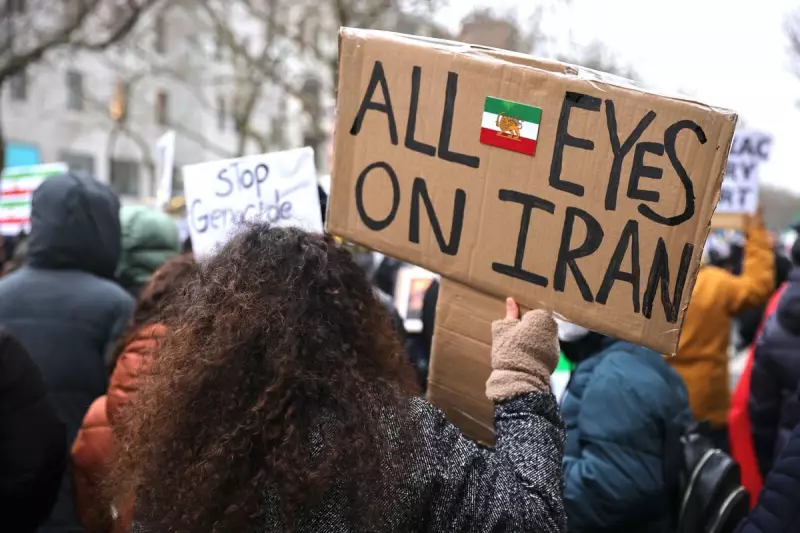
Iran has delivered a stark warning to the United States following former President Donald Trump's latest round of military threats and the deployment of a significant naval force to the Middle East. The Islamic Republic's mission to the United Nations declared that while it remains open to diplomatic discussions, any provocation would trigger an unprecedented defensive response.
Iran's Firm Stance on Dialogue and Defence
In a statement posted on the social media platform X, Iran's UN mission asserted, "Iran stands ready for dialogue based on mutual respect and interests—BUT IF PUSHED, IT WILL DEFEND ITSELF AND RESPOND LIKE NEVER BEFORE!" This chilling declaration underscores Tehran's dual approach of maintaining diplomatic channels while preparing for potential conflict.
Trump's Military Buildup and Nuclear Focus
The Iranian response comes directly after Trump announced the movement of what he described as a "massive armada" towards the region, including the warship USS Abraham Lincoln. This deployment follows Trump's threats of military strikes against Iran, which he linked to the country's internal crackdown on protesters.

Trump's recent communications have increasingly focused on Iran's nuclear ambitions. Earlier on Wednesday, he posted, "Hopefully Iran will quickly 'Come to the Table' and negotiate a fair and equitable deal - NO NUCLEAR WEAPONS - one that is good for all parties." This indicates a strategic shift towards prioritising nuclear non-proliferation in his administration's Iran policy.
Adviser Warns of War Consequences
Adding to the escalating tensions, Ali Shamkhani, a senior adviser to Iran's Supreme Leader, issued a grave warning regarding potential US military action. He stated unequivocally that any American military intervention would be considered the "beginning of a war." This position reflects Iran's readiness to interpret aggressive moves as acts of war rather than isolated incidents.
Broader Implications for Middle East Stability
The exchange highlights the fragile state of US-Iran relations and the potential for rapid escalation in the region. Several key factors contribute to this volatile situation:
- The substantial US naval presence near Iranian waters creates a high-risk environment for miscalculation.
- Iran's insistence on mutual respect in dialogue suggests previous negotiations may have lacked this foundation.
- The explicit connection between protest suppression and military threats introduces human rights dimensions to security discussions.
- Nuclear negotiations remain central, with both sides positioning themselves for potential talks under heightened military pressure.
This developing situation requires careful monitoring as diplomatic statements and military posturing continue to shape the prospects for conflict or resolution in one of the world's most strategically important regions.