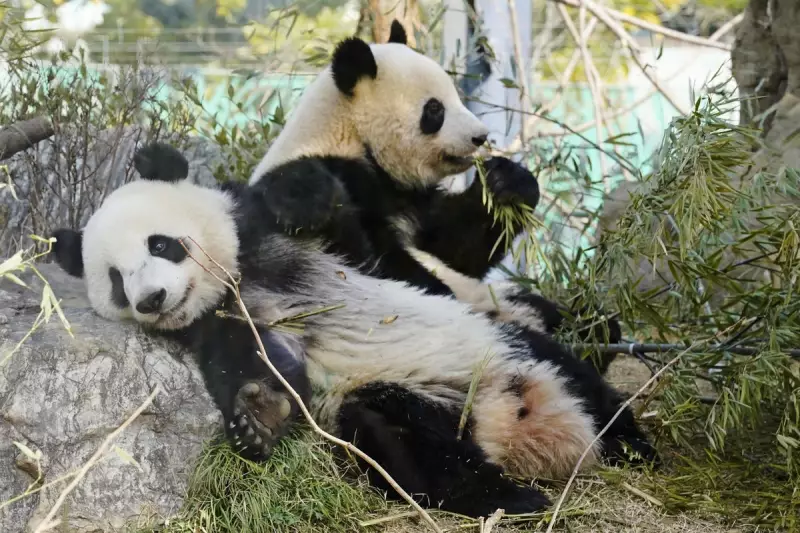
Hundreds of devoted panda enthusiasts gathered at Tokyo's Ueno Zoo on Tuesday to bid an emotional farewell to Japan's last remaining giant pandas, the four-year-old twins Xiao Xiao and Lei Lei. The pair departed for China, marking the first time in over fifty years that Japan will be without these iconic black-and-white bears.
An Emotional Send-Off for Beloved Icons
Braving the winter chill, spectators donned panda hats and waved flags as they raised their smartphones to capture the poignant moment. A truck carrying the zoo's star attractions left for Narita Airport, destined for a breeding facility in China. The twins, born at Ueno Zoo in June 2021, have been its primary attraction since their parents departed in 2024.
Yutaka Fukuda, director of Ueno Zoo, expressed profoundly mixed emotions regarding the departure. "Xiao Xiao and Lei Lei have been beloved by so many people, and so my feelings are complicated," he stated. "I feel gratitude and also anticipation at the possibility of future breeding endeavours, but I also feel sadness at their departure."

A Legacy of Panda Diplomacy
Giant pandas first arrived in Japan from China in 1972, following the normalisation of diplomatic relations between the two nations. The cuddly bears immediately captured Japanese hearts, with a dozen successors becoming national celebrities over the decades. Native to China, giant pandas are typically loaned out under agreements that see them return home when the term ends, with cubs born overseas being no exception.
China has a long history of utilising panda diplomacy, loaning the animals to reward allies and sometimes recalling them to express diplomatic displeasure. While this relocation had been planned, it occurs against a backdrop of significantly deteriorating China-Japan relations in recent months.
Diplomatic Tensions Cast a Shadow
The pandas' exit is being viewed through the lens of current geopolitical strains. In November, Japanese Prime Minister Sanae Takaichi remarked that a hypothetical Chinese attack on Taiwan could precipitate a Japanese military response. This statement triggered a furious response from Beijing, which considers the democratically governed island its own territory.
When questioned about the potential for China to send new pandas to Japan, Chinese Foreign Ministry spokesperson Guo Jiakun offered a measured response. "I know giant pandas are loved by many in Japan, and we welcome Japanese friends to come visit them in China," he said, leaving the future of panda loans uncertain.
The departure of Xiao Xiao and Lei Lei not only closes a significant chapter in Japan's cultural and zoological history but also serves as a symbolic reminder of the fragile state of diplomatic ties between two of Asia's major powers.