Kyiv's Cold Crisis: Russia's Energy War Leaves Thousands Freezing
In Kyiv's Troieshchina district, Natalya Pavlovna watches her two-year-old son, Danylo, play with Lego inside a warm emergency tent. Outside, temperatures plummet to -18°C, with bright sunshine and snow covering the city. This shelter, located on the left bank of the Dnipro River, offers a brief respite from the cold for families like Natalya's, who are among thousands in the Ukrainian capital without power or heating due to relentless Russian attacks on energy infrastructure.
Russia's deliberate targeting of substations, thermal power plants, and rescue workers has intensified in recent weeks, overwhelming Kyiv's air defences and coinciding with one of the coldest winters in decades. Ballistic missiles have flattened key facilities like the Darnytska combined heat and power plant, leading to capital-wide blackouts that restrict electricity to just three or four hours daily.
Humanitarian Impact and Desperate Measures
Natalya draws a chilling parallel between Vladimir Putin's aerial campaign and the 1932-33 famine in Soviet Ukraine, describing it as a form of genocide aimed at forcing capitulation. "Putin wants to do to Kyiv what he did to Mariupol," she says, noting that many in the capital have fled fighting elsewhere only to face freezing conditions.

The crisis has disrupted education, with 45% of Kyiv's schools closed due to lack of heating. Toby Fricker, a Unicef spokesperson, highlights the social isolation faced by children and teenagers. Meanwhile, residents resort to ingenious hacks: using power banks, camping gear, gas cylinders, and even heating bricks over stoves to stay warm. Some have erected tents inside their living rooms, while cafes and state emergency shelters provide temporary refuge.
Personal Stories of Resilience
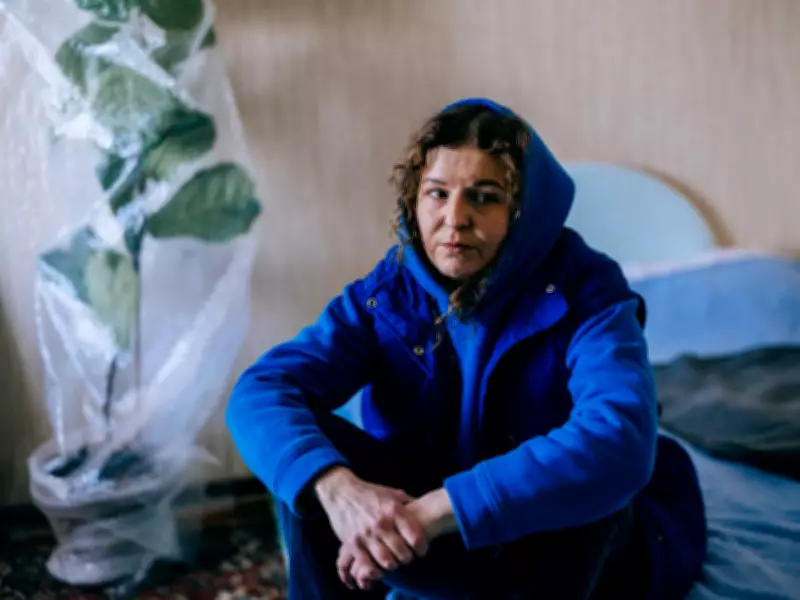
Julia Po, an artist from Kyiv's Dniprovskyi neighbourhood, showcases her seventh-floor apartment, where she insulates doors and plants with bubble wrap to combat drafts. With no electricity, lights, or working lifts, and frozen pipes causing floods, she sleeps under two blankets in thermal wear. "It's as if someone has stolen my home," she reflects, having fled Russian-occupied Crimea.
Others, like Natasha Naboka, share beds with family and pets to conserve heat, leaving food on balconies as fridges fail. Her husband, a soldier in Kharkiv oblast, faces similar struggles. Despite criticisms of local authorities, Naboka blames Russia directly: "This is all about the jealousy and unhealthy ambition of one man."
Broader Crisis and Calls for Aid
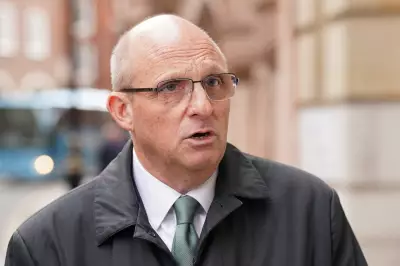
Maksym Timchenko, head of energy provider DTEK, warns that 80% of Ukraine's power generation capacity has been wiped out, pushing the country into survival mode. He urges international support for air defences and an energy ceasefire, though brief pauses have been broken by resumed bombings. DTEK engineer Oleh Yaruta describes the overloaded power grid and ongoing repairs, labeling Russians as "devils and orcs" for their relentless attacks.
As some areas see temporary power returns, the humanitarian toll mounts: at least 10 hypothermia deaths and 1,469 hospitalizations reported. The crisis underscores a grim reality for Kyiv residents, who endure freezing homes in a 21st-century war zone, clinging to resilience amid ongoing devastation.