Leaked Mortuary Photographs Expose Scale of Iran's Violent Protest Crackdown
Disturbing photographs leaked from a mortuary in southern Tehran have revealed the faces of hundreds of people killed during Iran's violent crackdown on nationwide protests, according to a BBC investigation. The images, which are too graphic to display without blurring, show bloodied, swollen and bruised faces photographed and displayed in what is believed to be one of the only ways families have been able to identify their dead loved ones following the Islamic Republic's brutal response to citizen demonstrations.
Hundreds of Unidentified Victims Documented
BBC Verify identified at least 326 victims in the photographs, including 18 women, from an analysis of 392 close-up images taken inside the Kahrizak Foreign Medical Centre. Shockingly, as many as 69 individuals had been labelled in Persian as John or Jane Doe, indicating their identity remained unknown when the photographs were taken. Many victims were reportedly so severely disfigured that identification proved impossible.
Only 28 victims had labels with clearly visible names in the photographs, highlighting the systematic difficulties families face in locating missing relatives. More than 100 victims had labels showing they died on 9 January, which is believed to have been one of the deadliest nights for protesters in Tehran during the ongoing unrest.
Victims Span All Age Groups
A source speaking to BBC Verify revealed that victims as young as 12 or 13 years old, and as elderly as 70, could be seen within the mortuary complex. This broad age range underscores how the crackdown has affected Iranian citizens across generations.
Footage smuggled out of Iran and verified by media outlets shows that girls as young as 16 have been killed in the violent government response, with distraught families searching among body bags in southern Tehran for their loved ones. Hundreds of bodies were reportedly counted at the Kahrizak morgue where men and women continue to search among corpses for family and friends.
International Tensions Escalate
The revelations come amid escalating tensions between Iran and the United States. US President Donald Trump issued another stark warning to the regime on Tuesday, stating that continued assassination threats made by leaders in Tehran would be met with the country getting "blown up." Iran has responded with its own threats, with General Abolfazl Shekarchi, a spokesman for Iran's armed forces, warning that any aggression toward their leader would be met with severe retaliation.
Information Blackout and Smuggled Reports
Almost two weeks have passed since Iran imposed a national internet blackout, a move that internet freedom watchdog Netblocks says helps to hide atrocities. Despite this, a small number of people have managed to get information out, with these leaked photographs providing a chilling snapshot of the thousands believed to have been killed by Tehran's regime.
Messages sent via Starlink by protesters within Iran, seen by Independent Persian, describe a "war-like situation" ongoing in the country. Amirhossein, a 35-year-old private-sector employee from Mashhad, told the outlet: "This is no longer a protest – it's a war. The security forces are firing directly. No warning shots, no announcements."
Human Rights Organisations Condemn Treatment
Hengaw, an organisation covering human rights violations in Iran, stated: "What we are seeing in these leaked images is not only the scale of killing, but the deliberate stripping of dignity from the dead and the living alike. Families are forced to search among hundreds of bodies, examining the remains of people brutally killed one by one in order to identify their own loved ones."
The organisation added that this process often occurs "in conditions designed to intimidate and silence them and without the right to mourn publicly or hold proper funerals," describing it as "a form of collective punishment."
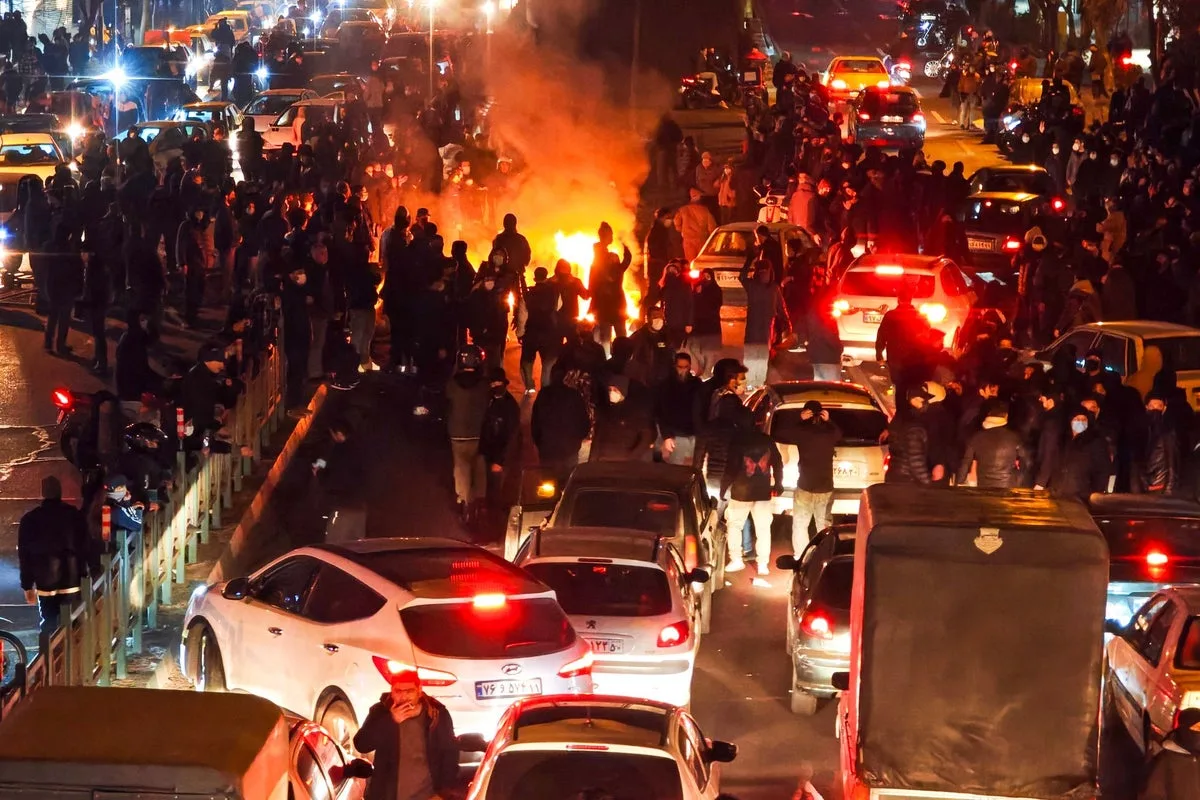
Hundreds of thousands of people have taken to the streets in Iran to demonstrate against Ayatollah Ali Khamenei's regime as the country's economic crisis deepens. The nationwide protests, which began in December, have been encouraged by Reza Pahlavi, the exiled son of the late shah, creating one of the most significant challenges to Iran's leadership in recent years.