Lebanon's Hermel Compound Highlights Lingering Post-Assad Tensions and Sectarian Fears
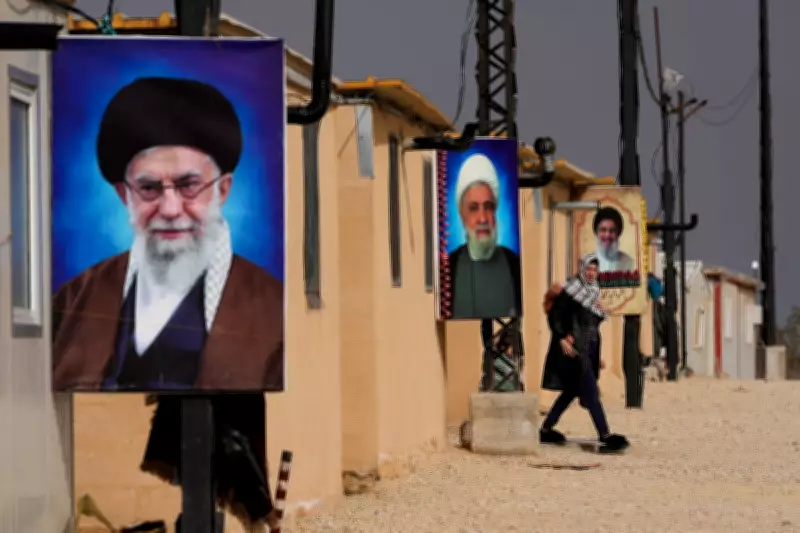
A walled compound in northeastern Lebanon, housing hundreds of Shiite refugees who fled Syria following the fall of Bashar Assad, has become a focal point for allegations and denials regarding lingering loyalties to the former regime. The Imam Ali Housing Compound in Hermel town, situated along the Syrian border, has drawn significant attention from both media outlets and Lebanese authorities, revealing the deep sensitivities surrounding Syria's transformation after its prolonged civil conflict.
Allegations and Army Investigations
The compound, consisting of 228 housing units, has faced persistent claims that its residents are Assad loyalists conspiring against Syria's new Sunni Islamist rulers. These allegations have prompted multiple raids by the Lebanese army, which subsequently announced it found no evidence of illegal armed activities during its latest sweep last month. Despite these official findings, suspicions continue to circulate, with some critics suggesting the Iran-backed Hezbollah group might be using the facility to recruit fighters following substantial losses in its recent conflict with Israel.
Ghada Ayoub, a legislator with the anti-Hezbollah Lebanese Forces Party, has formally questioned the government about the compound's construction without state supervision by what she described as an armed group in a sensitive border region. Ayoub confirmed this week that she has received no response to her inquiries and plans to pursue the matter further, underscoring the political dimensions of the situation.

Residents' Stories and Denials
The residents, who are predominantly Shiite Muslims including many Lebanese families who had lived for generations in Syrian border villages, strongly reject the allegations. Syrian citizen Mohammed Assoura, 57, who moved into the compound with his wife in October after months of precarious sheltering, challenged the accusations directly. Do I look like a fuloul of the regime? asked Assoura, using the Arabic term for remnants widely applied to Assad loyalists.
Assoura described fleeing to Lebanon on a motorcycle after receiving warnings from relatives about Assad's overthrow, fearing retaliatory attacks against anyone perceived as supporting the former government or Hezbollah. His current circumstances reflect the compound's role as a refuge for those unable to afford rent, with residents relying on aid from local nongovernmental organizations while hoping for eventual return to Syria.
Broader Refugee Context and Compound Origins
The Hermel compound exists within a larger context of significant population displacement. Following Assad's fall in December 2024, which ended 54 years of Assad family rule, approximately 50,000 people fled to Hermel within hours, doubling the town's population temporarily. While Syria's civil war created over 5 million refugees with Lebanon hosting an estimated 1.5 million, recent months have seen new refugee influxes primarily consisting of Shiites and members of Syria's minority Alawite sect following sectarian violence.
Hermel Mayor Ali Taha explained that the compound concept emerged when classes resumed, creating urgency to clear refugees from schools. The municipality-owned land received funding from Shiite religious institutions in Iraq and Iran to construct the housing units. Taha firmly denied any conspiratorial use of the facility, stating such activities would not be in the interest of the border region and dismissing allegations as politically motivated.
Daily Life and Continued Uncertainties
For residents like Maha al-Abeer, a Syrian widow from the border town of Qusair, the compound represents stability compared to previous shelters. Thank God we are sheltered. It's better than staying in tents and mosques, said al-Abeer, who has opened a grocery shop to support her five children while denying allegations about the camp's purpose. Her hometown of Qusair holds particular significance as the site of Hezbollah's first public involvement in Syria's conflict in 2013, which intensified anti-Shiite sentiments among Syria's Sunni majority.

Elderly residents Shayban Midlij, 73, and his wife Ihasn, 70, who fled their farming life in Fadlieh village fearing reprisals by Sunni gunmen, now share a unit with their daughter and three grandchildren. Before moving here we were at a Shiite mosque. It was like hell, recalled Ihasn, describing overcrowded conditions where illnesses spread easily. She emphatically rejected suggestions of pro-Assad elements among residents, stating simply: We are all old people waiting to die and be buried.
The United Nations refugee agency has confirmed it maintains no presence at the camp and possesses no information about internal activities, leaving the compound's narrative largely shaped by competing claims and denials that reflect broader regional tensions.