In a significant move marking the traditional new year celebrations, Myanmar's government has granted amnesty to more than 4,500 prisoners, with additional inmates receiving sentence reductions under a presidential pardon order. State-run media confirmed the development on Friday, April 17, 2026, though the identities of those being released were not immediately disclosed.
Prisoner Release Details and Conditions
According to official reports from state-run MRTV television, a total of 4,335 prisoners were pardoned outright, while nearly 180 foreigners are set to be released and subsequently deported. The amnesty includes strict conditions: if any freed individuals reoffend, they will be required to serve the remainder of their original sentences in addition to any new penalties imposed.
A separate report outlined comprehensive sentence reductions across the board. Death sentences have been commuted to life imprisonment, life sentences have been reduced to 40 years, and prison terms of less than 40 years have been cut by one-sixth. Under this measure, former leader Aung San Suu Kyi's 27-year sentence would be reduced by approximately four and a half years, though there was no confirmation of her release.

Political Context and Uncertainty
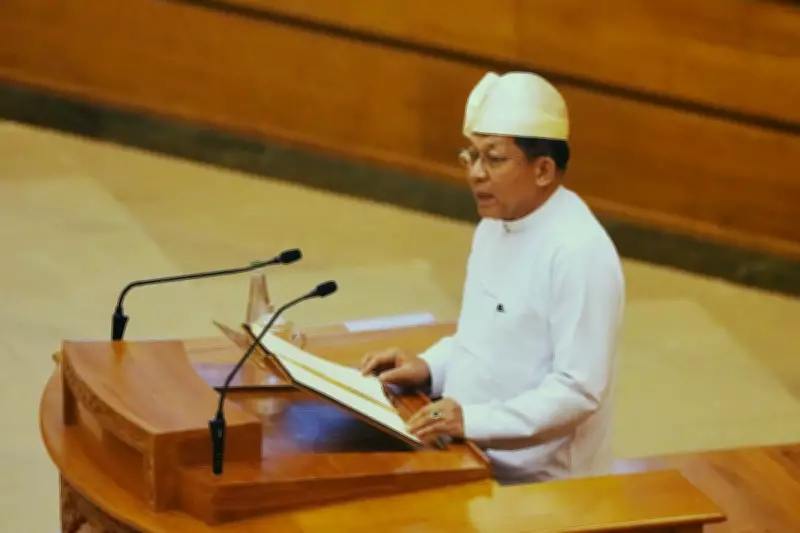
The amnesty arrives just one week after President Min Aung Hlaing was sworn into office following an election widely criticized by opponents as neither free nor fair, allegedly orchestrated to maintain the military's firm grip on power. In his inauguration speech, Min Aung Hlaing pledged that his government would implement amnesties contributing to social reconciliation, justice, peace, and the nation's overall development.
However, significant uncertainty surrounds whether the pardon will include the thousands of political detainees imprisoned for opposing military rule. Relatives and friends of prisoners gathered outside the main gate of Insein Prison in Yangon's northern outskirts from early morning, hoping for news of loved ones. There was no indication that Aung San Suu Kyi would be among those freed.
Broader Implications and Historical Background
Prisoner releases are a common practice during holidays and significant occasions in Myanmar, but this latest amnesty occurs against a backdrop of intense political turmoil. Since the 2021 army takeover, nearly 8,000 civilians have been killed, and approximately 22,170 political detainees, including Suu Kyi, remain incarcerated, according to the Assistance Association for Political Prisoners, a rights monitoring group. Total fatalities in the ongoing conflict are estimated to be substantially higher.
Many political detainees have been held on incitement charges, a law frequently used to arrest critics of the government or military, carrying penalties of up to three years in prison. Others face prosecution under a counterterrorism law that includes a potential death penalty and has been employed to target political opponents, armed resisters, journalists, and other dissenters.
The military takeover initially sparked massive nonviolent resistance, which has since escalated into a full-scale civil war, deepening the humanitarian and political crisis in the region. This amnesty, while substantial in numbers, leaves critical questions unanswered regarding the fate of those detained for political reasons and the broader path toward national reconciliation.