Nigeria Establishes New Military Command After Kwara State Massacre
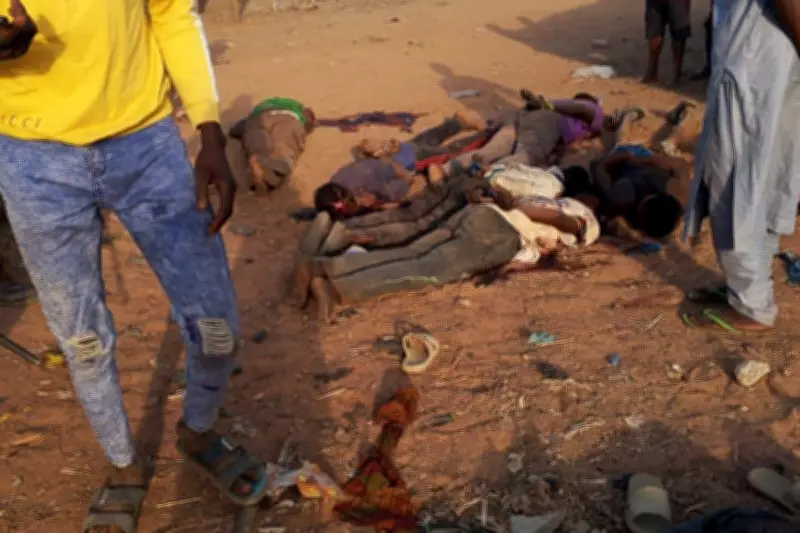
The Nigerian government has established a new military command to combat the spread of Islamic militant groups following a devastating attack that claimed more than 160 lives in western Kwara state. This decisive security response comes after one of the deadliest assaults in recent Nigerian history outside established conflict zones.
Deadly Village Assault Prompts Security Overhaul
Local authorities confirmed that 162 people were killed during Tuesday's coordinated attack on the villages of Woro and Nuku. The assailants, who have not yet claimed responsibility, reportedly targeted villagers for resisting extremist indoctrination, according to presidential statements. Witnesses described gunmen razing homes and looting shops in what Amnesty International's Nigeria office characterized as "a stunning security failure" in regions previously considered relatively stable.
Kwara State Governor AbdulRahman AbdulRazaq suggested the assault was likely retaliation for recent counterterrorism operations in the area, which had been enabled by intelligence from local communities. Security analysts note such attacks serve dual purposes: eliminating resistance while intimidating surrounding populations into compliance with militant demands.

Operation Savannah Shield Deployment
President Bola Tinubu's administration announced late Wednesday that a Nigerian army battalion would deploy to Kwara's Kaiama local government area, where the massacre occurred. The region has historically maintained limited security presence, creating vulnerabilities that militant groups have exploited.
"President Tinubu said the new military command will spearhead Operation Savannah Shield to checkmate the barbaric terrorists and protect defenseless communities," read the official presidential statement. The operation represents a significant escalation in Nigeria's counterinsurgency strategy, particularly in regions experiencing emerging security threats.
Expanding Militant Frontiers
Security experts warn that Kwara state is rapidly becoming a new frontier for armed groups seeking territorial expansion. James Barnett, a researcher at the Washington-based Hudson Institute, explained: "In certain places, they (armed groups) are finding competition from rival groups, and so a lot of them are in this broader axis because there has traditionally been less competition from other armed groups."
The attack highlights concerning patterns:
- Recent spikes in deadly assaults and kidnappings in previously stable regions
- Expansion strategies by both Nigeria's homegrown Boko Haram and Islamic State-linked Lakurawa factions
- Exploitation of security gaps in areas with limited military presence
International Security Cooperation
Despite occasional diplomatic disagreements, the United States has maintained security cooperation with Nigerian forces, conducting airstrikes targeting Islamic militants and maintaining a small team of American officers on the ground. This partnership forms part of broader regional security efforts, though analysts emphasize that the majority of victims in Nigeria's conflict zones are Muslims in northern regions, contrary to some international political narratives.
The establishment of Operation Savannah Shield represents Nigeria's latest attempt to contain militant expansion while protecting vulnerable communities. However, security experts question whether military deployment alone can address the complex ideological and socioeconomic factors driving extremist violence in emerging conflict zones.