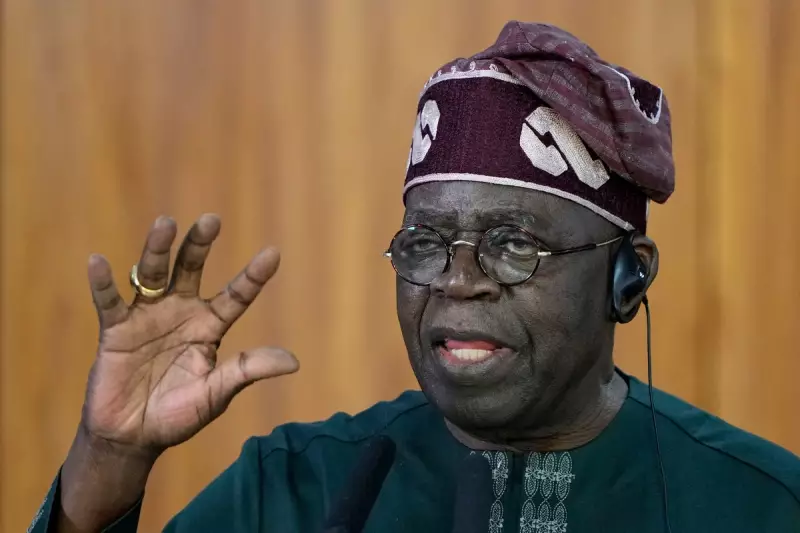
The Nigerian military has confirmed that a group of its officers will face trial for allegedly plotting to overthrow the government of the West African nation. This announcement follows the conclusion of a detailed investigation into the conduct of the officers, which revealed evidence of a coup plot against President Bola Tinubu's administration.
Investigation Uncovers Alleged Plot
According to a statement issued by Nigerian military spokesman Samaila Uba on Monday, an investigative panel has completed its work and identified several officers involved in what is described as a plot to overthrow the government. The findings indicate that these actions are inconsistent with the ethics, values, and professional standards expected of members of the Armed Forces of Nigeria.
The officers found culpable will be arraigned before a military judicial panel to face trial in accordance with established military procedures. It remains unclear how many of the sixteen officers arrested in October will ultimately stand trial, as authorities have not provided specific names or detailed numbers at this stage.

Background of the Arrests
The arrests of at least sixteen officers in October were initially linked by military authorities to acts of indiscipline and breaches of service regulations. However, these detentions, combined with local media reports suggesting a failed coup attempt, had already heightened tensions within a region that has experienced a series of military takeovers in recent years.
In response to the situation, the military spokesman emphasised that further measures are being implemented to preserve order, discipline, and the overall effectiveness of the armed forces. This move aims to reinforce stability and prevent any disruption to Nigeria's democratic processes.
Regional Context of Political Instability
The alleged coup plot in Nigeria emerges against a backdrop of increasing political turmoil across West and Central Africa. The region has witnessed a surge in coups and attempted coups, with notable incidents occurring in Benin and Guinea-Bissau towards the end of last year.
Experts point to a recurring pattern in these military takeovers, often driven by factors such as disputed elections, constitutional upheaval, ongoing security crises, and widespread discontent among younger populations. These elements create a volatile environment where military intervention becomes more likely.
Historical and Economic Concerns in Nigeria
Nigeria itself has a history of military coups, with multiple instances occurring between 1966 and 1993. Recent concerns have grown over worsening economic hardship in the country, partly attributed to the government's austerity measures. This economic strain has contributed to public dissatisfaction and could potentially fuel unrest, making the maintenance of military discipline and loyalty all the more critical.
The upcoming trials of the accused officers will be closely watched, both domestically and internationally, as they represent a significant test of Nigeria's commitment to upholding democratic norms and military professionalism in a region grappling with political instability.