Recent clashes between Syrian government forces and Kurdish-led fighters in northeast Syria have thrust the region's precarious detention facilities for Islamic State group members back into the international spotlight. The offensive, which took observers by surprise, has seen government loyalists capture wide areas previously controlled by the Syrian Democratic Forces (SDF), edging closer to key prisons and camps.
Security Vacuum Raises Fears of Escapes
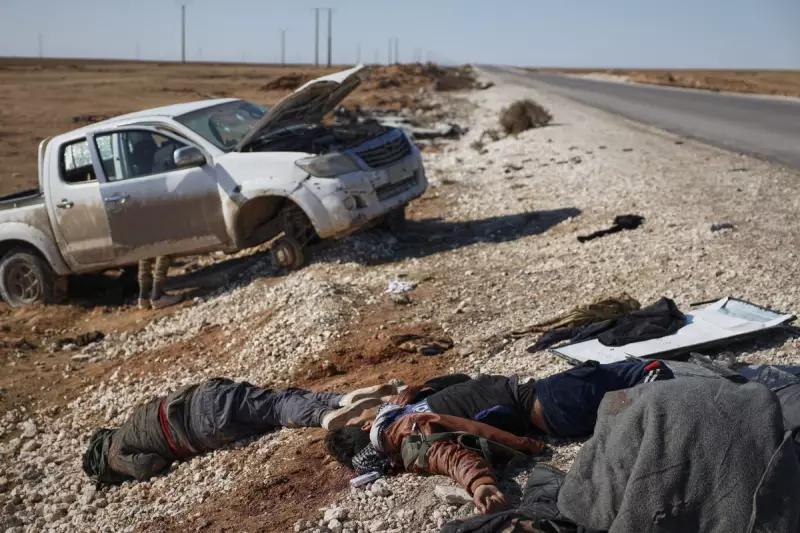
The battles have already precipitated security breakdowns. State media reported that dozens of IS detainees managed to flee the Shaddadeh Prison near the Iraqi border amid the fighting, with authorities blaming SDF fighters for their release. While most were recaptured, the incident underscores the significant threat posed by the current security vacuum.
Muaz Al Abdullah, Middle East research manager at the Armed Conflict Location & Event Data Project, warned that such events "carry serious ramifications and consequences for the security of Syria and the region as a whole." He highlighted that some facilities contain nearly 5,000 ISIL fighters, representing a potent danger.

The Lingering Threat of the Islamic State
The potential escape of detainees raises profound concerns that they could reinvigorate the group's sleeper cells, which continue to carry out deadly attacks in Syria, Iraq, and beyond. The Islamic State, at its peak in 2014, declared a caliphate across parts of Syria and Iraq, attracting extremists globally and orchestrating brutal atrocities.
Their reign was marked by horrific violence, including the enslavement of Yazidi women, public beheadings, and the execution of those accused of adultery or homosexuality. The ideology that fueled these acts remains a persistent threat, particularly within the camp systems.
Key Detention Facilities Under Scrutiny
Several major prisons holding IS suspects are now focal points in the shifting conflict. According to a U.S. State Department report, an estimated 9,000 IS fighters remain in SDF-controlled detention, including 1,600 Iraqis and 1,800 foreign fighters.
- Gweiran (Panorama) Prison: The largest facility, located in Hassakeh, holds about 4,500 IS-linked detainees and remains under full SDF control.
- Shaddadeh Prison: Now under government control after clashes. Authorities state 120 detainees fled, with 81 recaptured and search operations ongoing.
- Al-Aqtan Prison: Near Raqqa, the former IS capital, this facility has seen tensions, with the SDF accusing Damascus-affiliated factions of cutting off its water supply. Negotiations are reportedly underway for a government takeover.
- Other Sites: These include the Cherkin Prison in Qamishli and the Derik prison near the borders with Iraq and Turkey.
The Camps: Al-Hol and Roj
Beyond the prisons, the sprawling al-Hol and Roj camps house tens of thousands of women and children linked to IS, captured after the group's territorial defeat in March 2019. These sites have long been centres of humanitarian concern and potential radicalisation.
Al-Hol Camp: A Breeding Ground for Extremism?
At its peak in 2019, al-Hol held some 73,000 people. The population has since dropped to about 24,000, according to Kurdish official Sheikhmous Ahmad. Syrians form the largest group (14,500), followed by Iraqis (nearly 3,000).
A highly secured section, known as the annex, holds about 6,500 women and children from other nationalities, deemed the most die-hard IS supporters. The camp has been a site of crimes by IS sleeper cells against women attempting to distance themselves from the group, raising fears it acts as an incubator for future extremists.
On Tuesday, Syria's interior ministry accused the SDF of allowing releases from al-Hol. Later, state media showed government gunmen guarding the camp, asserting control. It remains unclear if any IS members escaped during the transition.
Roj Camp: A More Relaxed Atmosphere
The smaller Roj camp, with about 2,500 inhabitants, maintains a more relaxed atmosphere. It holds notable figures like Shamima Begum, the British woman who travelled to Syria as a teenager to join IS nearly eleven years ago.

Government Pledges and Regional Stakes
The Syrian government, which joined the U.S.-led anti-IS coalition in late 2025, has stated its readiness to take over and manage the camps and prisons, vowing continued commitment to fighting extremists. However, the rapid advance of forces loyal to interim President Ahmad al-Sharaa has created a volatile situation where the safety and security of these detainees hang in the balance.
The international community watches closely, aware that the instability in northeast Syria not only threatens regional security but also risks undoing years of effort to contain one of the world's most notorious extremist organisations. The management of these detention facilities remains a critical and unresolved challenge at the heart of the conflict's next phase.