UK Shifts Foreign Aid Focus to Bolster Multilateral Institutions Amid Global Tensions
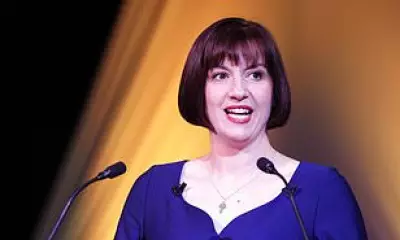
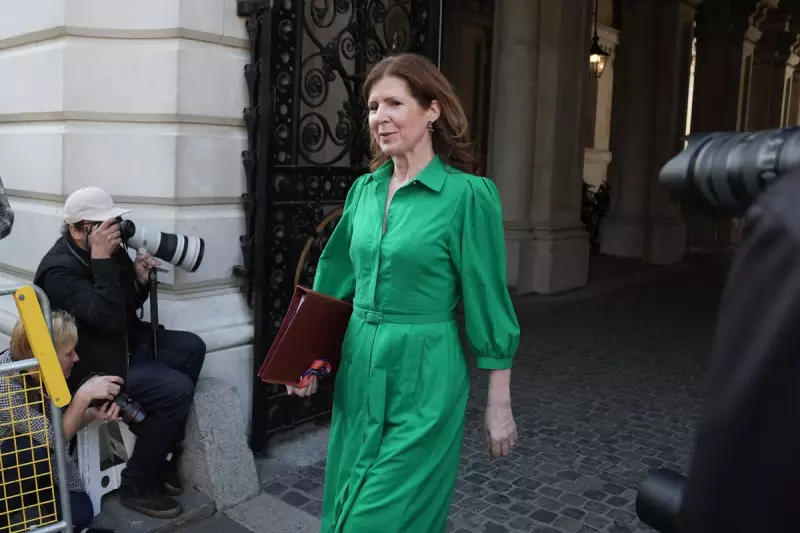
Baroness Jenny Chapman, the Minister for International Development and Africa, has declared that the United Kingdom will prioritise overseas aid for multilateral institutions such as the World Bank and the United Nations. This strategic move aims to counteract escalating threats to international cooperation, as revealed during a parliamentary session with the International Development Select Committee.
Defending the Multilateral System
Baroness Chapman emphasised that the UK will channel aid through coordinated multilateral efforts rather than direct bilateral agreements with partner nations. She stated that this shift is necessary because "the multilateral system was under threat", and the UK is committed to opposing this trend. Her comments follow a year of public criticism and funding reductions to organisations like the UN, notably from former US President Donald Trump.
Experts have concurrently warned that alliances such as NATO face existential challenges due to geopolitical posturing, including Trump's interest in acquiring Greenland. "The multilateral system is coming into threat, and we can have a very long discussion about why that might be, but we feel there are some agencies that we really want to back," Baroness Chapman explained.

Financial Commitments and Strategic Priorities
The minister highlighted the UK's £850 million pledge to the Global Fund as an example of this approach, though it represents a 15 per cent cut from the previous commitment. She posed a critical question: "If we didn't take part [in the refinancing] then how viable is it? If big donors don't back these things, then that becomes the question."
Baroness Chapman argued that supporting multilateral institutions enables the UK to achieve "big changes" with its aid programme that would be unattainable through solo operations. These programmes also allow the UK to leverage extensive on-the-ground networks, such as the Africa Development Bank's presence in war-torn Sudan, which is vital for effective aid delivery.
Influencing Global Aid Agendas
Furthermore, the UK has utilised its influence at the World Bank to sustain focus on aid areas that other nations may deprioritise. "Two [areas] that have come under most threats I think of late would be [to] gender[based programmes] and climate [programmes] where we've been very clear what we think and what we expect, and have been able to act as a counterweight to some of the other pressures on the bank [in these areas]," she noted.
Delays and Impact Assessments
The development sector anxiously awaits specific details on where UK aid cuts will be implemented, as the government's original deadline for announcing allocations passed last year. When questioned about aid allocations, Baroness Chapman indicated that plans for the next three years of UK aid spending would be released "as soon as possible". She attributed the latest delay to adjustments made following a recent impact assessment of the cuts.
A previous assessment from July last year acknowledged that reducing foreign aid spending could likely increase global mortality rates. It confirmed that cuts would disproportionately affect women and girls' education initiatives and projects across Africa, underscoring the high stakes of these policy decisions.