The new Labour government is preparing to significantly reduce Britain's contribution to the global fight against deadly diseases, a move experts warn could lead to the loss of a quarter of a million lives.
A Damaging Cut to Global Health
Prime Minister Sir Keir Starmer is expected to pledge just £850 million to the Global Fund to Fight Aids, Tuberculosis and Malaria for the next three years, according to exclusive information obtained by The Independent. This represents a 15 per cent reduction compared to Britain's last pledge of £1 billion in 2022, which itself was down from a commitment of £1.4 billion in 2019.
The decision, one of the first major foreign aid announcements since the government revealed it would dramatically reduce overseas spending to fund defence, is expected to be confirmed as soon as next week. The UK is co-hosting the Global Fund's fundraising event in South Africa on 21 November.
The Human Cost of Reduced Funding
The worldwide NGO the ONE campaign has calculated the devastating potential impact of this cut. Their analysis suggests that a £1 billion commitment from the UK would account for saving 1.7 million lives. Consequently, the £150 million reduction is projected to result in an estimated 255,000 preventable deaths.
The Global Fund, which finances a quarter of all international HIV treatment and prevention programmes, more than half of malaria programmes and three-quarters of TB support worldwide, has saved an estimated 70 million lives over the past two decades. The current cuts threaten its ambitious plan to raise $18 billion to save 23 million lives between 2027 and 2029.
Political and Expert Reaction
The decision has drawn sharp criticism from across the political spectrum. Andrew Mitchell, the former secretary of state for international development, described the UK cut as "a bitter pill to swallow".
"Not just for the many thousands of people who will lose their lives," the Conservative MP added, "but also for the many people in Britain who are proud of the work Britain has led in preventing death from malaria, HIV/Aids and tuberculosis, and which is now being curtailed by the first Labour government ever to cut development spending."
David Mundell, co-chair of the all-party parliamentary group on HIV/Aids, called the decision "seriously disappointing", noting the Global Fund's well-established track record of delivery and effectiveness.
The government has indicated it will use Britain's aid budget to prioritise humanitarian responses in Gaza, Sudan and Ukraine, alongside global health. It has named the Global Fund, along with the global vaccine alliance Gavi, as organisations in line to receive bigger shares of its aid spending, yet still implemented this significant cut.
Dr Katherine Horton from the London School of Hygiene and Tropical Medicine's tuberculosis modelling group warned that cuts to the UK's contribution would drive thousands of extra deaths. "TB kills more people each year around the world than any other infectious disease," she noted.
"Global health broadly is really strained at the moment heavily because of the US cuts that have already happened. And so I think, in the wake of the US cuts, there's a real need for other countries to contribute as much as they can to try to fill some of that gap."
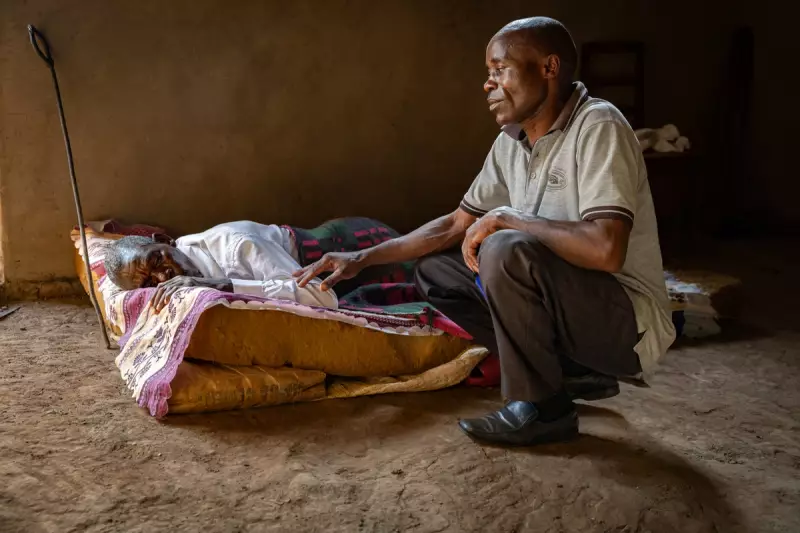
The world was on track to end the Aids pandemic by 2030 until funding cuts, particularly from the US under Donald Trump, took effect earlier this year. The Independent's recent reporting from Senegal revealed disabled people dying for lack of transport to reach lifesaving drugs and hospitals unable to provide food kits to malnourished patients following American cuts.
The Foreign, Commonwealth and Development Office stated that the UK continues to work with the Global Fund and that the pledge would be announced in due course, maintaining the government's commitment to tackling global health challenges.