Venezuelan Families Demand Prisoner Release After Weeks of Protests
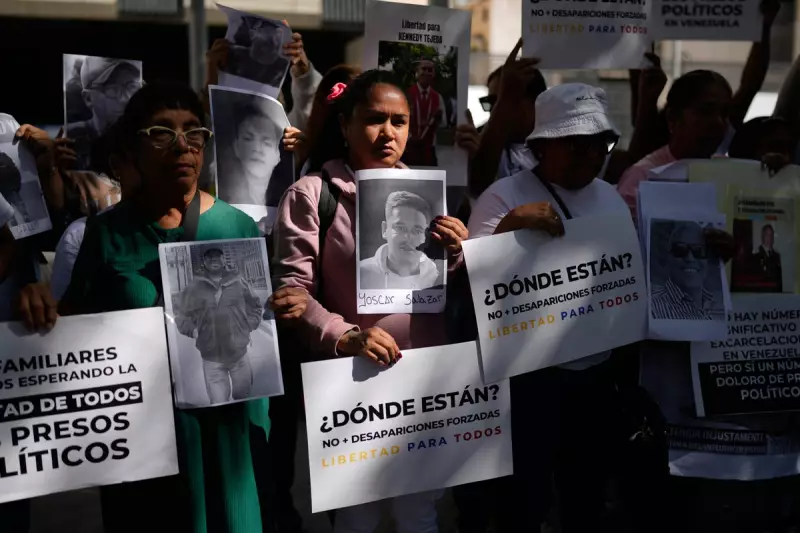
Families of Venezuelan prisoners have intensified their demands for the release of nearly 800 detained critics, journalists and opposition members, following weeks of waiting outside prisons in the South American nation. The call for action comes after family members spent two weeks camped outside detention facilities, responding to government promises of a "significant number" of releases.
Government Promises and Ongoing Frustration
The situation follows the deposition of former President Nicolás Maduro in early January during an overnight U.S. military raid. In the wake of criticism that only a handful of prisoners had been freed, acting President Delcy Rodríguez last week vowed to continue releasing detainees, calling it "a new political moment" for Venezuela.
Despite these assurances, many Venezuelans like Francis Quiñones say they feel the same turmoil that families of prisoners have experienced for years. While much of Venezuela has started to move on from the chaos of recent weeks, people like her remain stuck in limbo, unable to reunite with loved ones.

Protests at Helicoide Prison
Groups of families have spent two weeks camped outside the Caracas prison known as Helicoide, which activist groups say holds numerous government opponents. Quiñones, whose son has been detained for over five years, revealed she hasn't been able to speak to him in more than six months, yet she clings to hope for reunion.
"Here we are waiting... Every day, we're out here outside the Helicoide," she said. "The government is killing us psychologically." Her words echo the desperation felt by many families who have displayed posters of missing relatives along prison curbs, clustering together to light candles in vigil.
Limited Releases and Ongoing Restrictions
As of Tuesday, Venezuela's leading prisoner rights organization, Foro Penal, had verified the release of 145 people it considers "political prisoners." According to the organization's leader, Alfredo Romero, approximately 775 more remain in detention, highlighting the scale of the ongoing crisis.
Romero emphasized that those who have been released may not be locked up anymore, but they're far from free. Most face government restrictions including gag orders on speaking to media and mandatory check-ins with authorities, while others are blocked from leaving the country entirely.
"These people are not free," Romero stated. "They are subjected to constant, latent persecution." This reality underscores the complex challenges facing Venezuela as it navigates political transition while families continue their vigil for justice and reunion.