The Myth of Orania: A White-Only Town Under Global Scrutiny
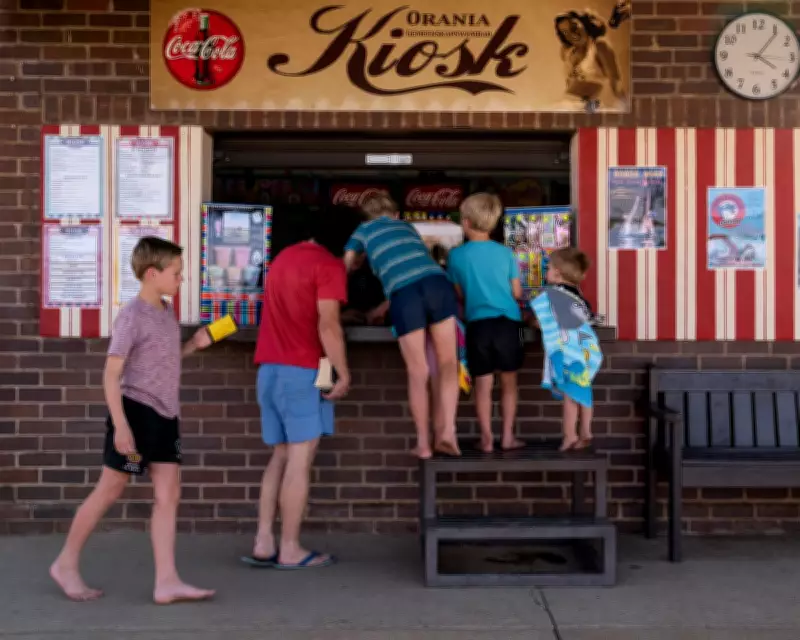
In the remote scrublands of South Africa, a small town named Orania has captivated international attention for decades. Spanning just 9 square kilometres, this community of around 3,000 people boasts suburban houses, a municipal swimming pool, a single gas station, and pecan farms. Despite its uneventful nature, Orania has been profiled repeatedly by major English-language news outlets, including four dedicated features in The New York Times alone. The town's changelessness is its defining feature, but it comes with a stark condition: no people of colour are allowed to live there.
A Colony Born from Fear
Founded in 1991, as Nelson Mandela's release from prison signalled the end of white-minority rule, Orania was established by Afrikaners who purchased a disused mining town. With racial segregation laws recently abolished, they declared it private property to run an experiment: could white South Africans live without relying on people of colour for manual labour? They also predicted a brutal race war, envisioning the town growing to 10,000 residents and spreading its ideals across a province.
For years, leftwing and mainstream reporters portrayed Orania as thriving, suggesting it attracted revanchist white residents. However, in the mid-2010s, rightwing commentators outside South Africa, particularly in the US under Donald Trump's influence, began to echo this fascination. They framed Orania as a safe haven from supposed persecution of white people in South Africa, a narrative that gained traction as Trump muscled onto the political stage.

Trump's Intervention and the False Narrative
Upon re-entering the White House in January 2025, Trump escalated his focus on South Africa, cutting foreign assistance and offering expedited refugee status to Afrikaners. He hosted President Cyril Ramaphosa for a kangaroo trial, alleging persecution or genocide. Conservative influencers in the US amplified this, often citing Orania as the only safe space for white South Africans.
Yet, this tale is fundamentally untrue. White South Africans are not subject to violent persecution based on skin colour. As of 2023, their average household income remains four and a half times that of Black households, and they are less likely to be victims of crime. Since apartheid's end, violent crime has halved, homicide rates are 30% below their 1993 peak, and the rule of law operates with free elections. White politicians hold major cabinet ministries, and the white population has stayed steady at about 4.5 million since the early 1990s.
The Overlooked Violence of Apartheid on White South Africans
While apartheid primarily brutalised Black South Africans, it also inflicted deep wounds on white citizens. The regime was a repressive police state that heavily circumscribed white lives. School curriculums were sanitised, the press was cowed, and white teenagers were drafted into a brutal military. Free speech was proscribed, with white newspaper editors imprisoned or forced into informant roles. In 1990, a defence ministry operative bombed a critical Afrikaans-language newspaper's offices.
The state seized passports of white politicians, journalists, and artists, trapping them in South Africa. Psychiatrists hunted for gay individuals, subjecting them to electric shocks and forced sex-reassignment surgery. Television was banned until 1975, and censorship kept white citizens ignorant of events. The Immorality Act prosecuted hundreds for interracial relationships, forcing white families to suppress natural affections for Black nannies and friends.
The Psychological and Physical Toll
White South Africans lived in fear of a perceived total onslaught by Black terrorists. Children learned to handle semiautomatic weapons, and mandatory conscription led to high suicide rates among draftees. A 1982 study found white South African men had triple the suicide risk and over four times the risk of death from liver cirrhosis compared to English and Welsh cohorts. Family murders by white men increased in the 1980s, reflecting deep-seated anger and brutality.

Many white South Africans, like Mark Joseph, a mental health educator, bought into apartheid's lies about Black enemies. After Mandela's presidency, he felt guilt and rage, impacting his marriage. The apartheid economy stagnated, with high inflation and unemployment driving white flight. In 1992, 69% of white voters chose to establish a full democracy, knowing they would be a minority.
The Real South African Story: Lessons from Shared Trauma
Contrary to the revenge narrative, mass retribution did not occur. White South Africans often express shock at the warmth from neighbours of colour. Many Black South Africans, like writer Don Lepati, recognise that white people were also victims of apartheid's harsh laws. Jamie Gangat, an anti-apartheid activist, found common ground with white ex-soldiers, realising shared trauma from the system.
The small minority of white South Africans promoting persecution tales abroad, through groups like Suidlanders and AfriForum, do not represent the majority. Their PR campaigns have influenced US rightwing media, but most white South Africans object to this depiction, suffering from Trump's punitive tariffs.
The Broader Message
The real lesson from South Africa is that a police state harms even those it claims to protect. Moving toward justice, though challenging, proved easier for many white South Africans than enduring apartheid's repression. This story challenges global assumptions about power and retribution, offering a nuanced view of post-apartheid life beyond Orania's myth.