Educational experts from Bulgaria and the United States have issued a compelling challenge to conventional thinking about children's screen time, arguing that the core issue isn't just digital consumption but a fundamental lack of meaningful, creative engagement in young lives.
The Purpose Problem in Child Development
Responding to recent discussions about screen time's impact on toddlers, Georgi Kamov, co-founder of the Bulgarian educational initiative Red Paper Plane, contends that the problem extends far beyond mere screen exposure. "What your article describes isn't a screen problem, but a purpose problem," Kamov writes, highlighting how passive consumption fails to provide the interactive experiences essential for building language and social skills.
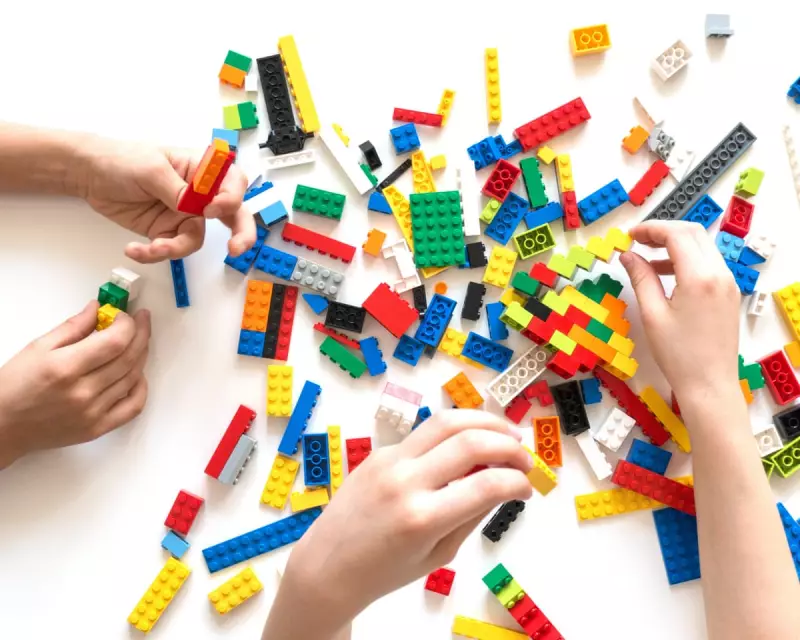
For over a decade, Kamov's organisation has implemented their Design Champions programme with more than 30,000 Bulgarian children aged five to ten. Rather than consuming digital content, these children transform into park designers, car engineers, and city architects through extended "missions" lasting weeks. They tackle real-world problems using tangible materials, presenting their solutions to their communities.

Stark Contrasts in Educational Approaches
The contrast between this approach and what Kamov observes elsewhere is striking. While some reception teachers report children making cardboard iPhones because "that's what they know," Kamov's participants build models of dream playgrounds and engage with real community challenges. "Same age, radically different outcomes," he notes, emphasising how project-based learning creates fundamentally different developmental trajectories.
Kamov argues that forthcoming UK government guidance on screen use should address not just duration but purpose. "The question isn't how many hours children spend on screens, but what experiences they're missing," he writes, advocating for early years education designed to restore the hands-on engagement increasingly displaced by digital passivity.
The Critical Early Years and Brain Development
From across the Atlantic, psychologist Lisa Harms adds a neuroscientific perspective to the discussion, emphasising the irreversible importance of early childhood experiences. "The brain is rapidly developing during the first five years," Harms explains from her home in St Petersburg, Florida. "That development is critical and dependent on the child's interaction with its primary 'object,' typically the mother."
Harms describes how this early period establishes the foundations for a child's sense of self, self-esteem, trust, attachment, and future relationships. "The 'hard wiring' is being established and is not easily amenable to change," she warns, highlighting the lasting consequences of early experiences.
Societal Challenges and International Comparisons
The American psychologist expresses concern about societal values in the United States, where she observes a culture focused on money and power as measures of success, often at the expense of child-rearing. "We don't really value child-rearing here and often look down on those who choose to be stay-at-home moms," Harms writes, noting that financial pressures create critical obstacles to optimal child development.
She contrasts this with Scandinavian approaches offering substantial parental leave, child subsidies, and other supports. "What's really lacking, profoundly lacking, is an understanding of child development," Harms argues, suggesting that greater awareness of how early experiences shape brain development could drive meaningful policy changes.
Historical Wisdom and Modern Applications
Both correspondents echo educational philosophies dating back more than a century. Kamov references Maria Montessori's understanding that "children don't need better content delivery – they need environments where they can act on the world, not just watch it."
Harms recommends the book A General Theory of Love for its exploration of early childhood's critical importance, suggesting that widespread understanding of developmental science could transform approaches to parenting and education.

Together, these perspectives from Bulgaria and the United States create a compelling case for reimagining how societies support child development in the digital age, moving beyond screen time debates to focus on creating rich, meaningful, hands-on learning experiences that engage young minds and build essential skills for life.