France is preparing to introduce sweeping new restrictions on digital access for young people, with plans to ban children under the age of 15 from social media platforms and to prohibit mobile phones in all high schools from September 2026, according to reports from major French media.
Macron's Push for Digital Protection
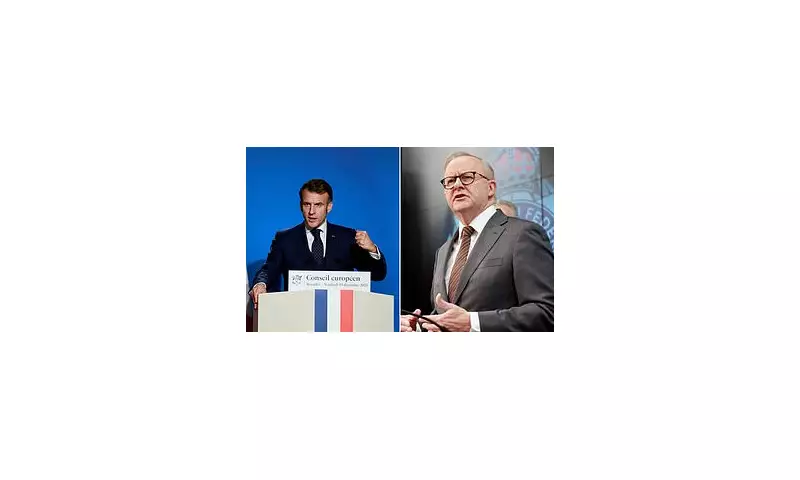
President Emmanuel Macron has frequently identified social media as a key factor contributing to youth violence and has signalled his intention for France to follow the precedent set by Australia. The Australian government implemented a world-first ban in December, prohibiting under-16s from accessing major platforms including Facebook, Snapchat, TikTok, and YouTube.
In a New Year's Eve address, Macron pledged to 'protect our children and teenagers from social media and screens', aligning with this policy direction. His government is set to submit draft legislation for legal scrutiny in early January, as reported by Le Monde and France Info.

Extending Existing School Bans
The proposed changes would significantly extend France's current digital safeguards. Mobile phones have been banned in French primary and middle schools since 2018. The new measures would apply this ban to high schools (lycées), where pupils are typically aged 15 to 18.
This move builds upon a 2023 law that required social media platforms to obtain parental consent for users under 15 to create accounts. However, technical challenges have hindered the full enforcement of that legislation, highlighting the complexities of online age verification.
A European and Global Trend
Macron's initiative is part of a broader push for regulation at the European Union level. Following a fatal school stabbing in eastern France that shocked the nation in June, the President stated he would advocate for an EU-wide ban on social media access for all under-15s.
The European Parliament urged the EU in November to set minimum ages for social media access to combat a rise in adolescent mental health problems linked to excessive screen time. While the Parliament can issue guidance, it is ultimately member states that impose and enforce such age limits.
Public opinion in France appears supportive of stricter controls. A 2024 Harris Interactive survey found that 73% of respondents backed a ban on social media access for children under 15. This popular support may provide a welcome boost for Macron, whose domestic political standing has been weakened by a hung parliament and successive weak governments.
The French plan places it among a growing number of nations, including Australia, taking decisive legislative steps to regulate children's interaction with social media and digital devices, citing concerns over safety, mental wellbeing, and classroom focus.