Ofsted Chief Inspector Calls for Earlier Action on Social Media Ban
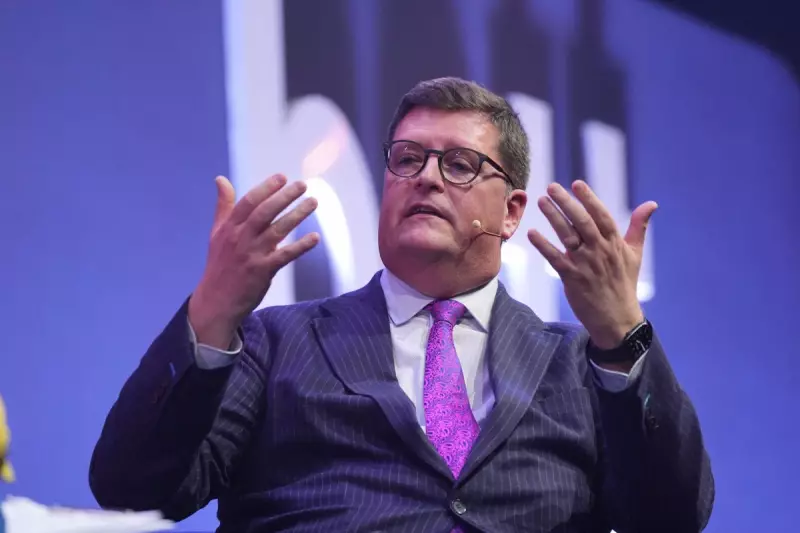
The head of England's schools watchdog has declared that a government consultation on banning under-16s from social media platforms should have been initiated much sooner. Sir Martyn Oliver, the chief inspector of Ofsted, made the remarks while addressing the Bett UK education technology conference, where he emphasised his desire for children to experience their childhoods directly rather than through digital screens.
"I Would Have Done It Sooner"
Sir Martyn stated that while he welcomes the Government's recently announced consultation on potentially prohibiting social media access for those under sixteen, he believes the move has arrived tardily. "I equally welcome the consultation on the social media ban. I think it's a little bit late, I would have done it sooner," he told the audience. He did, however, express optimism about the evidence-led approach of the consultation, looking forward to its outcomes.
The Ofsted chief underscored the pervasive nature of screen time in young lives, stating, "I want children to live their childhoods. I don't want them to watch it on a screen, and it's really pervasive." His comments come as Ofsted prepares a significant new enforcement role regarding mobile phones in educational settings.

New Ofsted Role in Enforcing School Phone Bans
From April, Ofsted inspectors will be formally tasked with examining how schools are implementing mobile phone bans. Sir Martyn outlined the inspection process, explaining that inspectors will question every school about its mobile phone policy. "We'll ask the children, we'll ask the staff, and of course, if we see it contributing to poor behaviour, to bullying, we will pull that thread, and we will have an opinion about how that and how leadership is responding to that," he detailed.
This enhanced scrutiny aligns with broader parliamentary efforts to address children's digital wellbeing. The House of Lords is set to debate an amendment to the Children's Wellbeing and Schools Bill, tabled by former schools minister Lord Nash, which seeks to raise the legal age for social media use to sixteen.
Parliamentary Push and Campaigner Support
Lord Nash has issued stark warnings, arguing that without "swift action to raise the age limit for social media to 16, we are at risk of a societal catastrophe." He contends that the evidence for a ban is "overwhelming," with support ranging from medical professionals to teachers and hundreds of thousands of parents. He has criticised the new consultation as representing further delay, asserting, "The time for delay and procrastination is over."
The amendment has garnered notable support. A letter backing the move has been signed by figures including Hollywood actor Hugh Grant, singer Peter Andre, actor Sophie Winkleman, and Esther Ghey, the mother of murdered teenager Brianna Ghey. Ms Ghey has previously spoken about her daughter's "social media addiction" and desire for TikTok fame, which caused her constant fear about online interactions.
The letter, also endorsed by organisations Parentkind and Mumsnet, states: "Children are being served up extreme content without seeking it out. Parents know this has to stop. But they cannot do this alone, and they are asking for politicians to help." It emphasises that safeguarding children should rise above politics and calls for immediate action through the bill.
Government Consultation and Dissenting Voices
Technology Secretary Liz Kendall announced a three-month consultation this week, examining the potential advantages and disadvantages of a ban. The review will also consider possible overnight curfews and measures to prevent "doom-scrolling," with findings expected in the summer. Prime Minister Sir Keir Starmer told the Commons the consultation would examine expert and international evidence, including restrictions on age, addictive features, and screen time for under-fives.
However, not all campaigners support a legislative ban. Some warn it could be a "blunt response" that fails to hold technology companies accountable for platform safety. A joint statement from the Molly Rose Foundation and the NSPCC argued that blanket bans "are a blunt response that fails to address the successive shortcomings of tech companies and governments to act decisively and sooner."

Felicity Oswald, chief executive of Girlguiding, expressed reservations, suggesting that removing access does not address root causes. Meanwhile, children's rights campaigner and filmmaker Baroness Kidron criticised the consultation as "an insult" to Parliament, parents, and young people, warning it would delay vital online safety measures. She confirmed she would vote for Lord Nash's amendment.
Practical Challenges and Calls for Youth Engagement
England's Children's Commissioner, Dame Rachel de Souza, who has previously indicated support for a properly enforced ban, highlighted practical difficulties. She told MPs on the Human Rights Committee that implementation could be "really tricky," questioning logistical aspects like age-assessing app stores. She urged the Government to base any decision on "understanding and not of knee-jerk reaction" and strongly advocated for consulting young people directly in the process.
The debate continues to unfold, balancing urgent calls for protection against concerns about practicality and corporate responsibility, with Ofsted now positioned to play a key frontline role in managing technology's presence in schools.