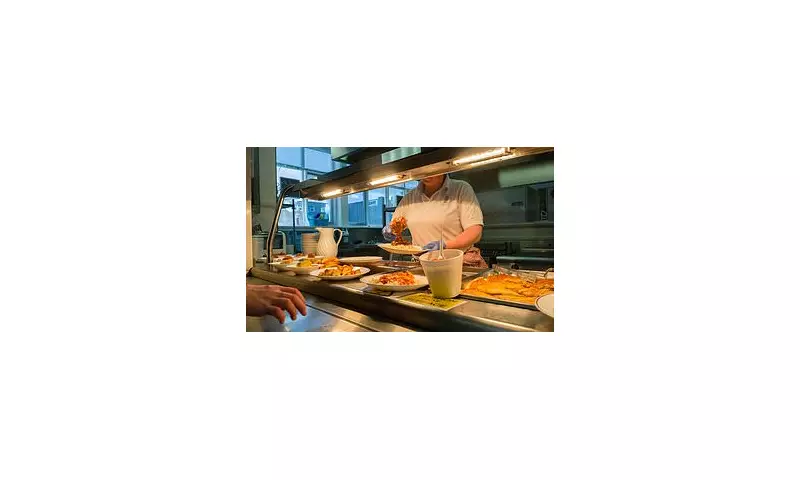
Gone are the days of lumpy custard, but a new crisis is brewing in school canteens across the Highlands. Highland Council has revealed it throws away a staggering £850,000 worth of uneaten school dinners every year, prompting a major review of its catering service.
The Scale of the Problem
A recent survey conducted as part of the council's Food in Schools programme uncovered startling data. It found that 41% of pupils admitted to 'only sometimes' or 'rarely' finishing the food on their plates. This widespread waste has led the local authority to draft a ten-point action plan to stop perfectly good meals from ending up in the bin.
The feedback from children was blunt. One pupil attributed the waste to children being 'forced to take things they don’t like'. More than 40% of those surveyed rated the taste of the food as 'fair' or 'poor'. Parents echoed these concerns, with 20% of primary parents polled describing the quality of food and menu choice as 'poor'.

What's Going Wrong in the Dinner Hall?
Comments from parents and children painted a clear picture of the issues. Some described the food as 'bland and mushy' and complained of 'dry' cakes. The suggestions for improvement were clear: offer 'simpler, more familiar meals' like sausages, pasta, and chicken goujons. Others called for 'less processed food and more fresh/local ingredients'.
A significant point of contention was the current system. Many parents felt that allowing pupils to 'select the parts of the meal they enjoy' would be a simple yet effective way to slash waste. This sentiment is supported by a report going before councillors, which states that responses show 'moderate satisfaction with the service, concerns about food quality and dining environments'.
Catering Staff Weigh In
The council will also be presented with findings from catering staff, a 'significant majority' of whom identified food waste as a serious problem. One staff member advocated for 'a simpler menu for children... basic traditional home cooking', believing it would result in 'so much less waste'.
Another pointed a finger at the current health drive, stating there was 'too much focus on it being super healthy and kids just don’t want that'. A 'large proportion' of staff also believed that pupils simply 'do not understand the implications of food waste'.
The Road to a Solution
In response, Highland Council's action plan is ambitious. It aims to conduct a 'comprehensive menu review' designed to increase pupil satisfaction, reduce waste, and increase the number of children taking school meals. A key part of the strategy is to establish a waste tracking process specifically for school meals to identify and cut down on what is being thrown out.
This local issue reflects a national problem. Chartwells, a major school catering company operating across the UK, reported that uneaten dinners account for 70% of school waste. Their own research found that 'about a quarter of all school food' is discarded.
The challenge for Highland Council is clear: bridge the gap between well-intentioned healthy eating policies and what children will actually consume, turning a costly waste problem into a success story for its schools.