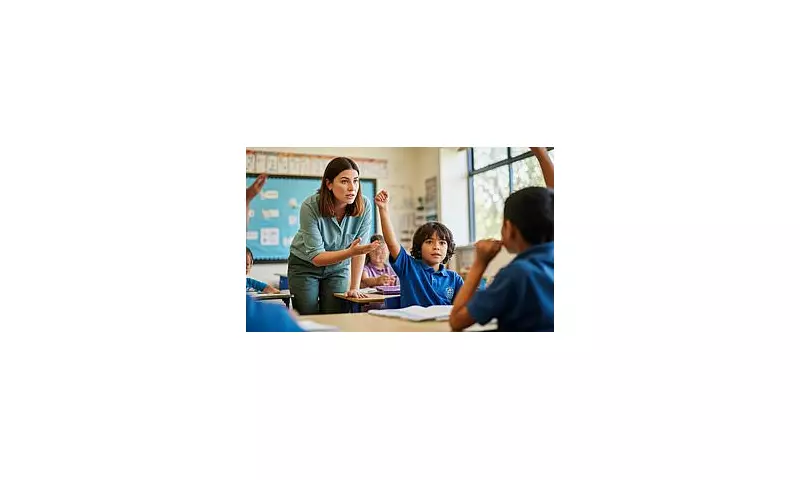
Behind the vibrant, colourful facades of Australian classrooms lies an education system that one weary teacher recently characterised as being held together by "bubble-gum, duct tape, and a single office secretary who is really good at their job". This sentiment was far from isolated, with a group of fed-up Australian primary educators offering their unvarnished thoughts to parents this week through a brutally honest question-and-answer forum.
A Professional Perspective on Child Development
For the majority of parents, raising a five-year-old child is a first-time experience. For dedicated teachers, however, it constitutes their entire professional life. Educators witness the same age group, year after year, granting them a profound and nuanced understanding of what constitutes developmentally normal behaviour, what might represent a genuine red flag, and what issues are likely to resolve naturally with the passage of time.
This accumulated expertise is precisely why these teachers fervently hope that parents will learn to trust their professional perspective. This trust becomes especially crucial when concerns arise regarding a child's behaviour, their learning progress, or their emotional and social development within the school environment.

Your Child Probably Lies to You Regularly
One of the most challenging truths for families to hear is that their children do, in fact, lie. Crucially, teachers emphasise that this does not automatically signify that a child is fundamentally dishonest or badly behaved. Educators point out there are specific developmental stages where experimenting with lying is completely normal.
This is particularly prevalent during the early primary school years, where children are still actively learning about social boundaries, the art of storytelling, and the real-world consequences of their words and actions. "If your child comes home with an outrageous story about their school day, take it with a substantial pinch of salt," one teacher advised candidly.
They shared vivid examples, such as students insisting they had never lied, even when caught red-handed copying another pupil's work verbatim. Other cases involved children claiming they failed an assignment due to numerous absences that simply never occurred. The core message from educators is that young children are not always reliable narrators of events.
- Sometimes they exaggerate details to make a story more compelling.
- Often they genuinely misunderstand or misinterpret events that transpired.
- Frequently, they tell tales they believe sound more exciting, rather than engaging in intentional deception.
The advice to parents is not to dismiss a child's feelings, but to understand that the classroom teacher often possesses a clearer, more complete picture of what actually occurred during the school day. Teachers also reminded families that children can sometimes utter shocking or highly misleading statements without comprehending the potential impact.
One adult recalled joking as a child that their mother "locked them in a closet", unintentionally causing serious alarm to a stranger. Another remembered telling a teacher their father "beat" their mother—meaning during a card game—which prompted a serious welfare check from the school's principal. Children are imaginative, impulsive, and still learning how language, humour, and consequences interrelate. That said, teachers stress that if a child makes a statement that seems genuinely serious, parents should always follow up thoroughly instead of dismissing it outright.
Step Up Hygiene and Bathroom Education Rapidly
Another critical issue that teachers assert parents frequently underestimate revolves around basic hygiene and bathroom independence. This is especially pertinent for children in kindergarten and the early primary years. "Go over proper bathroom behaviour. Reinforce handwashing. I cannot stress this enough," one teacher urged with palpable concern.
He recounted chaotic and sometimes alarming bathroom incidents from his experience. These included children removing all their clothes to use a urinal, getting limbs accidentally stuck in toilet bowls, or causing panic among classmates due to fundamental misunderstandings about how to use the facilities correctly.

Educators also asked for parental understanding and trust when they need to intervene in bathroom situations. "If we ever have to step into a bathroom, it's because someone is screaming, stuck, or unsafe. Not because we want to be there," he explained plainly. For teachers, mastering basic hygiene—such as washing hands thoroughly, using the toilet appropriately, and managing clothing independently—makes a meaningful difference to a child's daily comfort, personal confidence, and overall safety at school.
Independence is Absolutely Everything
Perhaps the strongest and most consistent message emanating from the teacher forum is this: children benefit enormously from being encouraged towards independence—even when the process is slower, messier, or considerably less convenient at home. "If I could say one thing to incoming kindergarten parents, it would be: make your child as independent as possible," one educator wrote emphatically.
This foundational independence encompasses a range of practical skills:
- Being able to dress themselves without significant assistance.
- Managing their own backpacks and school bags.
- Following two- or three-step instructions reliably.
- Packing and organising their own folders and materials.
- Zipping up their own jackets and managing fastenings.
- Handling basic personal care routines independently.
While it is often quicker and easier for a parent to step in and complete these tasks, teachers warn that consistently doing everything for a child can leave them struggling profoundly in a classroom setting. In this environment, a single adult is responsible for the welfare and education of many students simultaneously. "Parents do so much because it's faster, easier, or cleaner. But it can be a huge disservice when kids arrive unable to put on their own shoes, manage their clothes, or look after their basic needs," one teacher noted.
Their advice is resolutely practical: choose school clothes and shoes that children can manage alone, label all belongings clearly, practice morning and evening routines diligently at home, and, most importantly, allow children the space to build confidence through natural trial and error.
A Plea for Trust and Partnership
Ultimately, educators assert that the best outcomes for children occur when families trust professional teaching experience, actively encourage age-appropriate independence, consistently reinforce essential routines like hygiene, and approach any concerns with openness rather than defensiveness. Within a school system that is constantly balancing packed classrooms, limited resources, and increasing societal demands, teachers are striving daily to do their absolute best for every single child.
Sometimes, the most supportive and impactful thing a parent can do is to step back thoughtfully and allow their child the opportunity to learn, to occasionally stumble, and in doing so, to adapt, grow, and ultimately thrive.