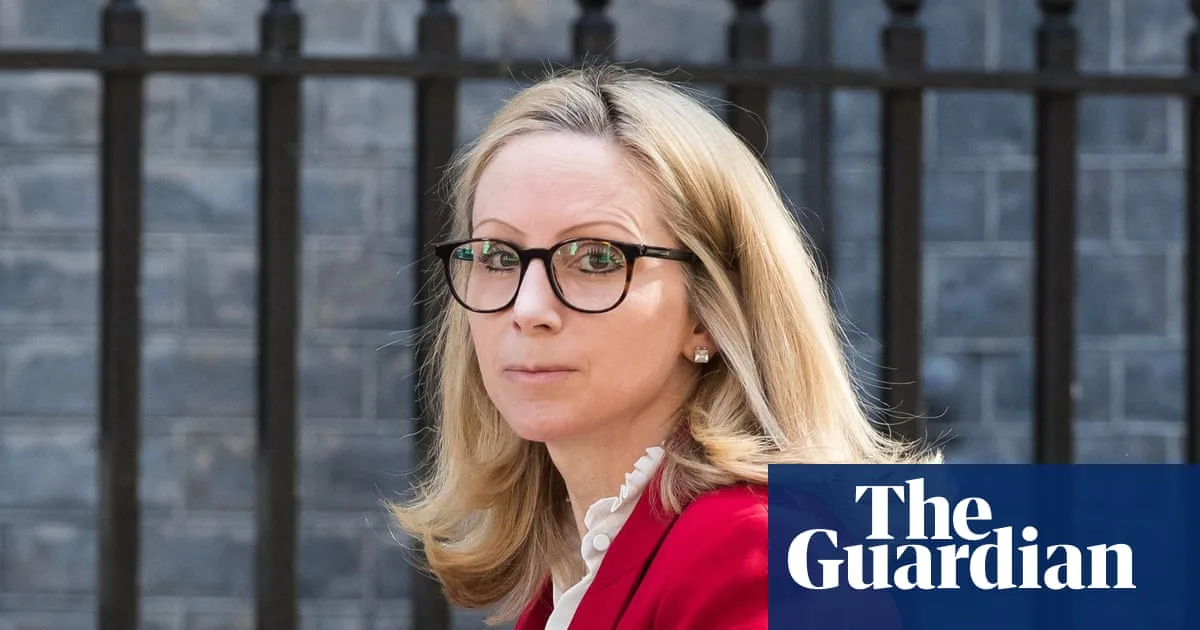
New research has revealed significant public backing for student debt relief measures, with almost half of British adults expressing support for the government writing off some or all outstanding student loans. The findings emerge amidst growing controversy surrounding Chancellor Rachel Reeves' decision to freeze the salary threshold for Plan 2 student loan repayments, a move that has drawn sharp criticism from consumer champion Martin Lewis.
Polling Reveals Strong Support for Debt Relief
A comprehensive YouGov survey has found that 44% of British adults believe the government should write off some or all student debt, with this figure rising to 55% among university graduates specifically. Among those who support at least partial debt cancellation, more than a third (36%) advocate for complete write-offs of all outstanding student loans.
The polling also indicates widespread concern about the current cost of higher education, with nearly seven in ten Britons (70%) describing the £9,000 annual tuition fee as "too high." Similarly, the current 6% interest rate on student loans faces substantial public criticism, with many respondents expressing concern about the financial burden this creates for graduates.
Funding Debate Continues
Despite support for debt relief measures, the survey reveals ongoing debate about university funding models. A majority of respondents (55%) maintain that students themselves, rather than taxpayers, should bear the primary responsibility for funding higher education. This apparent contradiction highlights the complex public attitudes toward education financing in contemporary Britain.
Threshold Freeze Sparks Controversy
The polling data emerges alongside growing controversy surrounding Chancellor Rachel Reeves' autumn budget announcement that the Plan 2 student loan repayment threshold will be frozen for three years starting in April 2027. This decision means the repayment trigger will remain fixed at £29,385 rather than increasing with inflation as previously expected.
Martin Lewis, founder of Money Saving Expert, has launched a strong critique of this policy, describing the threshold freeze as "not a moral thing to do." Lewis argues that the government is unfairly altering the terms of what he considers contractual agreements that young people have already entered into when taking out student loans.
Contractual Concerns Raised
Lewis maintains that student loans should be treated as legally binding contracts rather than flexible taxation measures, despite the government's tendency to approach them as the latter. He expressed serious concern that this move establishes a precedent where student debt becomes "a flexible levy that can be adjusted at the government's whim," creating uncertainty for borrowers.
"I do not think it is a moral thing for you to do to be freezing the repayment threshold in this way," Lewis stated publicly. "You didn't say the terms were variable. This isn't right. Please have a rethink." He added that such unilateral changes to contractual terms would not be permitted for commercial lenders under existing consumer protection laws.
Government Defends Policy Approach
Chancellor Rachel Reeves has defended the threshold freeze as "fair and proportionate," emphasising the progressive nature of the student loan system. "It is important that you don't have to start paying back the student loan until you earn enough money," Reeves explained. "That is the point of the student loan system - that you get the loan, you get that great university education and you only pay it back if you can afford to do so."
The Chancellor highlighted the existing safety net within the system, noting that "after a period of time, that gets written off entirely. So if you are able to get a job that pays a good wage, you'll pay that money back quicker but if you're never able to repay, that loan will eventually be written off. I think that is a fair system."
Broader Implications for Higher Education
The debate surrounding student debt relief and repayment thresholds occurs against a backdrop of broader questions about the sustainability of higher education funding in the United Kingdom. With tuition fees remaining at historically high levels and interest rates adding to graduate debt burdens, policymakers face increasing pressure to develop solutions that balance accessibility, fairness, and fiscal responsibility.
As the April 2027 implementation date for the threshold freeze approaches, both public opinion and expert commentary suggest this issue will remain a significant point of contention in British education and economic policy discussions.