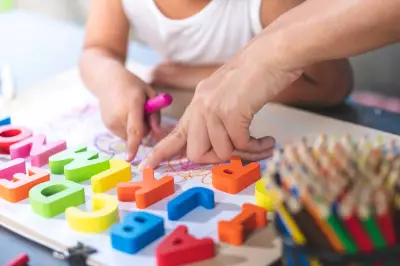
In a pioneering move to safeguard its future, Finland is formally educating children as young as three years old on how to identify fake news and disinformation. This initiative forms a core part of the country's long-standing national curriculum, designed to build societal resilience from an early age.
A National Curriculum for Critical Thinking
The strategy is not a new pilot project but an established educational pillar. Finnish schools have integrated media literacy teaching across subjects for years, aiming to equip every citizen with the critical skills needed to analyse information. The programme is considered vital for both national safety and the health of its democracy.
This focus has taken on heightened urgency given Finland's extensive border with Russia. Since the invasion of Ukraine, Finnish authorities have noted intensified Russian disinformation campaigns aimed at shaping public opinion and sowing division. The education system is viewed as a primary line of defence.

The New Frontier: AI Literacy in the Classroom
As technology evolves, so does the threat. Finnish educators are now tasked with a new challenge: integrating artificial intelligence (AI) literacy into their teaching. The goal is to help students understand and identify AI-generated fake content, such as deepfake videos and synthetic text, which is becoming increasingly sophisticated.
Teachers like Ville Vanhanen, a teacher and vice-principal at Tapanila Primary School, are on the front lines. He was pictured leading a media literacy class for fourth-grade students, embodying the hands-on approach Finland is famous for. The updated curriculum recognises that the tools of misinformation are advancing, and citizens' skills must advance in tandem.
Why Finland Leads in Media Literacy
Finland's proactive approach has yielded significant results. The nation consistently ranks at the top of European media literacy indices, a testament to its comprehensive and early-start strategy. Experts warn that the task of identifying misinformation is only growing more complex as AI technology becomes more accessible and powerful.
By starting the education process in preschool, Finland instils a mindset of healthy scepticism and source verification before children even learn to read fluently. This foundational work prepares them to navigate the complex digital landscape of their teens and adulthood. The message is clear: in the modern world, the ability to distinguish fact from fiction is as fundamental as reading and writing.
The Finnish model demonstrates that defending a society against hybrid threats begins not just at the border, but in the classroom. As other nations grapple with the corrosive effects of online disinformation, Finland's investment in its youngest citizens offers a compelling blueprint for building a more informed and resilient public.