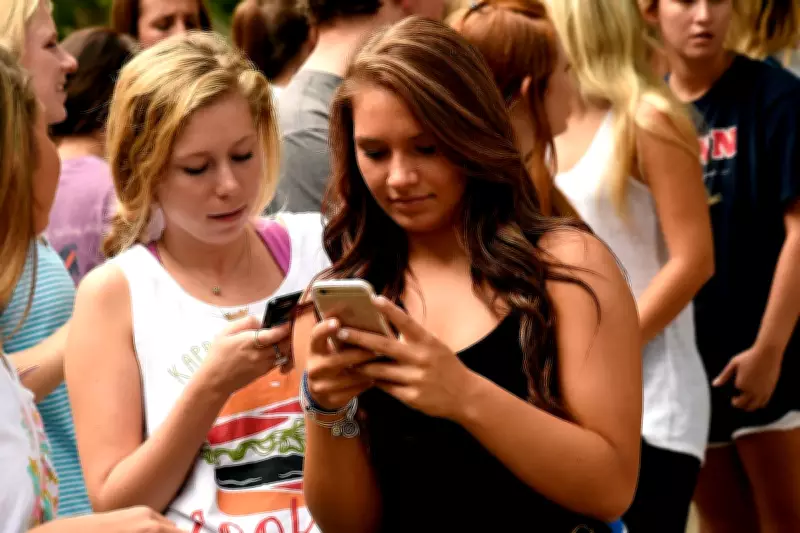
A comprehensive new study involving nearly 65,000 U.S. college students has uncovered a troubling link between social media usage and feelings of loneliness. The research, which surveyed individuals aged 18 to 24 across more than 120 colleges, indicates that spending as little as two hours per day on various platforms can significantly increase the risk of loneliness among this demographic.
Alarming Statistics from the Study
The findings reveal that only 16 hours of weekly social media engagement was sufficient to elevate loneliness risks. Approximately 13 percent of the surveyed students reported using social media for at least this amount of time. More strikingly, the heaviest users—those who spent upwards of 30 hours weekly on these platforms—were 38 percent more likely to report experiencing loneliness.
Health Implications of Loneliness
Dr. Madelyn Hill, now an assistant professor at Ohio University and a contributor to the study, emphasized the severe health consequences associated with loneliness. "We know that people who are lonely are more likely to become depressed," she stated. "We also know that those who are lonely are more likely to die early."

Research suggests that loneliness poses health risks comparable to smoking, serving as a significant risk factor for numerous conditions. These include heart disease, type 2 diabetes, depression, anxiety, dementia, suicidal thoughts, and premature death.
Broader Context of Loneliness in America
Loneliness is a pervasive issue affecting over half of Americans, according to a 2025 report from the American Psychological Association. Adults under 30 are among the age groups most susceptible to these feelings, with more than half of the study's respondents reporting loneliness. This demographic is also more inclined to turn to drugs or alcohol when experiencing such emotions.
The Dual Role of Technology
Technology, particularly social media, presents a paradoxical effect on social connections. Dr. Saul Levin, CEO of the American Psychological Association, explained, "In some cases, it seems to be helping us reach people who become part of our inner circles or to communicate with those who already are."
However, he cautioned, "Distracting yourself when you're feeling lonely with social media might be a double-edged sword: while it can connect, it can also lead to feelings of missing out, and we need to make sure we remain conscious of its effects on our mood."
Study Insights and Recommendations
The authors of the study suspect a bidirectional relationship: excessive social media use may lead to loneliness, and loneliness might drive increased social media consumption. They also noted that some students likely underestimated their time spent on these platforms.
In response to these findings, the researchers have called on academic institutions to take proactive measures. They advocate for better education on the potential negative impacts of social media and encourage colleges to promote social events on campus to foster real-world connections.
Importance of Support During Young Adulthood
Dr. Hill highlighted the critical nature of this life stage, stating, "Young adulthood is a time of many changes, from leaving home for the first time, to starting college and forming new friendships, and it is vital that colleges and universities do all they can to help their students forge connections with others."
This study underscores the urgent need for awareness and intervention to mitigate the loneliness epidemic exacerbated by digital habits among college students.