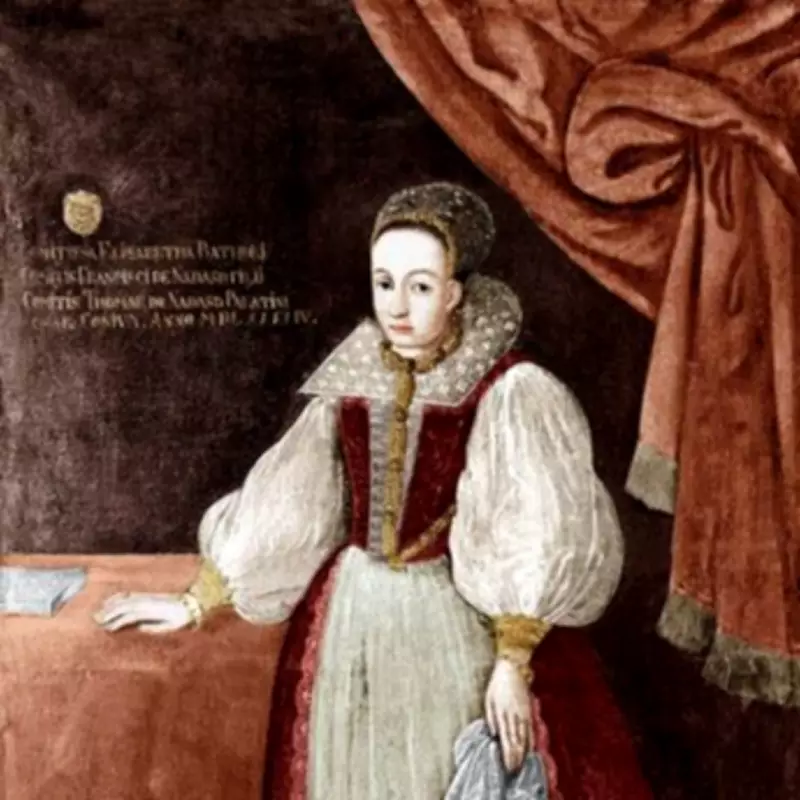
For centuries, the name Elizabeth Bathory has been synonymous with monstrous cruelty, branded throughout history as the 'Bloody Countess' and accused of being the most prolific female serial killer ever recorded. The traditional narrative alleges she murdered up to 650 young women between 1590 and 1610, with gruesome tales claiming she even bathed in their blood to preserve her youth. Yet a compelling new academic perspective is dramatically rewriting this dark chapter, arguing that Bathory was not a murderer but a secret hero—a religious rebel, smuggler, and radical feminist educator who used her wealth to protect and educate vulnerable women.
A Legacy of Infamy and Execution
The legend of Elizabeth Bathory's atrocities circulated widely throughout the Kingdom of Hungary during her lifetime. She and four of her servants faced accusations of slaughtering hundreds of girls, leading to the brutal execution of the servants. Bathory herself avoided execution but was confined to her residence at Čachtice Castle, located in what is now Slovakia, until her mysterious death in 1614. Her story has captivated generations, with many scholars suggesting she inspired characters like the Evil Queen in the Brothers Grimm's Snow White and even influenced Bram Stoker's Dracula and other vampire lore.
Academic Reassessment Challenges Centuries of Belief
In 2024, Dr Annouchka Bayley, an associate professor at the University of Cambridge, made headlines by asserting that Elizabeth Bathory was genuinely innocent of these horrific crimes. Dr Bayley proposes a radically different interpretation of Bathory's life, painting her as a religious dissident, a smuggler of forbidden books, and a pioneering feminist who leveraged her considerable fortune and castle to establish a sanctuary and school for young women.

Dr Bayley explained her findings to the BBC, questioning the practicality of the murder allegations: "I mean, who has the time in one lifetime to, one by one, kill 650 young women? I mean she would have been a busy girl. I dug and I dug and all of those 650 women belonged to one particular class of young women who were basically the people who lived in that region before the Hungarians came."
She elaborated on the social context, noting these women were from noble families dispossessed of their properties, occupying a "liminal and bizarre space" in society. With many men dead due to the wars of the era, they were often unmarried and vulnerable. "You've got a bunch of unmarriageable teenage deposed noblewomen. So what Bathory did was set up a school to teach them how to read and offered them sanctuary. She basically sets up an institute, which is something I love because I work in education," Dr Bayley stated.
Evidence of Smuggling and Protection, Not Murder
Supporting her theory, Dr Bayley points to the scant physical evidence of murder at Čachtice Castle, with only a single corpse reportedly found there. She suggests whispers of caskets being moved through secret tunnels actually indicate that the 650 girls were not killed but were smuggled from the castle to safety elsewhere. Furthermore, the academic believes Bathory was producing religiously rebellious texts, which were clandestinely transported out alongside these young women for their protection.
Historical Debate Continues
Despite this provocative reassessment, Dr Bayley's theory remains just one interpretation among many. Numerous other historians continue to maintain that Elizabeth Bathory was, indeed, culpable of serious crimes, though they often concede that the number of victims was likely exaggerated and the blood-bathing allegations are improbable. The debate highlights the complexities of historical interpretation and the enduring fascination with a figure whose true story may forever be shrouded in mystery and conflicting narratives.