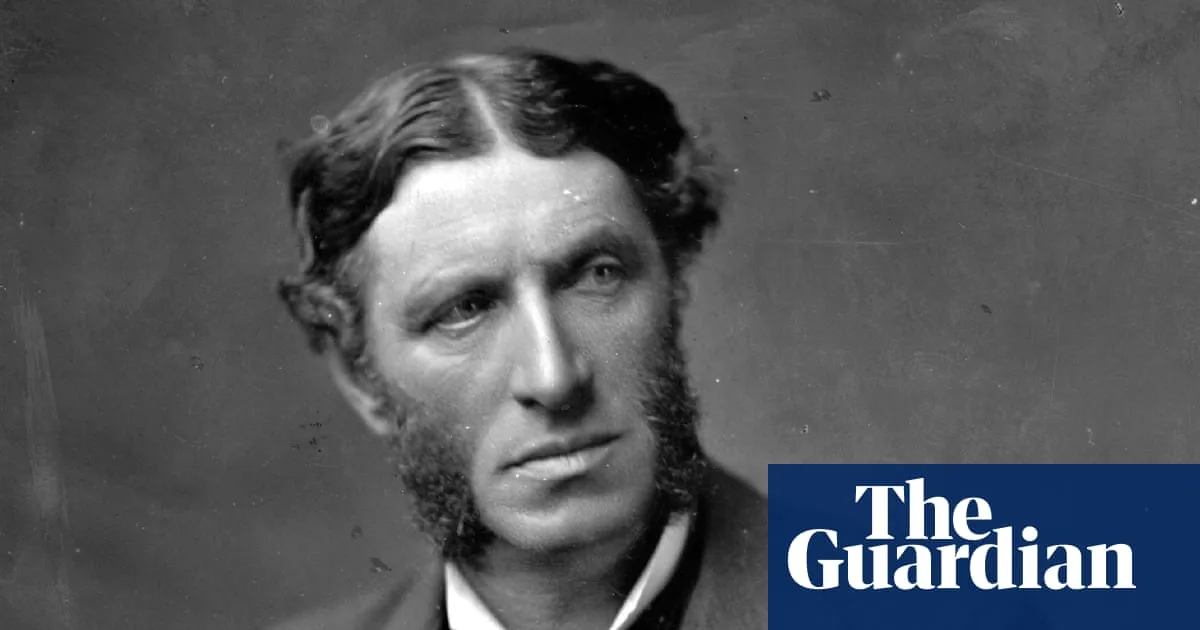
Patrick Wintour’s recent article on Donald Trump and international law began with a quotation from Antonio Gramsci: “The old world is dying, and the new world struggles to be born.” A reader, Hugh Macmillan of Dorchester on Thames, Oxfordshire, notes that this idea is often attributed to Gramsci but suggests the Italian Marxist may have been aware of Matthew Arnold’s lines: “Wandering between two worlds, one dead / The other powerless to be born…”
In other correspondence, a reader proposes that before renaming Washington as Trumpton, the US president should listen to the 1985 song “Trumpton Riots” by Half Man Half Biscuit. The song warns of Chippy Minton’s socialists storming the market square and assassinating an autocratic figure.
Another letter highlights a spoof sign in Stamford: “On this site Sept. 5, 1782 nothing happened.” The sign appears to be a playful example of the kind mentioned in a recent article about confusing signs in Christchurch.

Regarding a letter about life stages and not having seen the best TV shows of 2025, Ian Harley of Fair Oak, Hampshire, adds a further stage: being unable to remember whether you have seen them.
Rhoda Koenig of London questions the phrasing in a recent article about Nigel Farage, which referred to victims being “on the wrong end of racist or antisemitic abuse.” She asks: “Is there a right end?”
Finally, Dr John Doherty of Stratford-upon-Avon notes that Kemi Badenoch was the only party leader to mention the birth of Christ in her Christmas message, asking: “Have the Tories found a saviour?”