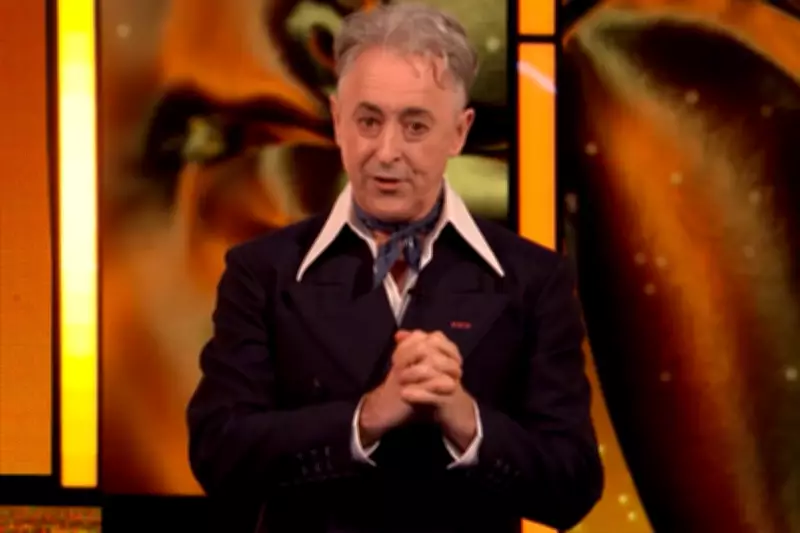
Alan Cumming, the host of the Bafta Film Awards, has issued a public apology following a distressing incident during the ceremony, which he labelled a "trauma-triggering s***show." The controversy arose when a racial slur was broadcast, causing significant upset among viewers and participants alike.
Incident Details and Broadcast Error
During the awards, campaigner John Davidson, who has Tourette's syndrome, involuntarily shouted a racial slur while actors Delroy Lindo and Michael B Jordan were presenting an award. The ceremony was pre-recorded, but the BBC aired the offensive remark in what it later described as an "error." This broadcast mishap has sparked widespread criticism and calls for accountability.
Apologies and Responsibility
Cumming expressed deep regret, apologising specifically to Black people and the Tourette's community for the pain caused and the lack of understanding surrounding the condition. In his statement, he emphasised that the incident highlighted systemic failures in handling such sensitive situations.

Both the BBC and Bafta have taken responsibility for the debacle. The BBC issued an apology, acknowledging that the slur was aired mistakenly, while Bafta accepted "full responsibility" and announced it is launching a comprehensive review to prevent similar occurrences in the future. This review aims to address protocols for editing and broadcasting pre-recorded events involving individuals with conditions like Tourette's syndrome.
Campaigner's Distress and Coprolalia
John Davidson, who suffers from coprolalia—a symptom of Tourette's syndrome characterised by involuntary outbursts of offensive language—expressed being "upset and distraught" over the incident. He revealed that he had been assured his involuntary tics would be edited out of the broadcast, making the airing of the slur particularly devastating for him and his community.
This assurance, which was not honoured, has raised questions about the production team's sensitivity and preparedness. Davidson's experience underscores the challenges faced by individuals with Tourette's syndrome in public settings and the importance of proper accommodations in media broadcasts.
Broader Implications and Reactions
The incident has ignited discussions about disability awareness, racial sensitivity, and media ethics. Many have criticised the lack of oversight that allowed such a harmful mistake to occur, calling for stricter editing processes and better training for production staff.
In response, Cumming and other stakeholders have vowed to learn from this episode, emphasising the need for greater empathy and understanding in the entertainment industry. The Bafta review is expected to lead to new guidelines to protect both participants and audiences from similar trauma in future broadcasts.
As the fallout continues, this event serves as a stark reminder of the responsibilities media organisations hold in shaping public discourse and the profound impact of their errors on marginalised communities.