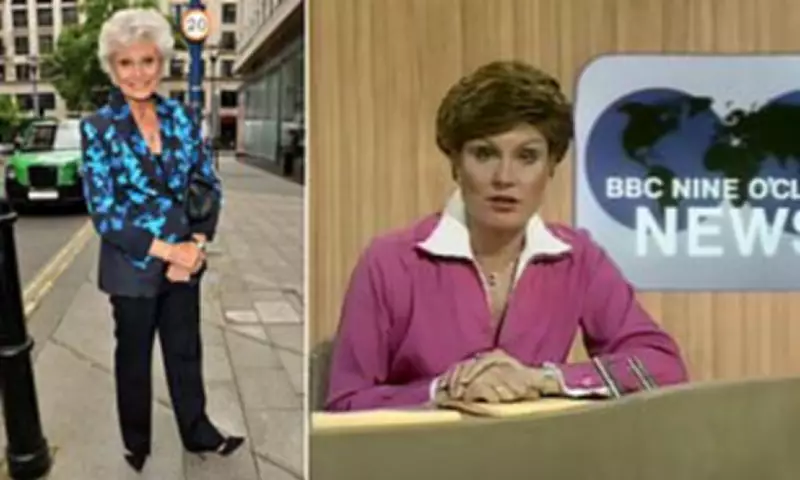
Veteran television presenter Angela Rippon has disclosed a distressing encounter with her former BBC boss, who allegedly instructed her to leave television at the age of 50 to create opportunities for younger women. The beloved broadcaster, now 81, recounted this incident during an appearance on the White Wine Question Time podcast, where she detailed the conversation with then Director-General John Birt.
A Shocking Revelation from the BBC's Top Brass
According to Rippon, Birt told her directly, "you've had your day and it's time to make way for younger women." This statement came after she approached him with concerns about being removed from several programs by a department controller who reportedly did not appreciate her on-screen presence. Rippon explained that she lost two significant presenting roles and sought Birt's intervention, only to receive this dismissive response.
Confronting Sexism in Broadcasting
In a bold retort, Rippon challenged Birt's stance by highlighting the continued careers of older male colleagues at the time. "I remember asking him if he was having the same conversation with Terry Wogan or Michael Parkinson," she stated, listing men who were considerably older than her. She emphasized that Birt was not addressing them, labeling his comment as "very misogynistic" and factually incorrect, given her enduring career into her eighties.

Reflections on a Changing Television Landscape
Angela Rippon, who rose to fame in the 1970s hosting iconic shows like Top Gear, Antiques Roadshow, and the Nine O'Clock News, also shared her views on the evolution of television. She noted that today's plethora of channels contrasts sharply with the limited options of past decades, when shared viewing experiences created "watercooler moments." However, she expressed concern over modern trends, criticizing what she perceives as excessive "wokeism" in contemporary programming.
Nostalgia Versus Modern Sensibilities
Rippon pointed to classic comedies such as Fawlty Towers as examples of content that would likely not be produced today due to changing social norms. "There's a lot of stuff we were laughing at then that no television producer would put out now," she observed, underscoring the shift in industry standards and audience expectations over the decades.
This revelation adds to ongoing discussions about ageism and sexism in the media industry, highlighting the challenges faced by veteran female broadcasters. Rippon's resilience and continued presence on screen serve as a testament to her enduring talent and the inaccuracy of Birt's premature assessment.