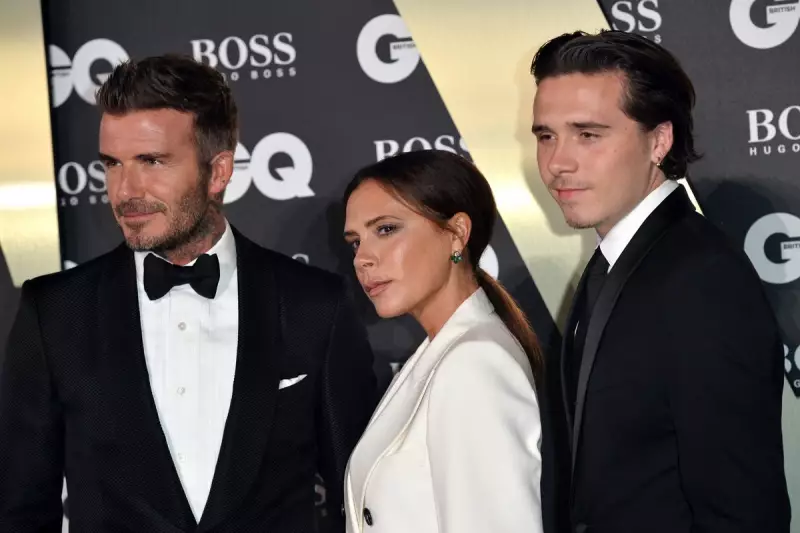
Brooklyn Beckham's Public Family Rift: A Tale of Privilege and Pain
Brooklyn Beckham, the 26-year-old eldest son of football icon David Beckham and fashion designer Victoria Beckham, hardly seems an obvious candidate for public sympathy. Born into immense wealth, global fame, and boundless opportunity, his life appears gilded from the outside. Yet, his recent, explosive social media statement, in which he levelled serious allegations against his family, particularly his mother, has sparked a complex conversation about the hidden disadvantages of such extreme privilege.
The Viral Statement That Shook Brand Beckham
On a recent Monday evening, Brooklyn Beckham broke his silence to his 16 million Instagram followers. In a raw, unvarnished written post, he declared he would not be reconciling with his family and was "standing up for myself for the first time in my life." The statement, devoid of any apparent public relations polish, accused his family of spreading lies in the media and attempting to derail his wedding to actress Nicola Peltz.
Most strikingly, he claimed his mother, Victoria, "hijacked" his first dance at his wedding, dancing "very inappropriately" with him instead of his wife. The tone was one of long-simmering resentment, painting a picture of a family where "Brand Beckham comes first" and familial affection is measured by social media promotion and photo opportunities.

The Bleak Reality Behind the Viral Memes
While the internet has revelled in the schadenfreude, generating countless memes and jokes, the episode points to a much darker truth. For Brooklyn, this public airing of grievances is the culmination of a lifetime lived as a commodity within a meticulously managed global brand. The statement reads as the desperate act of a young man feeling he has no other avenue to be heard, perhaps typed impulsively after years of private frustration.
The public's glee, in part, stems from decades of having "Brand Beckham"—a construct of perfect family unity, style, and success—force-fed through documentaries, fashion shows, and endless curated imagery. If that curated perfection feels oppressive to the public, imagine the psychological weight for someone born into it, for whom it has defined his entire existence.
A Childhood Without Choice?
This raises profound questions about agency and identity. Was Brooklyn ever given a genuine choice about whether he wanted to be famous? Growing up with paparazzi attention focused on your parents is challenging enough, but if, as he alleges, he was pushed into the limelight to uphold the family brand rather than protected from it, a deep-seated rebellion becomes understandable.
His claims that his parents attempted to get him to sign over the rights to his own name underscore a perception of being traded as an asset. This context makes his failed ventures into photography and cooking—efforts to find purpose and an identity separate from his surname—all the more tragic. Each attempt turned him into a public laughing stock, trapping him in a classic double bind: success would be attributed to his name, failure to his own inadequacy.
Finding Belonging and Facing Isolation
His relationship with Nicola Peltz appears to have been a watershed, potentially offering him a sense of self and belonging outside the Beckham orbit. It is logical he would prioritise this bond. However, at just 26, relying solely on a romantic partnership for support is precarious, especially in the volatile world of celebrity. His scorched-earth approach to his birth family risks leaving him profoundly isolated if that relationship were to falter.
By publicly burning bridges with his parents and siblings, he may have created a rift with no clear path to reconciliation. This estrangement could foster lasting anger and complicate future relationships, especially if he has children of his own.
A Sorry Tale With No Winners
Ultimately, this is a story with no victors. It is a sad spectacle of family trauma becoming public sport, where social media users are encouraged to pick sides between "Team Brooklyn" or "Team Beckham." Neither dynamic is healthy or normal.

While some may argue that by posting his plea for privacy on social media, Brooklyn perpetuated the very cycle he decries, it is profoundly telling that he felt this was his only viable platform. He was raised in a culture where everything, including personal pain, is fodder for public consumption. His statement, therefore, is a product of that environment.
Children deserve the right to grow up away from the cameras, and family conflicts should not be spectator events. One can acknowledge Brooklyn Beckham's immense privilege while also recognising a profound sadness in his situation—a young man, seemingly lost, using the only language he has been taught to try and reclaim his own narrative. In the end, one can feel sorrow for all involved in this deeply public and painful family breakdown.