Emily Atack has once again captured public attention with a provocative new campaign that continues her journey of post-motherhood self-expression. The 36-year-old actress, who previously broke the internet with her naked tennis scene in The Rivals, has been unveiled as the latest brand ambassador for British lingerie label Agent Provocateur.
A Dramatic Departure From 'Mumsy' Style
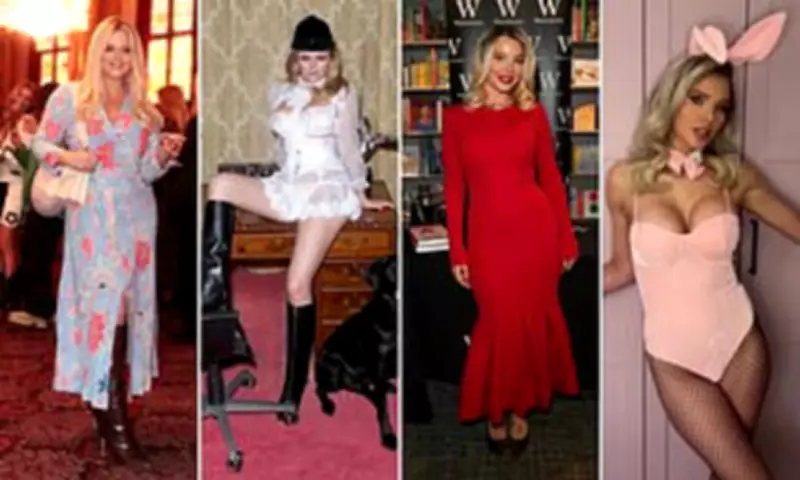
The photoshoot represents a significant departure from the more conservative outfits Atack favoured after welcoming her first child, Barney, in 2024. In the latex-heavy campaign images, the actress poses seductively on a tractor and a Rivals-themed saddle while holding a riding crop, creating what has been described as a bondage-themed aesthetic that nods to her television role.
This transformation comes after what Atack described as a period of embracing 'mumsy' fashion following her son's birth. "I hate the idea that if you say something is a ‘mumsy outfit’, you automatically think it’s frumpy and boring," she told Stylist magazine. "I think we should own ‘mumsy’ – I love dressing that way. I feel really feminine, more relaxed and comfortable in my own – slightly stretched – skin."

Reclaiming Ownership After Motherhood
Renowned psychologist Dr Madeleine Roantree has analysed this phenomenon, telling The Daily Mail that such displays can represent a way of "reclaiming ownership and redefining desirability" after pregnancy. "Many women experience a period of being desexualised, with their bodies viewed as functional rather than personal," she explained.
Dr Roantree added that for some women, adopting a more uninhibited style is less about appearance and more about reconnecting with their bodies after intense public scrutiny. "I think more women are rejecting the outdated notion that becoming a mother means becoming less sexual. Instead, they’re showing that motherhood can deepen body awareness, and sometimes even confidence, rather than erase it."
Celebrity Mothers Embracing Postpartum Confidence
Atack is far from alone in this journey of post-motherhood self-reclamation. Several other high-profile British women have publicly embraced their sexuality after childbirth, challenging traditional expectations about how mothers should present themselves.
Helen Flanagan's Defiant Stance
Former Coronation Street star Helen Flanagan, mother to three children, has remained defiant against critics who suggest motherhood and sexuality are mutually exclusive. The 35-year-old frequently shares racy photographs online, including dressing as a sexy Easter bunny and modelling festive lingerie for Ann Summers.
"As women, we should support and empower each other and, more importantly, be kind to each other as women," Flanagan declared last March when addressing online trolls. "That is what I would teach my daughters."
Daisy Lowe's Journey of Self-Love
Model Daisy Lowe has spoken extensively about "rediscovering my femininity" after giving birth to her daughter Ivy in April 2023. She has shared numerous photographs in silky lingerie sets and swimwear, including an unedited bikini selfie that received widespread praise from fans for promoting body positivity.
Rosie Huntington-Whiteley's Humbling Experience
Former Victoria's Secret Angel Rosie Huntington-Whiteley experienced particular pressure to "bounce back" after giving birth in 2017. The Devon-born model described pregnancy as "humbling" but ultimately empowering, telling Ashley Graham's podcast: "By the end I just felt really empowered in my body but it took a minute to get there. It took a full year."
From Insecurity to Empowerment
The journey toward post-motherhood body confidence hasn't been immediate for all celebrities. Victoria Beckham once admitted she didn't feel "confident enough to sit on a beach and watch her children play" as a new mother in the early 2000s, after facing intense media scrutiny about her postpartum body.

However, the popstar-turned-fashion designer has since embraced her sexuality, telling Grazia magazine: "For quite a few years, the more time I spent working in fashion, the more clothes I wore and I ended up buried under all these ‘fashion’ layers. So last year, when I was in Miami and starting to go out again post-Covid, I wanted a change. I wanted to feel sexy again."
Liv Tyler's Liberating Perspective
American actress Liv Tyler offered similar insights after fronting a lingerie campaign for Triumph Essence just one year after giving birth to her third child. "The first few weeks of motherhood are such a beautiful time, and so why should women feel all this terrible pressure of getting their shape back so fast?" she questioned in a 2007 interview with Woman's Day magazine.
Tyler described taking her time with postpartum recovery as "a very liberating feeling," adding that she eventually reached "probably the best shape of my life" without dieting or struggling.
A Cultural Shift in Motherhood Representation
This growing movement represents a significant cultural shift in how society views motherhood and sexuality. Rather than feeling pressure to conform to traditional "mumsy" stereotypes or rapidly "bounce back" to pre-pregnancy bodies, these women are defining confidence and desirability on their own terms.
For Emily Atack specifically, this journey follows her star-making turn on The Inbetweeners that exposed her to relentless online abuse, harassment, and misogyny. Her current embrace of provocative imagery represents what she describes as reclaiming her body and giving herself agency over her own representation.
As Dr Roantree summarised, embracing a sexier postpartum image can be about "redefining what confidence and desirability look like on their own terms, rather than responding to pressure to ‘bounce back'." This perspective is gradually transforming public conversations about motherhood, body image, and female sexuality in contemporary British culture.