Grammys 2026: Music Industry Escalates Cultural Revolt Against Trump Immigration Policies
The 2026 Grammy Awards became the latest flashpoint in the growing cultural resistance against the Trump administration's immigration enforcement measures, forcing artists to confront difficult decisions about political expression during entertainment's most glamorous season.
Red Carpet Resistance Takes Center Stage
As music's elite gathered for the prestigious ceremony, activists had spent the preceding week intensifying pressure on celebrities to visibly oppose U.S. Immigration and Customs Enforcement operations. Organizers distributed protest pins and worked directly with artists' teams to amplify their message throughout the numerous pre-Grammy events leading to Sunday's main ceremony.
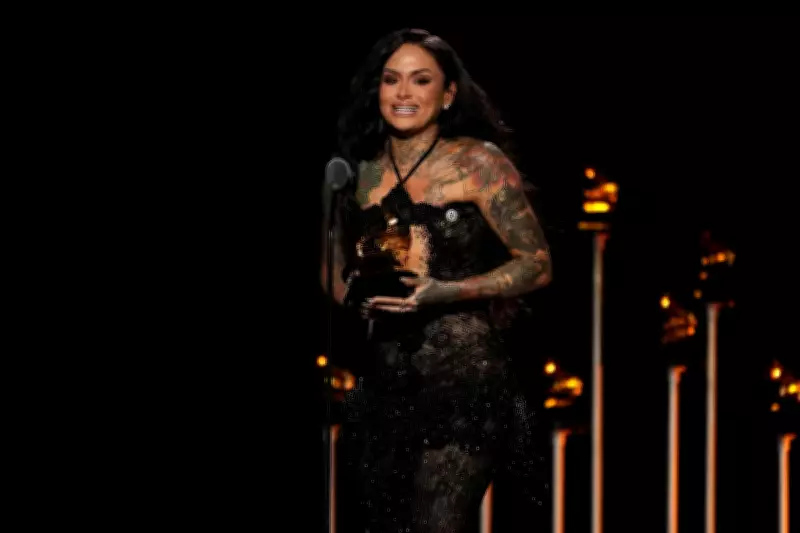
The results were markedly more visible than at last month's Golden Globes, with numerous high-profile artists incorporating political statements into their red carpet appearances and acceptance speeches. Jason Isbell, Margo Price, Kehlani, and Rhiannon Giddens were among those wearing protest apparel, while Kehlani delivered an explicit condemnation of ICE during her acceptance speech for best R&B performance.

Artists Explain Their Motivations
Justin Vernon of Bon Iver, nominated for best alternative music album, wore a whistle to honor legal observers documenting federal agents' actions in communities. "I think there's a reason that music exists and it's to heal and to bring people together," Vernon told The Associated Press. "But the real work are those observers on the ground in Minneapolis. We just want to want to shout them out."
Mexican American singer Becky G had delivered an earlier protest message through the nail art she wore to the MusiCares Person of the Year gala, explicitly referencing ICE in her design.
Growing Backlash Fuels Celebrity Engagement
Community organizers attribute the increased celebrity participation to mounting public outrage following several high-profile incidents involving immigration enforcement. The shooting death of 37-year-old nurse Alex Pretti by a Border Patrol officer, the detention of 5-year-old Liam Conejo Ramos, and the recent arrest of journalist Don Lemon have all contributed to growing national concern.
Jess Morales Rocketto, Executive Director of Latino advocacy group Maremoto, noted that the music industry's inherent rebelliousness made Grammy participants particularly receptive to protest messaging. "These are folks who are known for six-stage shows, crazy costumes, being kind of rebellious, punk rock — like that's the music industry," Rocketto observed. "These pins are about so much more than a red carpet moment. It's about people taking a stand and doing what they can to show up to say that ICE should be out of our communities."
Entertainment Industry's Broader Protest Movement
The Grammy protests followed similar actions at the Sundance Film Festival, where Natalie Portman, Olivia Wilde, and Zoey Deutch wore "ICE OUT" pins during their red carpet appearances. Deutch additionally wore a "BE GOOD" pin referencing Renee Good, who was killed by an ICE officer the previous month.
Wilde expressed the difficult emotional balance many artists faced: "It's really difficult to be here and to be celebrating something so joyous and beautiful and positive when we know what's happening on the streets. Americans are out on the streets marching and demanding justice, and we're there with them."
Portman became emotional when discussing her protest pin at her film premiere, stating: "I'm so lucky to be here in a joyful, creative community celebrating a movie we're really proud of. But it's impossible to ignore what ICE is doing to our country."
Industry Forces Complicate Political Expression
Despite the visible protests, Rocketto acknowledged that numerous industry pressures work against artists' political expression. The Grammys broadcast by CBS, recently taken over by David Ellison—son of billionaire Larry Ellison, a Trump supporter—creates potential corporate objections. Record companies, managers, fashion houses with red carpet deals, and corporate partners can all discourage visible protest.

"Maybe the design house that did their fashion deal for the red carpet didn't want them to literally poke holes in the dress," Rocketto noted. "There's like a million reasons for people not to do it."
Personal Risks for Latino Artists
The situation presents particular complexities for Latino artists, who might face personal dangers despite their celebrity status. Rocketto referenced Trump administration threats to place ICE agents at the upcoming Super Bowl halftime performance by Bad Bunny, describing him as "one of the most invincible" entertainers.
"The reality is that just because Latino artists are rich and famous, doesn't mean that they are exempt from the lack of safety that permeates so many Latinos and Latino families," she explained. "They themselves may be undocumented or only have a green card or have mixed status families."
As awards season continues, the tension between celebration and protest appears likely to intensify, with artists increasingly compelled to navigate the intersection of entertainment, politics, and personal conviction in the face of controversial immigration policies.