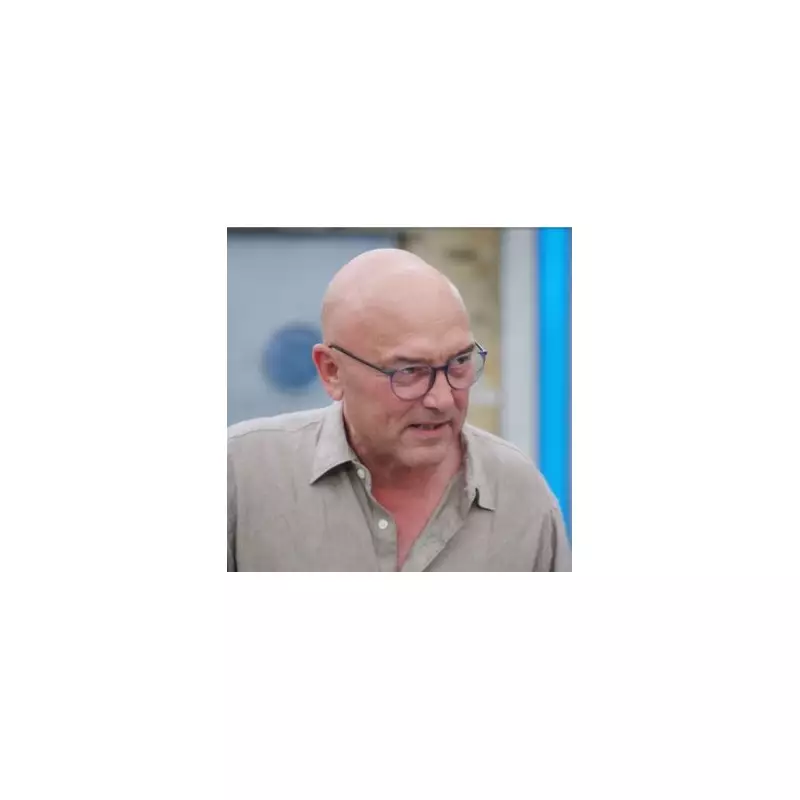
Gregg Wallace, the former face of BBC's MasterChef, appears to be charting a dramatically different course in his professional and personal life following his high-profile dismissal from the cooking show. With his television career in limbo, the 61-year-old presenter is now leveraging his fame on social media platforms and reportedly planning a significant relocation abroad with his family.
From TV Studios to TikTok Shop
The start of 2026 has marked a period of reinvention for Wallace, whose fall from grace came after allegations of misconduct led to his removal as a main host on MasterChef. With traditional broadcasting opportunities seemingly dried up, he has turned to digital avenues to maintain his public presence and income streams.
Most notably, Wallace recently surprised followers by promoting a range of non-stick ceramic pans through TikTok's shopping feature. The move generated mixed reactions from his audience, with some expressing disappointment while others defended his entrepreneurial spirit. "I really don't get all this negativity," one supporter commented online, highlighting the divided opinions about his new commercial ventures.

Diversifying Digital Presence
Beyond product promotion, Wallace is exploring multiple online channels. He continues to share content related to his health coaching business and participates in the personalised video service Cameo, where fans can pay for custom messages from celebrities. This multi-platform approach represents a significant shift from his previous role as a mainstream television personality.
Planning a Mediterranean Future
Perhaps more significantly, Wallace and his family are reportedly considering a permanent move to Italy. Sources suggest the presenter, his wife Anne-Marie Sterpini, and their four-year-old autistic son Sid are looking to relocate to Sterpini's homeland, a country Wallace has frequently praised in past interviews.
"I love Italy, the whole country's one fantastic restaurant," Wallace once remarked, expressing particular admiration for different regional characteristics. "I love it all: the south for the simplicity and beauty of its food, the middle for its history and the north for its style. I am going to retire there."
Ongoing Legal Battles
This personal and professional repositioning comes against the backdrop of Wallace's continuing legal dispute with the BBC. Days before reports of his potential relocation emerged, the presenter revealed that his legal team believes he has suffered a "terrible injustice" following his dismissal from MasterChef.
Wallace is currently pursuing legal action against the broadcaster, seeking unredacted copies of his personal data related to "his work, contractual relations and conduct" after his sacking in July. He has submitted a claim at the High Court for up to £10,000 in damages, alleging the BBC caused him "distress and harassment" through their handling of his data request.
Controversial Dismissal and Autism Disclosure
The presenter's removal from MasterChef followed an independent report that upheld more than forty allegations about his conduct on the show. These included one instance of unwelcome physical contact and three incidents of being in a state of undress. His co-host John Torode was also dismissed after an allegation regarding use of "an extremely offensive racist term" was substantiated.
In a significant development, Wallace has connected his behaviour on the show to his autism diagnosis, which he received at the beginning of last year. He has explained to followers how his neurodiversity influenced his conduct in the high-pressure television environment, noting that the independent investigation concluded his autism diagnosis was "highly relevant" to understanding his actions.
Neurodiversity in the Workplace
"My job was to be energised and excitable… and when we would go into the studio, first thing in the morning, the directors would whip you up," Wallace described, explaining how the production atmosphere combined with his autism could lead to missteps. "They would let you loose and you are not scripted so your chances of tripping up and saying something inappropriate is really high."

Wallace has criticised what he perceives as the BBC's failure to properly investigate or accommodate his neurodiversity during his two decades on MasterChef. Under the 2010 Equalities Act, employers have a duty to protect those with disabilities, including autism. In a statement following his dismissal, Wallace asserted: "My neurodiversity, now formally diagnosed as autism, was suspected and discussed by colleagues across countless seasons of MasterChef. Yet nothing was done to investigate my disability or protect me."
Broader Implications and Responses
The case has sparked wider conversations about neurodiversity in workplace environments, particularly in high-pressure industries like television production. Dan Harris, who runs the charity Neurodiversity in Business and is himself autistic, offered perspective on the situation, stating that while autistic individuals "may miss social cues sometimes," autism "is not a free pass for bad behaviour."
Harris cautioned that certain characterisations could "stigmatise us and add an unfortunate negative focus on our community," highlighting the delicate balance between understanding neurodiversity and maintaining professional standards.
As Wallace navigates his legal challenges while building a new life through digital entrepreneurship and potential international relocation, his story continues to unfold across multiple fronts. From TikTok product promotions to Mediterranean retirement plans and courtroom battles, the former MasterChef host's journey represents a complex case study in celebrity, controversy, and career reinvention in the modern media landscape.