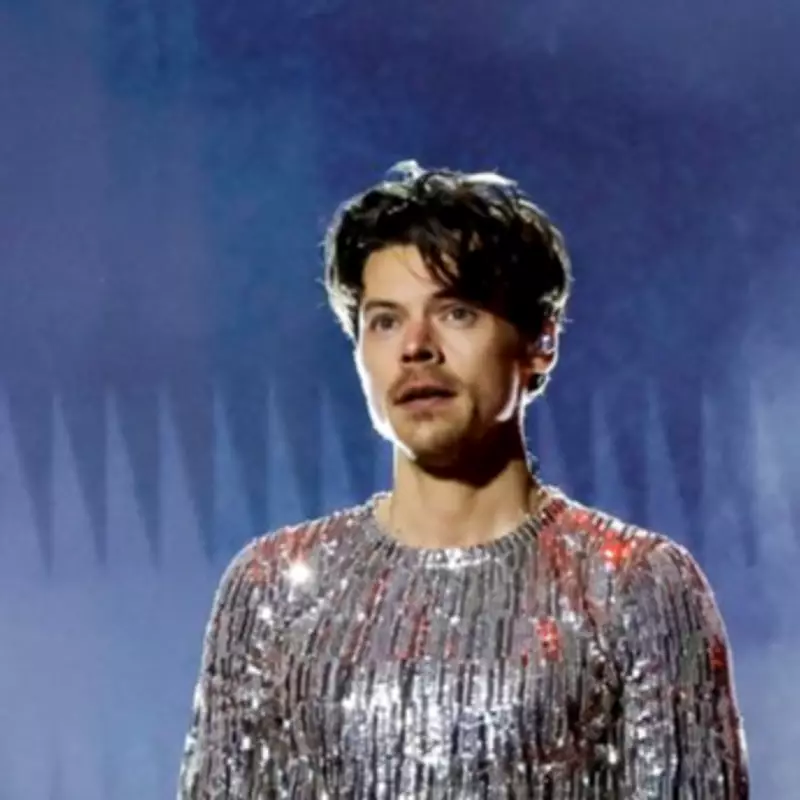
As a devoted Harry Styles enthusiast who has followed his journey from One Direction to global solo stardom, I eagerly secured tickets for his upcoming Together, Together residency tour. However, my excitement is tempered by deep concern over the staggering cost of admission, which threatens to exclude many loyal supporters from experiencing the magic of his live performances.
The Soaring Cost of Concert Experiences
Reflecting on past tours highlights a dramatic escalation in pricing. Back in 2017, attending Harry's debut solo show at the Eventim Apollo in Hammersmith cost approximately £50. Just three years ago, premium pod standing tickets near the front were around £150. Today, for the same privileged positions on the Together, Together tour, fans are facing demands of £279.45 for Disco Standing, £468.45 for the Kiss package, and an eye-watering £725.45 for the Together Package.
Even standard front general admission standing tickets command £198.95 before additional booking fees, with resale markets likely to inflate these figures further. While I'm fortunate enough to afford a standing ticket, this financial barrier creates an unfortunate divide between artists and their audience.

Questioning the Value Proposition
The premium packages do offer some additional perks including early entry, VIP laminates, exclusive merchandise, and photo opportunities at designated backdrops. When considering that tour merchandise like t-shirts typically costs around £50, these extras do add some tangible value. However, the absence of genuine artist interaction through meet-and-greet opportunities makes the premium pricing difficult to justify for many fans.
It's worth noting that dynamic pricing won't be implemented for this tour, meaning ticket costs won't surge based on demand as witnessed with recent Oasis reunion shows. While this provides some stability, the baseline prices remain prohibitively high for countless supporters.
Comparative Industry Perspectives
The contrast with other One Direction alumni is particularly striking. Solo tours by Louis Tomlinson, Niall Horan, and Zayn Malik have maintained significantly more accessible pricing structures. Interestingly, Zayn himself appeared to reference this disparity when addressing his own Las Vegas show attendees, expressing hope that their tickets "weren't too expensive."
Meanwhile, emerging artists demonstrate alternative approaches to fan accessibility. Only The Poets, who headline the O2 Academy Brixton this week, charged just £1 for tickets to their show, ensuring their music reaches the widest possible audience during a crucial career moment.
The Grassroots Connection
Harry has committed to donating £1 from every ticket sold to the LIVE Trust, which supports grassroots music venues across the United Kingdom. These intimate spaces serve as essential incubators for talent, having launched careers of major acts including The 1975, Arctic Monkeys, Oasis, The K's, and The Royston Club.
While this charitable contribution is commendable, given the substantial ticket revenues generated by a record-breaking twelve-night Wembley Stadium residency, many fans question whether more substantial support could be directed toward preserving these vital musical ecosystems.
The Accessibility Imperative
Harry Styles stands as one of the world's most prominent musical artists, demonstrated by his unprecedented Wembley Stadium booking. While £44.10 tickets are available in the stadium's furthest reaches, even these more affordable options represent significant expenditure for younger fans still in education.
Live music events foster community and connection, places where lifelong friendships form through shared artistic appreciation. The current pricing model risks transforming these communal experiences into exclusive privileges accessible only to those with considerable disposable income.
As someone who has attended multiple Harry Styles concerts across the country and would gladly do so again, I believe the music industry must prioritize accessibility. While understanding the economic realities of major touring productions, there must be balance between commercial viability and maintaining the inclusive spirit that makes live performances so special.