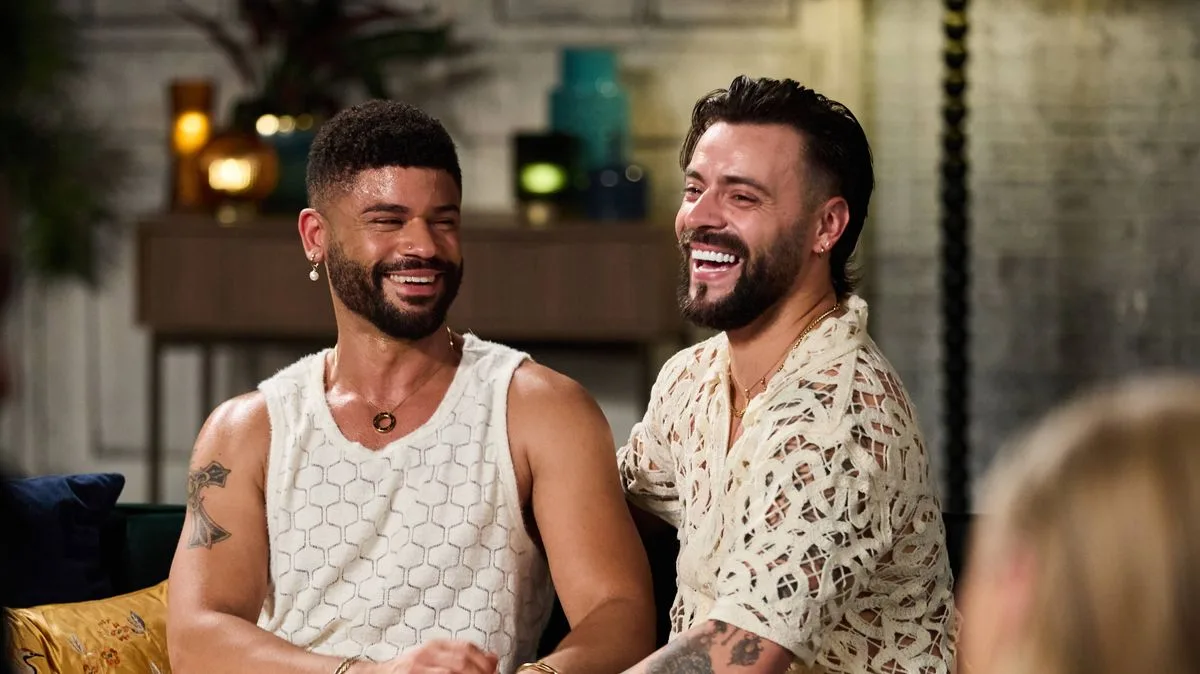
MAFS UK Star Keye Luke Reflects on Post-Show Silence and Mental Health Journey
Keye Luke, a prominent figure from the latest season of Married At First Sight UK, where participants marry complete strangers, has shared a deeply personal account of his experience as a gay man on the show and his subsequent mission for greater LGBTQ+ understanding. In an exclusive interview, Luke discusses the stark contrast between the affirming environment during filming and the challenging return to everyday life.
The Illusion of Visibility and the Need for Nuance
Growing up, Luke viewed television as a how-to-guide on being gay, relying on shows like Will and Grace, Queer Eye, and Big Brother for representation. However, he notes that these portrayals often felt limited, selecting only archetypes that were easily digestible to mainstream audiences. There is a critical difference between being included and being understood, Luke emphasises. For years, inclusion and visibility were seen as progress, but he argues that this is no longer sufficient. The LGBTQ+ community requires the full spectrum of personalities, contradictions, and dimensions, rather than mere caricatures.
The Pressure to Perform and the Aftermath of Filming
Entering Married At First Sight UK, Luke aimed to be authentic, hoping to be the person his younger self needed to see on screen. He admits to putting immense pressure on himself to serve as an example, carrying the weight of representing an entire community. On the show, he was loud and brash, sharing moments of excitement and vulnerability, such as his fascination with giraffes and emotional reactions to surprises. Yet, after a lifetime of tailoring his personality to fit different audiences, his mind eventually rebelled. The leading man walked off set, and the spotlight went out, leading to a severe depression that silenced his typically high-energy persona. He found himself bedridden, grappling with relentless thoughts to distinguish his true self from years of performance.
Finding Support and a New Purpose Through Activism
During his lowest points, Luke turned to MindOut, a mental health service run by and for LGBTQ+ individuals, which provided crucial support. In a meaningful act of resilience, he is representing the charity in the Brighton Half Marathon, viewing it as a symbol of movement after feeling stuck and strength after fragility. Every mile will be for the younger version of me who searched television for permission to exist, he states, dedicating his run to anyone who has ever felt simultaneously too much and not enough. This effort underscores his belief that visibility must be paired with tangible support systems to protect queer lives, not just celebrate them.
Embracing Wholeness Beyond the Screen
Luke concludes that representation on television can indeed shift life trajectories, but being understood holds far more power than simply being seen. His mental health journey has taught him that asking for help is an act of courage, not weakness. He vows to continue showing up as his multifaceted self—loud, soft, excitable, and vulnerable—rejecting archetypes in favour of authenticity. The most powerful thing any of us can be, on television or off, is whole, he asserts, advocating for a world where LGBTQ+ individuals are embraced in their entirety.
MindOut, the charity Luke supports, focuses on improving mental health and wellbeing within LGBTQ+ communities, making mental health a collective concern. Their work highlights the ongoing need for nuanced representation and robust support networks in media and society.