Mother's Unconventional Twin Naming Choice Divides Opinion Online
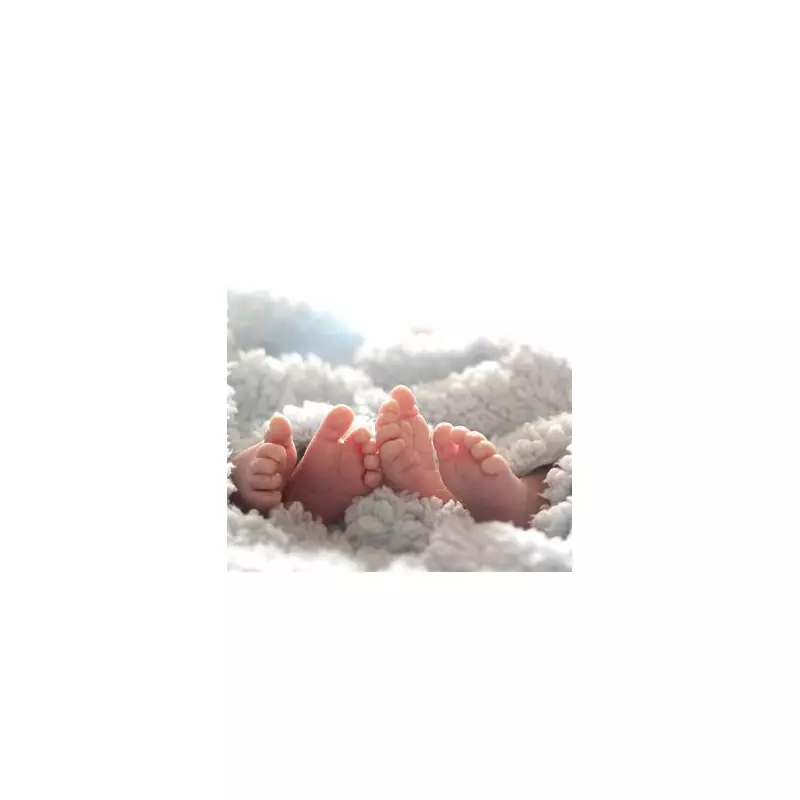
A mother has ignited a fierce online debate after revealing she gave her fraternal twin daughters deliberately matching names because she believed it sounded "cute". The parent explained that her twin girls are named Ireland and Iceland, while their older sister, aged thirteen months their senior, is called Iatli. This naming strategy has led to frequent assumptions from strangers that the three siblings are triplets, a misconception the mother reportedly enjoys.
Social Media Erupts Over Potential Future Problems
The revelation, shared on social media, prompted a wave of reactions ranging from amusement to serious concern. Many users questioned the practical implications of such distinctive names, particularly for the child named Iceland.
One critical commenter pointed out: "Not the worst, but imagine introducing yourself as Iceland. Even next to the siblings, that’s wild to me. I get that she wanted I names, but skipping over China, India and Asia - all common enough names - to get to Ireland and Iceland is insane."

Another user highlighted a potential geographical and commercial awkwardness, noting: "She’s going to have a bad time if she visits actual Iceland — or the UK, where Iceland is a budget supermarket chain." Observers suggested that while Ireland has some precedent as a first name or surname, Iceland is likely to provoke constant "WTF?" reactions, with one person sympathetically dubbing the child "Poor little Icy."
Alternative suggestions flooded in, with one person questioning: "She just had to misspell Italy? What’s wrong with Erin and Shannon?" while another joked about future sibling prospects: "Name the next one Ivory Coast."
A Parallel Tale of Naming Confusion Leads to HR Intervention
This controversy follows another recent viral story involving unconventional twin names that resulted in a workplace incident. A woman shared on Reddit how a colleague, after a long struggle with infertility, introduced her newborn twin boys to the office.
The team was left stunned when the mother revealed she had named both babies Sean. The twist lay in the spelling: one was spelled S-E-A-N and the other S-E-E-N, making them Sean and Seen. The confusion was compounded by the fact the mother's surname was also Sean, meaning the babies' full names were Sean Sean and Seen Sean.
When the story's author pointed out the unusual nature of this choice, the new mother reportedly defended it by comparing it to "Tom Tom or Jay Jay," suggesting she saw it as a quirky and endearing pattern.
The situation escalated when the co-worker laughed so intensely at the revelation that Human Resources had to intervene. HR reminded staff to maintain professionalism and sensitivity, especially given the emotional journey the new parent had endured. The woman later admitted to telling the mother, "That is the most idiotic thing I’ve ever heard, and it’s going to be so confusing," a comment for which she subsequently faced criticism from colleagues.
These twin naming sagas underscore a broader societal conversation about parental autonomy, the long-term impact of unusual names on a child's identity, and the fine line between personal choice and potential future social burden.