Prince Harry's Courtroom Image Crisis: From Royal to 'Prickly' Witness
Prince Harry's Courtroom Image Crisis: Royal to 'Prickly' Witness

Prince Harry's Courtroom Image Crisis: From Royal to 'Prickly' Witness

The Duke of Sussex's recent High Court appearance has created a striking visual and narrative disconnect between his carefully managed public persona and the reality captured within the courtroom's walls. While social media feeds present sun-drenched California perfection, the judicial setting reveals a markedly different portrait of the former royal.

The Unflattering Courtroom Canvas

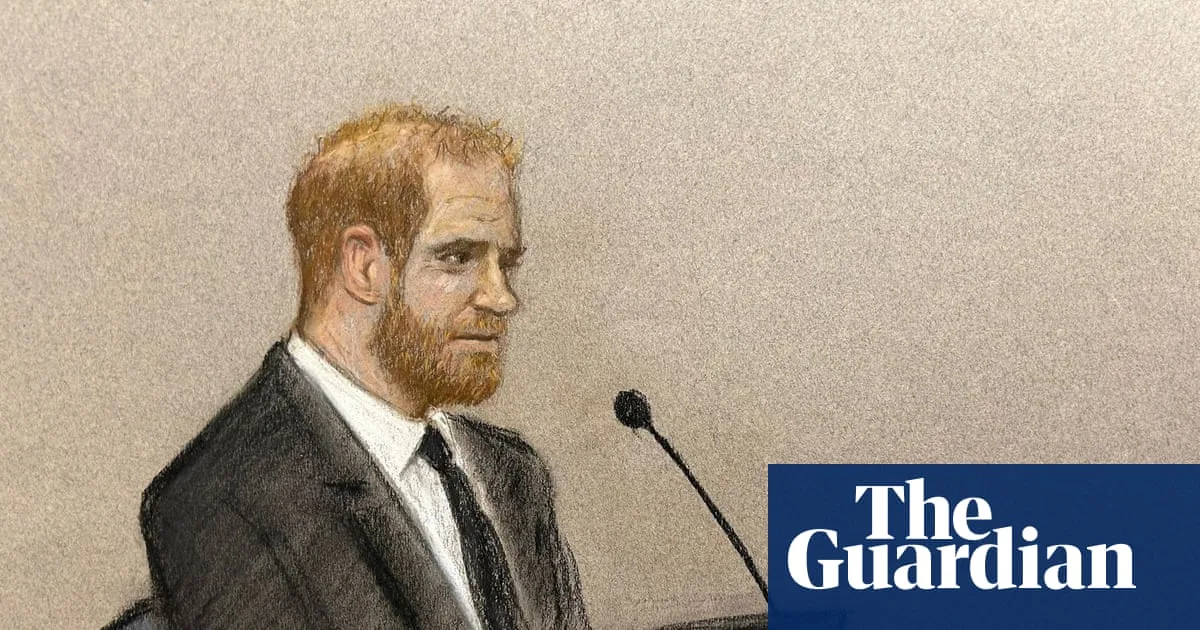
Courtroom artists' sketches rarely aim for flattery, but when the subject is as globally recognisable as Prince Harry, the disparity between representation and reality becomes particularly pronounced. The hastily rendered pastel profile emerging from his High Court testimony presents a stark contrast to the polished images dominating his wife Meghan's meticulously curated Instagram grid.

The artistic interpretation suggests more than mere artistic license – it captures what observers might describe as a "haggard" appearance, with eyes weighed down by what could be interpreted as exhaustion, a forehead etched with deep frown lines suggesting tension, and hair both facial and cranial appearing somewhat unkempt. Most notably, the sketch subtly hints at the beginning of a balding patch, using clever daubs of flesh colour beneath wiry auburn strokes to suggest the thinning that inevitably pursues men of a certain age.

Testimony Tension and Defensive Posturing

Beyond the visual representation, court reporters have documented Harry's demeanour using descriptors including "terse," "tense," and notably "more defensive than the defence." Witnesses describe him as having "prickled" and "bristled" on the stand, while occasionally appearing to "sulk" during proceedings.

The Duke's emotional testimony reached its peak when he broke down while recounting his wife's suffering, describing the "misery" she has endured and labelling the suggestion that he shouldn't be entitled to a private life as "disgusting." He vehemently opposed what he perceives as the commercialisation of his private life and those close to him.

The Privacy Paradox

This stance creates what observers might term a privacy paradox. While Harry rails against media intrusion and commercialisation of his personal life, he and Meghan have simultaneously engaged in numerous high-profile media ventures that have revealed intimate details of their experiences.

These include the 2019 ITV documentary following their African tour, the explosive 2021 Oprah Winfrey interview, the six-part Netflix documentary series forming part of their multi-year deal with the streaming platform, and Harry's bestselling autobiography "Spare," which reportedly earned approximately £16 million. The couple has also conducted numerous personal interviews with major broadcasters including ITV, CBS, and ABC.

Instagram Versus Courtroom Reality

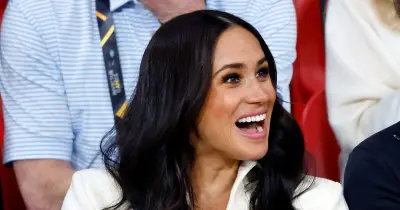
The contrast between Harry's courtroom presentation and the Sussexes' public image extends to Meghan's situation. While Harry describes her enduring "abject suffering" and "misery," her public persona presents glossy, artfully framed snapshots of Californian family life and episodes of her lifestyle show "With Love, Meghan" filmed in what appears to be an idyllic Montecito setting.

This dichotomy highlights the modern phenomenon of "Instagram versus reality" affecting even the most prominent public figures. Just as male pattern baldness represents an unavoidable biological reality for many, the tension between curated public image and unvarnished truth appears equally inescapable for those living under intense media scrutiny.

Legal Battles and Image Wars

Harry's current testimony forms part of his third legal claim against a newspaper group, with the Duke serving as one of seven high-profile claimants accusing Associated Newspapers Limited of "grave breaches of privacy" over a twenty-year period. He has described the experience as simply "horrible."

Regardless of the eventual verdict in this privacy lawsuit, the image problem captured by courtroom artists and documented by court reporters represents a challenge that cannot be overturned by legal judgment. The disconnect between the sun-drenched social media narrative and the tense courtroom reality creates a portrait of modern royalty grappling with the contradictions of public life in the digital age.