With the highly anticipated second season of Netflix's Bridgerton set for release on March 25, language experts and historians have shared insights into the Regency-era slang used in the show. Terms such as 'ton', 'landau', and 'rake' are essential for fans to understand the period drama, which has garnered over 82 million views worldwide since its Christmas Day 2020 debut.
The word 'ton', frequently used in Bridgerton, originates from the French phrase 'le bon ton', meaning good form or etiquette. Dr Hannah Greig, a historian at the University of York and academic consultant to the show, explained that in Regency London, the 'ton' were the celebrities of the day, an exclusive social set combining wealth, status, and charisma. The closest modern equivalent, she said, is the 'it factor'.
Another key term is 'landau', a horse-drawn carriage with a raised driver's seat. According to Taylor Hermerding of language learning platform Babbel, the term comes from the German city of Landau, where such carriages were first made in 1743. The show's characters would not travel in anything less auspicious for fear of public ridicule.

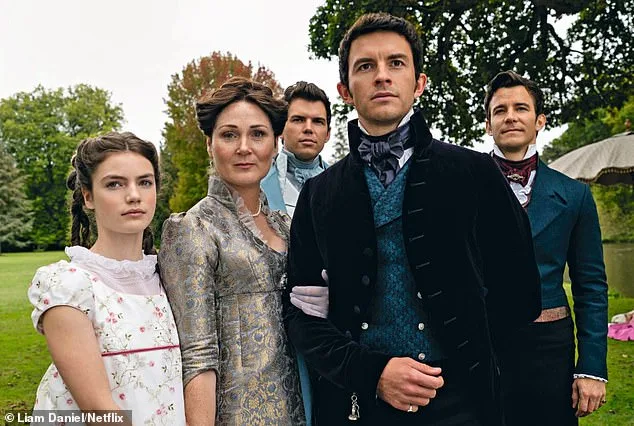
The term 'rake' refers to a rakish, promiscuous man, a character type that features prominently in the series. In season two, protagonist Anthony Bridgerton, played by Jonathan Bailey, sheds his 'rakish party boy' image, as showrunner Chris Van Dusen decided to remove his mutton chops to signal a more serious turn. Anthony's search for a wife leads him into a love triangle with the Sharma sisters, Edwina and Kate.