Intergenerational Appeal of Arthouse Films Booms at Australia's Cinematheques
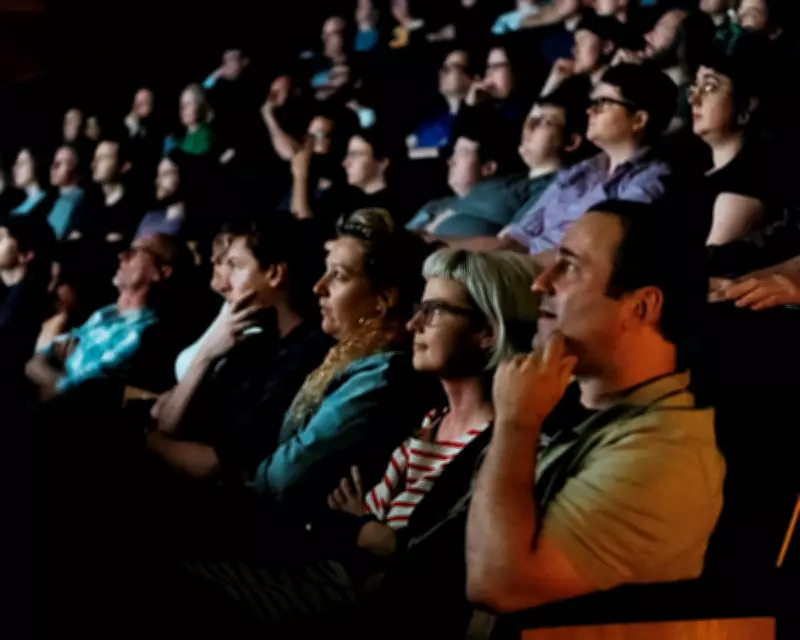
Across Australia, independent arthouse film programs hosted in galleries and cinemas are experiencing a significant surge in popularity, with audiences notably filled with younger viewers and intergenerational families. This trend highlights a growing appreciation for curated cinematic experiences beyond mainstream offerings.
A Resurgence of Cinematic Magic
In late 2025, Brisbane's Gallery of Modern Art programmed Wong Kar-wai's classic film In the Mood for Love at its Australian Cinémathèque, resulting in two sold-out sessions in the 220-seat main cinema. A third session was hastily added on an atypical opening night, nearly reaching capacity with eager attendees.
Amanda Slack-Smith, the curatorial manager of the Australian Cinémathèque, observed that the film attracted diverse communities. "We're seeing a lot of intergenerational families coming in – older parents with their 50-year-old kids, and they're bringing their kids," she noted, emphasising the broad appeal.

The Role of Cinematheques in Modern Cinema
Originating in 1930s Paris to preserve celluloid archives, cinematheques champion movies as an artform. Australia's major cinematheques are situated in cultural institutions:
- The Australian Cinémathèque at Brisbane's Gallery of Modern Art
- Art Gallery of New South Wales's soon-to-launch Sydney Cinémathèque
- Melbourne Cinémathèque at the Australian Centre for the Moving Image
Additional venues include Adelaide's Mercury cinema, Perth's Revival House, and the long-running Hobart Film Society, which has hosted weekly screenings since 1946. These spaces offer retrospective screenings, underseen highlights, and indie discoveries, serving as a vital alternative to Hollywood franchises and endless streaming scrolls.
Curating for Discovery and Engagement
Slack-Smith describes the cinematheque's mission as providing avenues for discovery without overwhelming audiences. "It's not about shoving scholarship down people's throats. It's about us being translators," she explained, likening the curatorial process to an adventurous quest for cinematic gems.
With global box office figures still recovering post-pandemic, commercial theatres often prioritise survival over niche programming. Cinematheques fill this gap by facilitating conversations and contextualising film history, as seen with seasons dedicated to figures like Maggie Cheung, Ryusuke Hamaguchi, and Charles Burnett.
Attracting Younger and Diverse Audiences
Ruby Arrowsmith-Todd, film curator for the upcoming Sydney Cinémathèque, notes that audiences have become "increasingly much younger" and "a lot more diverse" since the Covid-19 pandemic. This shift is partly driven by platforms like Letterboxd, which has 17 million members and fosters a voracious appetite for both classics and off-canon films.
Grace Boschetti, a member and volunteer at Melbourne Cinémathèque, exemplifies this trend. After a transformative experience watching Michelangelo Antonioni's L'Eclisse at university, she now attends repertory screenings approximately four nights a week, favouring them over new releases. "There's just a particular magic about a lot of these films that I don't think I get out of new-release films," she shared.
Preserving Film Heritage and Formats
Cinematheques also play a crucial role in preserving analogue projection techniques, with Sydney Cinémathèque planning training in 35mm and 16mm projection to screen the full spectrum of film history. This contrasts with commercial cinemas, where film screenings are rare events, such as select 70mm sessions of Marty Supreme in Sydney and Melbourne.
When In the Mood for Love screened at Goma in its original 35mm cut, audiences demonstrated keen interest in the authenticity of the format. Slack-Smith highlighted that viewers appreciate the difference between original prints and digital recuts, underscoring a deep-seated curiosity that fuels the success of these institutions.

An Antidote to Digital Abundance
In an era of streaming platforms that often prioritise recent and English-language titles, cinematheques offer a curated antidote to the false sense of abundance. Boschetti remarked, "It's never the ideal way to watch something, at home. Watching something in a cinema is always going to be a better experience."
This sentiment resonates with many attendees who seek meaningful connections through film, making Australia's cinematheques not just venues for viewing, but hubs for cultural enrichment and intergenerational dialogue.