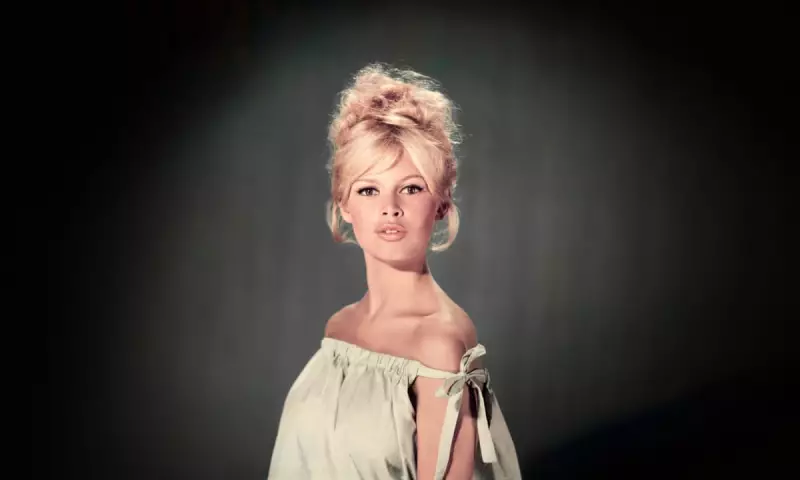
The world of cinema has lost one of its most enduring and iconic figures. The French actor and cultural symbol, Brigitte Bardot, has died. To mark her passing, we take a visual journey through her extraordinary life, from her privileged Parisian childhood to her reign as a global sex symbol and her final decades as a dedicated campaigner for animal welfare.
From Ballet to Bombshell: The Making of an Icon
Brigitte Bardot was born in 1934 into a wealthy Parisian family. Displaying artistic talent from a young age, she was admitted to the prestigious Conservatoire de Paris as a teenager to study ballet. Her path shifted, however, when she appeared on the cover of Elle magazine, leading to her first film role in 1952's comedy Crazy for Love.
Her life changed dramatically in December 1952 when, at just 18 years old, she married film director Roger Vadim. It was Vadim who would later direct her in the film that catapulted her to international stardom and defined her public image. In 1956, And God Created Woman was released, cementing Bardot's 'sex kitten' persona and causing a global sensation.

Throughout the 1950s, her appearances at the Cannes film festival became legendary, described by the media as 'bombshell moments' that captivated photographers and fans alike. During this period, she starred alongside major figures like Kirk Douglas in Act of Love (1953) and was photographed with cultural giants such as Pablo Picasso at the 1956 festival.
A Tumultuous Personal Life and Cinematic Peak
Bardot's personal life often mirrored the drama of her films. After divorcing Roger Vadim in 1957, she married actor Jacques Charrier in 1959. The following year, in 1960, she gave birth to her only child, a son named Nicolas. This marriage also ended, in 1962.
Professionally, she reached new artistic heights in the 1960s. She delivered a acclaimed performance in Jean-Luc Godard's New Wave classic Contempt (1963). In 1965, she starred alongside Jeanne Moreau in the comedy Viva Maria!, a role for which she received a BAFTA nomination for Best Foreign Actress.
Her third marriage was to German photographer Gunter Sachs in 1966. Their arrival at events, such as the 1967 Cannes festival, was routinely swamped by paparazzi. Although they divorced in 1969, they remained friends until his death in 2011. Beyond acting, Bardot also explored music, famously preparing for a TV special with singer Serge Gainsbourg in 1968.
Retirement and Reinvention as an Activist
In a surprising move, Brigitte Bardot retired from acting in 1973 after making the comedy The Edifying and Joyous Story of Colinot. She then dedicated her life to a cause that had always been close to her heart: animal rights. She founded a dog refuge in Paris and became a vocal, if sometimes controversial, animal welfare campaigner.
In 1992, she married her fourth husband, Bernard d'Ormale, who is known for his far-right political associations. Bardot herself faced legal challenges in her later years, being fined on multiple occasions for statements condemned as inciting racial hatred.
Despite the controversies, her early cinematic legacy remains untarnished. Brigitte Bardot was more than an actor; she was a zeitgeist-force, a defining symbol of a liberated post-war Europe, and arguably France's most sensational export. Her journey from the ballet studio to the film set, and finally to the animal sanctuary, marks the life of a truly singular figure.