Gen Z Sparks Cinema Renaissance as Social Media Drives Big Screen Revival
In a surprising cultural shift, younger audiences are rediscovering the magic of cinema, offering a glimmer of hope to an industry facing profound existential challenges. The traditional movie theatre experience, once threatened by the relentless rise of streaming platforms and changing viewing habits, is witnessing a remarkable resurgence among Generation Z.
The Streaming Threat and Industry Anxiety
Film finds itself in a state of deep crisis, grappling with the seismic impact of digital disruption. The landscape is dominated by streaming giants, with Netflix actively bidding to acquire Warner Bros, while the sector continues to recover from pandemic lockdowns and the extensive 2023 Hollywood writers' and actors' strikes. Esteemed figures within the industry voice significant concerns about the future of cinematic art.
Leonardo DiCaprio, whose recent film garnered thirteen Oscar nominations yet failed to achieve commercial success, has openly questioned whether modern audiences retain the appetite for traditional movies. He pondered whether cinemas risk becoming niche venues, akin to jazz bars. Similarly, actor Matt Damon has suggested that filmmaking is being simplified to accommodate evolving, often fragmented, viewing patterns.

The late director David Lynch's former collaborator, Mary Sweeney, reflected that his distinctive artistic vision would struggle in today's Hollywood, citing "the dissipation of our concentration and the way the digital world has permeated people's lives." These anxieties underscore a broader fear regarding dwindling audience attention spans in the digital age.
Practical Challenges: Length, Logistics, and Local Closures
Compounding these artistic concerns are severe practical and financial pressures. Clare Binns, creative director of Picturehouse Cinemas and this year's BAFTA award recipient for outstanding British contribution to cinema, has criticised the trend towards excessively long films. Recent releases like The Brutalist, clocking in at three hours and thirty-five minutes, and Avatar: Fire and Ash, exceeding three hours, present logistical nightmares.
These protracted run times limit theatres to a single showing per evening, directly impacting profitability. This issue is particularly acute for independent cinemas across the United Kingdom, many of which are fighting for survival. Alarmingly, almost one third of these cherished local venues face potential closure within the next three to five years without urgent investment. Ms Binns has warned it would be a profound "tragedy" if community cinemas were to vanish.
A New Generation of Cinephiles Emerges
Despite these daunting challenges, compelling evidence points to a cinematic revival led by younger viewers. A British Council survey reveals that Generation Z finds film and television nearly twice as influential as digital creators in shaping contemporary UK culture. Meanwhile, a US trade report documented a substantial twenty-five percent increase in cinema attendance among American youth last year.
Financial data supports this trend, with UK and Irish box-office revenue for 2025 reaching £1.07 billion, marking the highest figure since 2019. Ironically, the very force often blamed for shortening attention spans—social media—is now fuelling this return. Viral cinematic moments from films like Saltburn and the booming popularity of the film enthusiasts' platform Letterboxd are creating a new, socially-driven cinephilia.
The Irreplaceable Cinema Experience
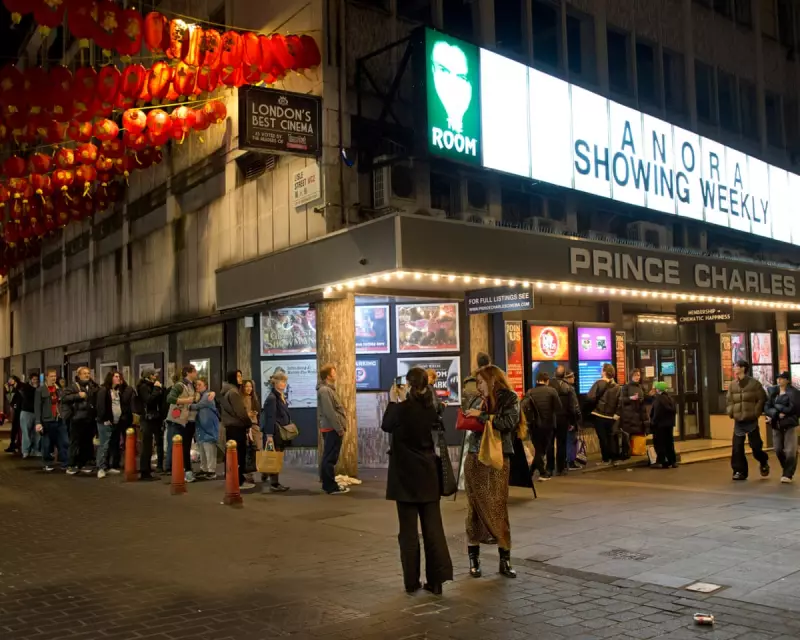
The passionate public outcry over the threatened closure of London's iconic Prince Charles cinema demonstrated that these venues represent far more than mere screening rooms. Whether an intimate art-house theatre or a vast multiplex, the cinema remains a uniquely magical space where shared stories unfold in darkness. The experience of "Netflix and chill" simply cannot replicate the romance and communal power of a night at the movies.

Legendary director Martin Scorsese, defending his three-hour-twenty-six-minute epic Killers of the Flower Moon, implored audiences to "give cinema some respect." His warning is clear: a passive diet of algorithm-driven content consumed at home while scrolling on phones risks creating a cultural equivalent of ultra-processed food—films full of empty calories, sugary narrative rushes, and lifeless exposition. The message is a call to action: we must leave our sofas.
A Future Forged by New Cine-Love
Thirty years ago, in her essay The Decay of Cinema, Susan Sontag lamented television's impact on film as an art form, writing of an "ignominious, irreversible decline." Today, the threat is streaming, but her concluding insight remains prescient. She argued that cinema's resurrection would depend on "the birth of a new kind of cine-love."
This new love is now visibly flowering. A generation raised on digital platforms is discovering the unparalleled joy of the big screen, driven by community, shared experience, and social media buzz. While significant hurdles remain, from corporate consolidation to local venue closures, this burgeoning movement suggests that a new wave of dedicated cinephiles may yet save the cinematic art from the dominance of streaming giants, ensuring the lights stay on in theatres for years to come.