Hitchcock's Silent Masterpiece Reimagined for the Smartphone Era
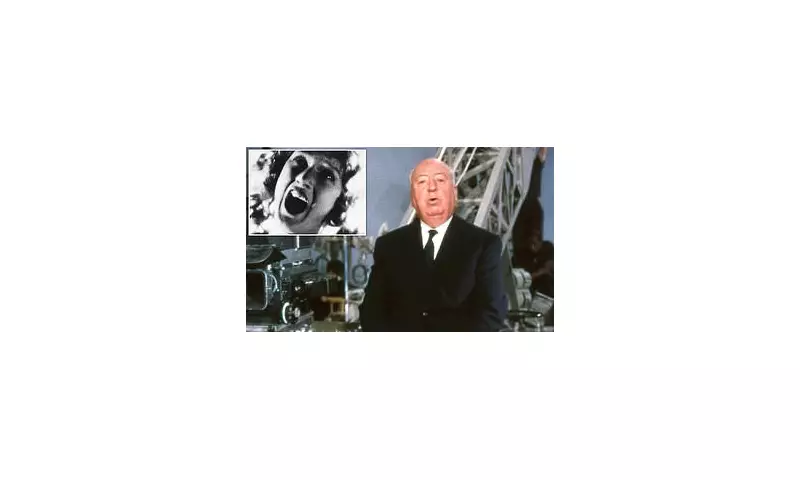
The film world is currently embroiled in a heated debate following the revelation that one of Alfred Hitchcock's most seminal works has been radically repurposed for contemporary mobile consumption. According to industry reports, Hitchcock's groundbreaking 1927 thriller The Lodger: A Story of the London Fog has been meticulously transformed into a vertical 'microdrama' series, specifically tailored for viewing on smartphones via the British streaming platform Tattle TV.
What Exactly Are Microdramas?
Microdramas represent a burgeoning format within the digital entertainment landscape. These are ultra-short, two-minute episodes that form part of a larger narrative series, filmed entirely in a vertical aspect ratio to optimise the mobile viewing experience. The format is explicitly designed to captivate audiences with increasingly fragmented attention spans, who may find traditional feature-length films or standard television episodes too demanding of their time.
To adapt The Lodger, Tattle TV has deconstructed the original 90-minute silent, black-and-white film into dozens of bite-sized reels. The company has stated this pioneering project utilises cutting-edge artificial intelligence tools to reframe and reformat the cinematic classic, marking one of the first known instances where a revered feature film has been entirely reconceived for vertical, mobile-first audiences.

A Wave of Purist Backlash
While undeniably innovative from a technological standpoint, this radical reinterpretation has provoked significant outrage among cinephiles and film traditionalists. Many view the conversion as a form of cultural butchery, disrespecting the artistic integrity of Hitchcock's early work.
The reaction on social media and film forums has been scathing. One commentator lamented, 'If you can't sit down and watch a 90 minute movie I feel sorry for you.' Another described the development as 'so incredibly bleak,' while a third offered a more analytical critique: 'Reframing Hitchcock into a microdrama sounds less like innovation and more like we’ve officially lost our collective attention span.' This sentiment underscores a broader cultural anxiety about the erosion of sustained focus and the commodification of classic art for quick consumption.
The Enduring Legacy of 'The Lodger'
Understanding the controversy requires appreciating the film's monumental status. Released in 1927, The Lodger was Hitchcock's first foray into the thriller genre and is widely credited with establishing his directorial reputation. The plot, which follows the hunt for a Jack the Ripper-esque serial killer in London and a couple who suspect their new lodger is the murderer, was a major critical and commercial triumph.
Upon its release, the British trade journal Bioscope hailed it as 'the finest British production ever made.' The film's influence was so profound that Hitchcock himself contemplated directing a colour remake in 1942 after moving to the United States. It is frequently cited as one of his finest works, introducing many of the thematic preoccupations and visual motifs that would define his legendary career, paving the way for masterpieces like Psycho, Vertigo, and Rear Window.
The Lucrative Rise of Vertical Streaming
This adaptation is not an isolated experiment but part of a seismic shift in global media consumption. Microdramas, particularly vertical dramas designed for phones, have exploded in popularity, with China leading the market—a sector reportedly worth a staggering $7 billion in 2024.
The business model driving this growth is highly effective. It operates on a 'freemium' structure: the initial episodes are distributed freely on social media platforms to hook viewers, who must then pay to access the remainder of the series. These addictive serials often bear sensational titles like Dominated by My Dad’s Boss or Secret Surrogate to the Mafia King to maximise click-through rates.

Their success is undeniable. Recent analyses indicate that vertical streaming apps are now outperforming established giants like Netflix, Hulu, and Paramount+ in terms of user growth. As one dedicated fan explained to The Washington Post, the appeal lies in effortless escapism: 'After a long day at work, you don’t want to think about anything. We’re watching them to kind of escape everything else in life.'
The transformation of Hitchcock's The Lodger sits at the contentious crossroads of this new entertainment economy, forcing a confrontation between preserving cinematic heritage and adapting to the relentless pace of digital innovation.