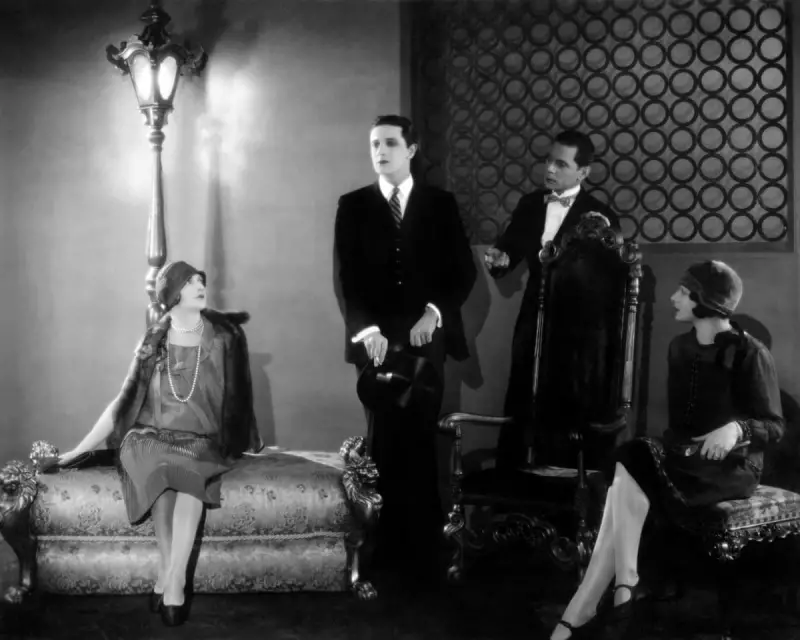
In a bold move that has ignited passionate discussion among cinephiles, Alfred Hitchcock's seminal 1927 silent thriller The Lodger: A Story of the London Fog has been radically transformed. The classic film has been reframed into a vertical microdrama specifically designed for mobile phone screens, challenging traditional viewing conventions and raising questions about the future of cinematic preservation.
A New Format for a Silent Era Masterpiece
The Tattle TV app has announced it will stream the serial killer drama in this innovative vertical format, describing the project as "one of the first known instances of a classic feature film being fully reframed for vertical, mobile-first consumption." This adaptation involves converting the film's original squarish 4:3 aspect ratio to fit the vertical orientation of modern smartphones, inevitably resulting in either cropping or extending the original frame.
This technological intervention means viewers will often encounter significant portions of the original image missing, fundamentally altering Hitchcock's carefully composed visual language. The director famously told François Truffaut that in The Lodger, he presented "ideas in purely visual terms," making the preservation of his framing particularly crucial to understanding his artistic vision.

Preservation Versus Innovation Debate
The announcement has predictably divided opinion within the film community. On one side stand those who view archive cinema as content ripe for re-appropriation in new formats, while traditionalists argue that such adaptations compromise artistic integrity. Hitchcock himself was no stranger to technological adaptation, having directed Britain's first talkie, Blackmail in 1929, and embracing television later in his career.
However, as film historian Pamela Hutchinson notes, Hitchcock understood that new technology required genuinely new techniques, not simply squeezing existing work into different formats. The differences between the silent and sound versions of Blackmail demonstrate his thoughtful approach to technological transition.
Practical Implications of the Vertical Format
In its "microdrama" incarnation, The Lodger's original 90-minute runtime has been divided into chapters, with the first segments available free before requiring payment for the complete experience. This approach directly contradicts Hitchcock's own philosophy about film length, which he famously linked to "the endurance of the human bladder," suggesting most audiences could comfortably engage with feature-length narratives.
Tattle TV defends the project as an effort to "introduce iconic cinema to a whole new generation of viewers, bridging the gap between film history and contemporary mobile audiences." Yet critics question whether simply reframing classics represents genuine accessibility or merely repackaging existing content without meaningful adaptation.
Alternative Approaches to Cinematic Heritage
What makes this adaptation particularly curious is the abundance of existing ways to experience The Lodger in formats that respect its original composition. The film remains available on disc, through various streaming platforms, and regularly screens in cinemas with live musical accompaniment—the format Hitchcock originally intended.
As Hutchinson suggests, if the goal is truly to bridge historical and contemporary audiences, perhaps remaking rather than simply reframing early British cinema classics would prove more effective. Short films like G.A. Smith's 1903 trick film Mary Jane's Mishap or The Big Swallow were originally designed for brief viewing experiences and might translate more naturally to modern short-form platforms.
Broader Cultural Context
This development arrives amidst revealing research about contemporary media consumption. A University of Sussex study found that scrolling social media represents "the activity that brings us least joy," while British Council research discovered young people rate traditional film and television as far more influential than digital content.

Paradoxically, social media platforms like Letterboxd have been credited with encouraging Generation Z back to cinema theaters, suggesting that digital engagement can sometimes enhance rather than replace traditional cinematic experiences. By transforming The Lodger into what Hutchinson describes as "digital Ozempic"—slimmed down to TikTok proportions—Tattle TV may inadvertently remind audiences why they should experience cinematic masterpieces on screens large enough to do them justice.
As this vertical adaptation becomes available to American viewers (though not in the UK or EU due to rights restrictions), it prompts broader questions about how we preserve, present, and reinterpret cinematic heritage in an increasingly mobile-first world. Whether this represents innovative accessibility or digital sacrilege remains a matter of passionate debate among film enthusiasts and preservationists alike.