Hollywood's Trump 2.0 Conundrum: When Political Thrillers Miss the Mark
As the spectre of a potential second Trump administration looms over American politics, Hollywood finds itself grappling with a peculiar challenge: how to dramatise the slow, bureaucratic erosion of democracy that characterises much of the contemporary threat. The latest attempt, Netflix's new thriller Anniversary, highlights this struggle, offering a flashy but ultimately shallow take on right-wing takeover that prioritises spectacle over substance.
The Problem with Portraying Political Reality
We know from both history and current events that autocracy represents a profound danger to democratic institutions. Yet the most insidious threats often manifest not through dramatic confrontations, but through quiet, administrative actions that gradually undermine the electoral process. Consider the Heritage Foundation's 900-page Project 2025 manifesto, now gaining traction in Washington, or the potential for federal agencies to interfere with voting records in key battleground states like Georgia.
These developments lack the cinematic appeal of firefights and explosions, yet they represent the genuine mechanisms through which democratic norms can be dismantled. Anniversary, like many contemporary political thrillers, struggles to animate this "quiet part" of America's political reality, instead opting for more conventional thriller tropes.

Netflix's Anniversary: Style Over Substance
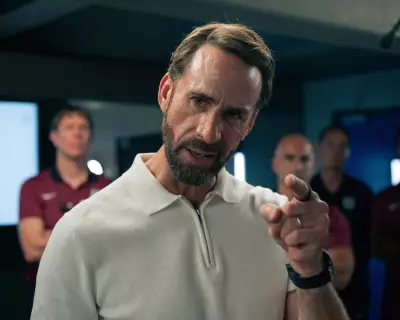
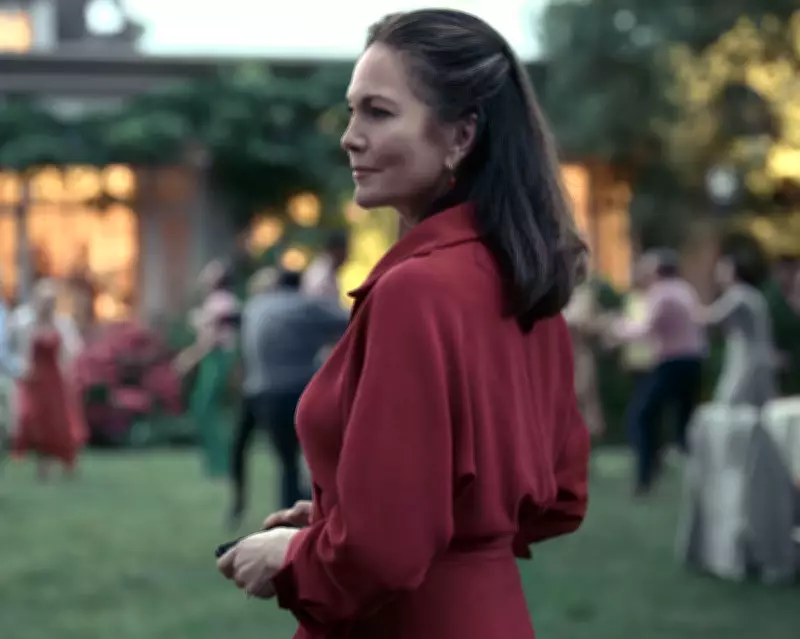
Launched this week on Netflix, Anniversary presents a United States where a charismatic young woman convinces the nation to abandon democracy through the unlikely medium of a bestselling book of essays. The film's first half shows promise, with Diane Lane delivering a compelling performance as a Georgetown University political scientist attempting to maintain both family harmony and reasoned political discourse amidst growing extremism.
The film cleverly depicts an Orwellian assault on democratic language, where concepts of plurality and debate are reframed as threats to "togetherness" and "unity." This linguistic manipulation feels particularly credible in today's polarised political landscape. Yet Anniversary ultimately lacks patience for the detailed mechanics of democratic collapse, instead leaping to scenes of paramilitary chases and drone surveillance that feel disconnected from the bureaucratic reality they're meant to represent.
Comparative Failures in Political Storytelling
This failure of imagination extends beyond Anniversary. Consider Alex Garland's 2024 film Civil War, which imagines a United States where three states have seceded against a president serving an illegal third term. While the film contains striking imagery and memorable sequences, its apolitical approach feels like a significant evasion, particularly when viewed against the backdrop of real-world events like the January 6th hearings.
The contrast with more successful political storytelling is telling. Hulu's adaptation of The Handmaid's Tale demonstrates how meticulous attention to bureaucratic detail can create genuinely terrifying dystopian fiction. Margaret Atwood's source material carefully traces the incremental steps through which democratic institutions can be dismantled, creating a far more compelling and frightening vision than any explosion-filled thriller.
A Glimmer of Hope in Political Cinema
Not all recent political films fall into this trap. Paul Thomas Anderson's Oscar-nominated One Battle After Another presents a different approach, depicting not a future dystopia but a brutal reflection of contemporary America's military establishment and border policies. Sean Penn's performance as the psychopathic Colonel Steven J Lockjaw feels particularly prescient, anticipating real-world figures while avoiding simplistic thriller conventions.
What makes One Battle After Another effective is its willingness to engage directly with America's present political reality rather than projecting fears into an imagined future. By reflecting the seriousness of current situations, the film makes future authoritarian scenarios feel more tangible and immediate.

The Changing Landscape of Political Fear
Interestingly, despite its flaws, Civil War has gained disturbing resonance since its initial release. What once felt like an implausible fantasy now seems uncomfortably close to possibility as America's political landscape continues to shift. The film's depiction of a country tearing itself apart, while lacking in political specifics, now carries an emotional weight that transcends its narrative shortcomings.
This evolution highlights Hollywood's fundamental challenge: political reality is evolving faster than fictional representations can keep pace. The quiet bureaucratic threats that seemed abstract just years ago have become tangible realities, yet cinematic representations continue to favour explosive action over the more mundane mechanisms of democratic erosion.
As audiences and creators alike grapple with America's political future, the demand for more nuanced political storytelling will likely grow. The success of future political thrillers may depend less on their ability to imagine spectacular collapses, and more on their willingness to engage with the tedious, bureaucratic realities that genuinely threaten democratic institutions.