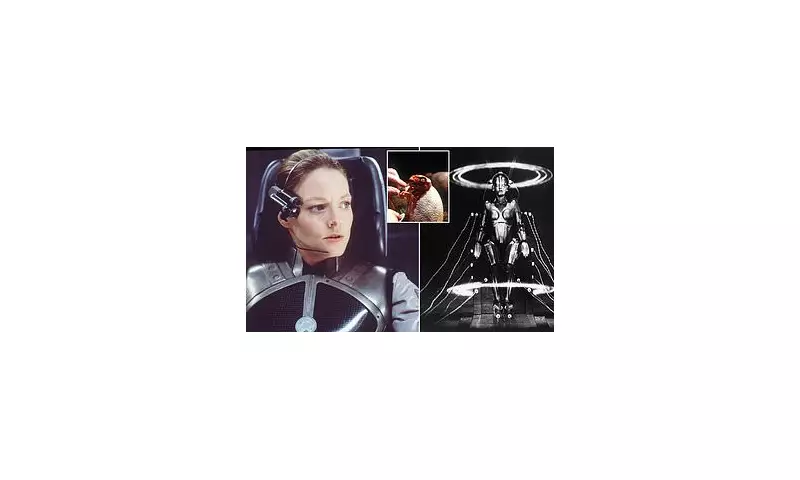
In a fascinating revelation, NASA has compiled a surprising list of movies it considers among the most scientifically accurate ever produced. The selection spans nearly a century of cinematic history, from silent-era masterpieces to contemporary blockbusters, with each film earning praise for its commitment to authentic scientific principles rather than relying on pure fantasy.
What Defines Scientific Accuracy in Film?
According to NASA and affiliated scientists, accuracy in these contexts is not about perfect future predictions but about realistic portrayals of science, scientists, and technology. The agency emphasises that these films take science seriously, showcasing careful experimentation, healthy skepticism, and genuine problem-solving processes instead of resorting to magical solutions.
Groundbreaking Genetic Exploration
Gattaca (1997) stands out for its grounded treatment of genetics and DNA-based discrimination. Set in a future society divided between genetically engineered "Valids" and naturally born "In-Valids," the film follows Vincent Freeman, played by Ethan Hawke, as he assumes a Valid's identity to pursue his dream of space travel. While the technology remains speculative, NASA praises how accurately the film reflects genetic testing mechanisms and raises plausible ethical concerns about gene selection, privacy, and human enhancement that scientists continue to debate today.

Realistic Space Exploration Portrayals
Contact (1997), featuring Jodie Foster as a radio astronomer who detects an alien signal, is frequently cited as one of the most scientifically accurate space films ever made. Based on astronomer Carl Sagan's novel, NASA highlights its realistic depiction of radio astronomy and SETI research, scientific skepticism and peer review processes, and the political and funding challenges behind major space projects.
The Day the Earth Stood Still (1951) presents an alien visitor delivering an ultimatum about humanity's violent tendencies and nuclear weapons. NASA notes the film's serious treatment of extraterrestrial contact, portraying advanced but logical beings and emphasising science, diplomacy, and global consequences over fantasy-driven invasion narratives.
Early Visionary Works
Remarkably, early science-fiction films made NASA's list for their forward-thinking approaches. Metropolis (1927), the German expressionist silent film, examines automation, artificial intelligence, and the dangers of unchecked technological power in a divided futuristic city. Despite its age, NASA praises how accurately it anticipated ethical concerns surrounding machines replacing human labour.
Woman in the Moon (1929), another German silent film about a lunar expedition driven by gold prospecting, features pioneering depictions of rocket launches, space travel, and weightlessness decades before actual lunar missions occurred.
Scientific Principles in Action
The Thing from Another World (1951) demonstrates scientific reasoning and experimentation as scientists and military personnel in the Arctic must understand and combat a thawed alien life form. The film emphasises reliance on scientific methodology rather than sensationalism.
Jurassic Park (1993), Steven Spielberg's groundbreaking adventure about cloned dinosaurs running amok, earns recognition for its accurate explanations of DNA, genetics, and chaos theory. NASA scientists note how correctly the film illustrates how small variables can lead to catastrophic outcomes in complex systems, a genuine scientific principle.
Enduring Scientific Legacy
Collectively, NASA's list highlights how some of Hollywood's most enduring science-fiction stories were built upon ideas that remain scientifically sound decades after their release. These films demonstrate that compelling storytelling can coexist with scientific integrity, exploring societal and ethical consequences of advanced technology while maintaining respect for genuine scientific principles.
The selection serves as both an educational resource and a celebration of cinema that takes science seriously, proving that accurate scientific portrayal can enhance rather than diminish narrative power and cultural impact.