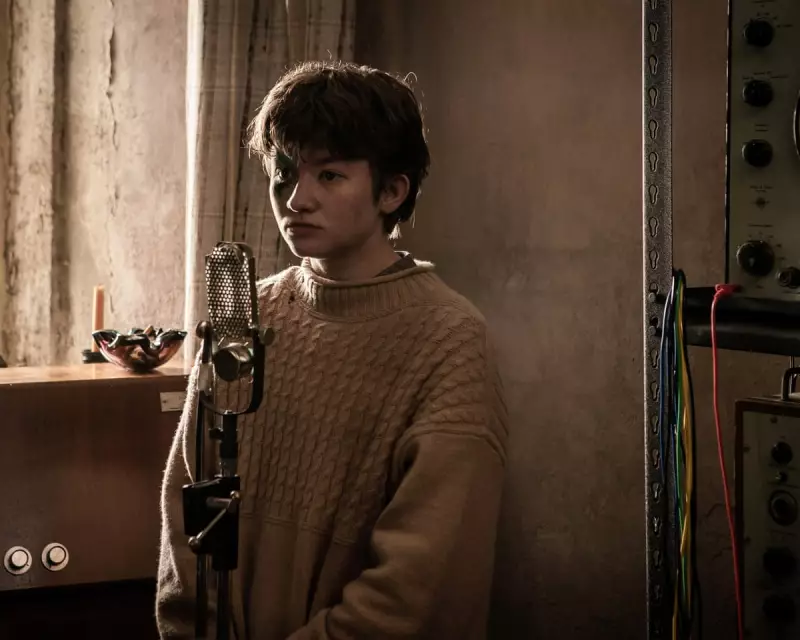
One performer to watch out for in the upcoming cinematic release is undoubtedly Jade Croot in the atmospheric folk-horror drama Rabbit Trap. This feature debut from director Bryn Chainey immerses audiences in the remote Welsh countryside of the 1970s, weaving a tale of eerie magic and unsettling transformation.
A Folk-Horror Thicket Steeped in 70s Authenticity
There exists a compelling oscillation of weirdness throughout Rabbit Trap, which plunges viewers deep into traditional folk-horror territory. Chainey crafts a fervently atmospheric and intriguingly acted drama, though some may find its narrative direction ultimately softens into mood and vibe. The film shares stylistic DNA with recent works like Daniel Kokotajlo's Starve Acre and Mark Jenkin's Enys Men, particularly in its commitment to ambient sound design and atavistic authenticity.
Period Details and Musical Backdrop
The 1970s stylings are rendered with meticulous care, from the woollen garments to the analogue recording equipment that features prominently. Dev Patel and Rosy McEwen portray Darcy and Daphne, an English couple embedded in the music scene. Daphne is a folk singer whose previous album was titled Mono Moon, and they venture to the remote Welsh countryside to work on her new material.

Their journey echoes the real-life experiences of bands like Led Zeppelin, who recorded in primitive Welsh cottages during the early 1970s—a scenario that seems ripe for folk-horror treatment. They rent a cottage with windows that seem to invite unseen observers, a detail that enhances the growing sense of unease.
The Eerie Presence of a Feral Child
While the premise of musicians recording in isolation may not surprise, the film introduces a startlingly memorable element in the form of a young local. Jade Croot delivers a rather brilliant performance as a smudgy-faced, jumper-wearing feral Welsh child whose age seems ambiguous, potentially ranging from nine to fifty-four.
This mysterious child befriends yet simultaneously menaces the English couple, telling uneasy Darcy about the Tylwyth Teg fairy folk and revealing a rabbit trap where captured bunnies undergo disturbing transformations into fetish sacrifices. Darcy, who serves as Daphne's producer and sound engineer, initially records natural sounds like birdsong and rainwater for the album, but begins picking up strange thrumming from what seems like a shroomy netherworld.
Transformation and Unspoken Loss
As the child becomes increasingly integrated into their lives, the couple experience an obscure transformation themselves. Their entire ordeal appears to gesture toward unspoken feelings of loss, adding psychological depth to the supernatural elements. One particularly striking scene shows the child apparently burning the gorse surrounding their cottage, leaving viewers to wonder whether this contains a deliberate allusion to Welsh nationalist protest or remains purely symbolic.
Controlled Composition with Narrative Drift
Rabbit Trap demonstrates impressive control and composition throughout, maintaining an eerie atmosphere that lingers long after viewing. However, the clear contours of storytelling do eventually soften into what some might describe as the indistinct fuzz of mood and ambiance. While the film may lose some narrative focus in its final act, it never diminishes the impact of Croot's genuinely scary performance, which anchors the production with unsettling authenticity.
The film represents a promising debut for Chainey, showcasing his ability to create palpable tension and period authenticity, even as the plot meanders into more ambiguous territory. For audiences seeking atmospheric horror with strong performances and 1970s aesthetic commitment, Rabbit Trap offers a distinctive cinematic experience.
Rabbit Trap arrives in UK and Irish cinemas from 30 January, inviting viewers to experience its eerie magic and folk-horror sensibilities firsthand.